(3)
Spend more to get free priority shipping
Great. You will get complimentary priority shipping for free.
Previous registration has been removed from the cart as only one animal registration is allowed at a one time.

Spend more to get free priority shipping
Great. You will get complimentary priority shipping for free.
Previous registration has been removed from the cart as only one animal registration is allowed at a one time.
Please note that there is no unified Assistant Animal database registration in the USA.
You cannot verify information from other registrars on the esa-cert.com website

Airbnb hosts must accept service animals without extra fees, and most restrictions cannot override ADA requirements. Clear communication and proper ID help avoid misunderstandings and support smoother check-ins.


Under Airbnb’s service animal policy, hosts must accept a guest’s service animal even when the listing says no pets, and they cannot charge pet fees or cleaning fees for animal hair because of it. Emotional support animals (ESAs) get the same treatment only in certain places, such as homes in California and New York; elsewhere a host may apply normal pet rules and pet fees.
These rules come from Airbnb’s own Accessibility Policy, not mainly from federal law. The ADA reaches only some lodging, and the Fair Housing Act rarely covers a vacation stay, so for most Airbnb bookings the platform’s policy is the rulebook that matters day to day.
Below you’ll find what the policy says, what hosts may ask, how fees and damage work, where the law fits in, a guest vs host table, a pre-booking checklist and the steps to report a host.
Airbnb’s rules for service animals sit in its Accessibility Policy in the Help Center. In short, a guest can generally bring a service animal to a home stay even when pets are banned, because Airbnb does not treat a service animal as a pet.
For a home reservation with a service animal, the policy says hosts are not allowed to refuse the booking (unless Airbnb has granted an exemption), charge extra fees or treat the guest differently, for example with different house rules. Among the things a host may not do because of a guest’s service animal, the policy lists:
Charge the guest additional fees related to the reservation, such as pet fees or cleaning fees for animal hair or dander.
Source: Airbnb Help Center, Accessibility Policy.
Airbnb’s Nondiscrimination Policy backs this up: it bans charging guests with disabilities more fees, including pet fees when the guest has a service animal. Experiences and services have their own version of the rule. A host there must accommodate a request to bring a service animal unless that would break the law, is outside the host’s control or is unreasonable in the circumstances.
Airbnb describes a service animal as generally a dog individually trained to do work or perform tasks for a person with a disability. Guiding a guest who is blind, alerting a guest who is deaf to sounds, or responding to a seizure are typical examples. A psychiatric service dog trained to perform a task, such as interrupting a panic episode, also counts. An animal whose role is comfort alone is an emotional support animal, not a service animal.
Not before booking. Airbnb says guests do not need to disclose a service animal before booking, but they can choose to mention it before check-in to avoid confusion. A short message a day or two ahead usually makes arrival smoother.
ESAs are different outside the covered places. There, an ESA falls under the listing’s pet rules, and Airbnb’s ground rules for guests ask guests not to bring pets where house rules say no pets and to tell the host about any pets they bring. In California and New York homes, hosts may not require you to disclose an ESA before booking.
An ESA gets service-animal treatment on Airbnb only where the policy or local law requires it. Everywhere else, hosts may charge their normal pet fees or pet-hair cleaning fees for an ESA, or turn it away under a no-pets rule.
The Accessibility Policy requires hosts in California and New York to accommodate ESAs for home reservations, and hosts in Quebec and Ontario to accommodate them for all reservations. In those places a host may not refuse the booking, charge extra fees, treat the guest differently, require disclosure before booking or treat the ESA as a pet. Airbnb says ESAs do not need task training and are generally common household animals such as dogs or cats.
Both kinds of animal must follow the same conduct rules, covered below. For a fuller picture of how the two roles differ outside Airbnb, see our guide to service dogs vs emotional support animals.
A host may ask only two questions about your animal: do you require the animal because of a disability, and what work or task has it been trained to perform. The same two questions apply to service animals and ESAs.
The policy adds two limits. A host may not ask you to describe your disability, and may not ask the dog to demonstrate its task. Documents are off the table too:
Guests are not required to provide documentation that shows their dog is a Service Animal or Emotional Support Animal and hosts should not ask for or require such documentation from guests.
Source: Airbnb Help Center, Accessibility Policy.
Your answers decide which rules apply. Under the policy:
A host may repeat the questions. If you still don’t answer, the host may treat the silence as a “no”, so a calm, short reply is in your interest. Naming the task is enough; you never need to explain your diagnosis.
For a service animal, Airbnb bans pet fees and cleaning fees for animal hair or dander. Real damage is a separate question: the Accessibility Policy forbids extra fees, but it does not say a guest is excused from paying for something the animal breaks.
Airbnb’s host damage protection lets a host ask any guest to pay for damage, and it lists pet damage such as accidents or chewed furniture among its examples. The host files a reimbursement request in the Resolution Center within 14 days of the guest’s checkout, with photos, estimates or receipts. The guest has 24 hours to respond, and if the guest declines or doesn’t answer, the host can ask Airbnb Support to review the claim. Airbnb notes that host damage protection is not insurance.
The ADA takes a similar line where it applies. ADA.gov explains that a business that normally charges guests for damage may charge a person with a service animal for damage the animal causes, but cannot charge a pet deposit or fee. Normal shedding is not damage, and a host who adds a “dog hair” charge to a service animal stay is breaking Airbnb’s rule.
For ESAs outside the covered places, normal pet fees and pet-hair cleaning fees may apply, so check the listing’s fees and house rules before you book.
Only in narrow cases. A host can refuse a service animal in a home only if Airbnb has granted that listing an exemption, and a guest who breaks the animal conduct rules can face action from Airbnb.
Airbnb may, at its discretion and in certain circumstances, grant a host an exemption from the policy. The example it gives is a service animal that would be a direct threat to the health of a host who lives in the listing. Exemptions apply to a specific listing, not the whole account, and the host has to contact Airbnb and give the reasons in advance. A host cannot invent an exemption at check-in.
Airbnb’s policy does not mention allergies. A host who lives in the home and has a serious allergy would need to raise it with Airbnb through the exemption process; whether it qualifies is Airbnb’s call. For businesses the ADA covers, ADA.gov says allergies and fear of dogs are not valid reasons to deny access.
Airbnb sets basic rules for both service animals and ESAs. The animal must not be:
Airbnb says it may take steps up to and including removing a host or guest from the platform for not complying with its policies. Planning around the “not left alone” rule matters most: if you expect to go somewhere without your dog, ask the host for approval in writing first. Our service animal etiquette guide covers the everyday habits that keep stays trouble-free.
For most Airbnb stays, Airbnb’s own policy gives you more than federal law does. The ADA covers hotels and inns but not most private homes, and the Fair Housing Act is about housing people live in, not vacations.
Title III of the ADA applies to places of public accommodation, which include an inn, hotel, motel or other place of lodging. The statute leaves out a small owner-occupied establishment: a building with five or fewer rooms for rent where the owner actually lives. The Justice Department’s rules also count other short-stay lodging that runs like a hotel, with features such as reservation services, rooms available to walk-in or phone-in guests and housekeeping or linen service.
In practice, a whole house or apartment rented now and then by a private owner usually falls outside the ADA, while a boutique hotel, a larger inn or a hotel-style operation listed on Airbnb may be covered. Where the ADA applies, the same two questions and the out-of-control and housebreaking limits apply. Our guide to service dog requirements under the ADA explains those rules in detail. ESAs have no ADA rights in any of these places.
The FHA protects people in “dwellings”, which the statute defines as buildings occupied, or designed or intended for occupancy, as a residence. A few nights in a vacation rental usually does not fit that description, so the FHA rarely applies to Airbnb stays. Long stays of a month or more are a grayer area; if you are renting a place to live in, get local legal advice rather than relying on Airbnb’s policy alone.
States and cities can add their own disability protections, and Airbnb tells hosts to accept ESAs wherever applicable law requires it. Laws vary, so if a stay matters a lot, check the state’s civil rights agency as well as Airbnb’s policy. Hotels follow a different set of rules than home rentals; our article on emotional support animals in hotels covers that side.
The table sums up Airbnb’s policy for a home reservation with a service animal. ESA stays follow the same rules in California, New York, Quebec and Ontario; elsewhere, ESAs fall under normal pet rules.
| Topic | Guest with a service animal | Host |
|---|---|---|
| Booking | Can book a no-pets listing | Cannot refuse unless Airbnb granted the listing an exemption |
| Telling the host | No disclosure needed before booking; a heads-up before check-in is optional | Cannot require disclosure before booking |
| Questions | Answers the two questions; does not have to describe the disability | May ask only the two questions, and may repeat them |
| Documents | Not required to provide any | Should not ask for or require documentation |
| Demonstration | Never has to show the task | May not ask the dog to demonstrate |
| Fees | Pays the normal price only | No pet fees, no hair or dander cleaning fees, no different house rules |
| Damage | Can be asked to pay for real damage, like any guest | Can file a Resolution Center request within 14 days of checkout |
| Conduct | Keeps the animal under control, housebroken, leashed in shared spaces, out of off-limits areas, not left alone without approval | Can mark areas off-limits and report rule breaks to Airbnb |
| Disputes | Can report the host to Airbnb | Can be warned, suspended or removed for violations |
A few minutes of prep before you book prevents most problems at the door. Work through this list for each stay:
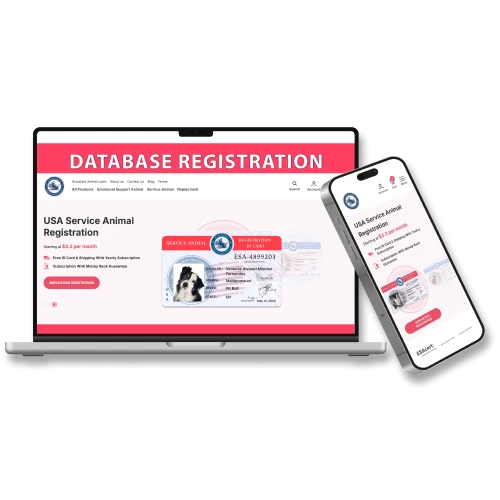
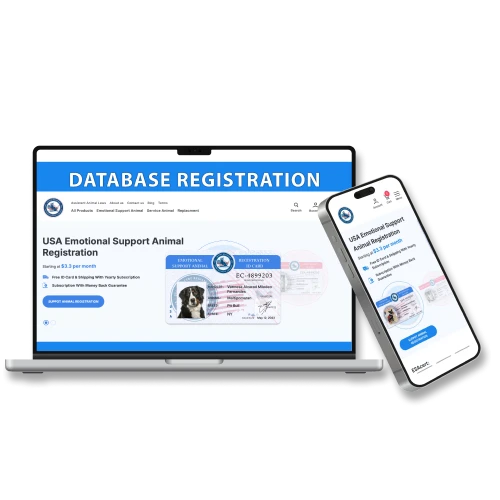
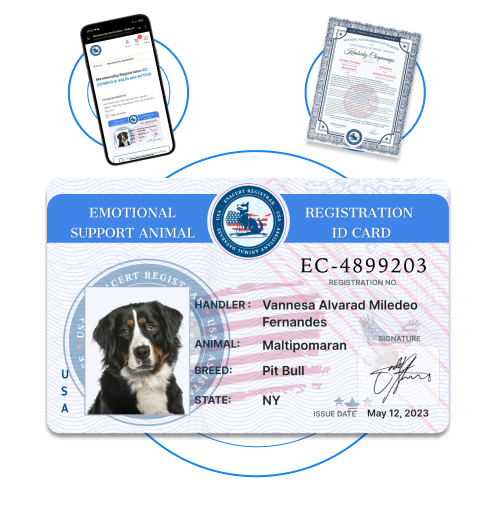
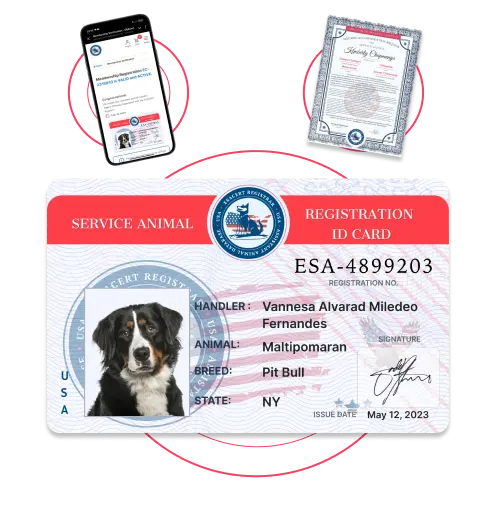
Some handlers also like to carry a service animal ID card with the dog’s name, photo and their contact details. It’s a voluntary convenience, not something Airbnb or the ADA asks for, and it doesn’t change the two-question rule; a host still should not request it. Its value is practical, such as having your details on hand if building staff or a neighbor asks who the dog belongs to.
If a host refuses your service animal, charges a pet fee for it or demands documents, report it to Airbnb as discrimination. Airbnb’s help article on how to report discrimination gives three ways to do it:
Give specific details and identify the person you believe broke the Nondiscrimination Policy. Screenshots of the host’s messages and the listing’s fees help. If you feel unsafe or need urgent help during a trip, Airbnb points guests to its 24-hour safety line instead.
Airbnb says it investigates reports and may educate users, issue warnings or suspend or remove listings and accounts. Its Nondiscrimination Policy also says guests denied a booking can get hands-on help finding another place to stay under its Open Doors policy. If a host has charged you a pet fee for a service animal, mention the fee and the amount in the same report so Airbnb can review it.
Open Airbnb’s Accessibility Policy once before you travel, since Airbnb can update it at any time, then run through the checklist above for your listing. Having your one-line answer ready and your messages in the app covers most situations a guest with a service animal will meet.
Generally no. Airbnb requires hosts to accept service animals in homes even if they don’t allow pets, unless Airbnb has granted that specific listing an exemption, such as when the animal would be a direct threat to the health of a host who lives there. A host who refuses without an exemption can be reported to Airbnb.
No. Airbnb’s policy bans pet fees and cleaning fees for animal hair or dander because of a service animal. A host can still seek payment for real damage through the Resolution Center, the same way as with any guest.
Only in certain places. Airbnb’s policy requires hosts to accommodate ESAs for home reservations in California and New York, and for all reservations in Quebec and Ontario. Elsewhere, unless local law says otherwise, hosts may apply their pet rules and pet fees to an ESA.
No. Airbnb says guests are not required to provide documentation and hosts should not ask for it, and the ADA does not require registration or an ID card either. Any card or certificate you carry is optional and gives no extra rights on Airbnb.
Not before booking. Airbnb says you don’t need to disclose a service animal before you book, though you can mention it before check-in to avoid confusion. For an ESA in a place where pet rules apply, you should tell the host, since Airbnb’s ground rules ask guests to disclose any pets they bring.

A psychiatric service dog (PSD) is a dog individually trained to perform ...
A psychiatric service dog (PSD) is a dog individually trained to perform specific tasks for a person with a mental health disability such as PTSD, panic disorder, major depression or bipolar disorder. Because it is task-trained, a PSD is a service animal under the Americans with Disabilities Act (ADA) and can go with its handler into stores, ...

Delta accepts fully trained service dogs in the cabin at no charge, while ...
Delta accepts fully trained service dogs in the cabin at no charge, while emotional support animals travel only under Delta's pet rules. To fly with a service dog, you complete the U.S. DOT Service Animal Air Transportation Form and send it to Delta with a service request, ideally at least 48 hours before departure.
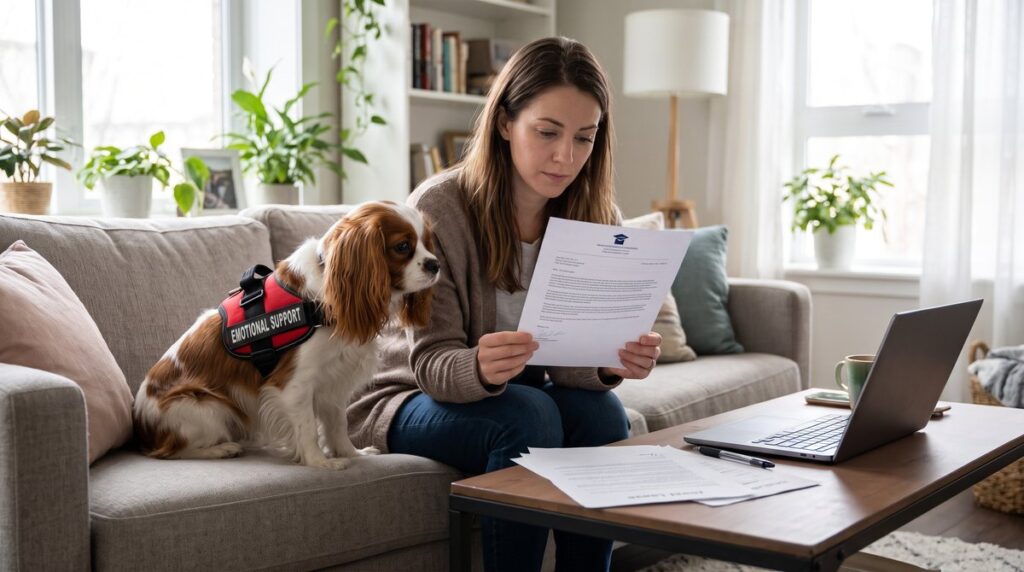
A valid emotional support animal letter is a short document from a licensed ...
A valid emotional support animal letter is a short document from a licensed health care professional who has evaluated you and believes you have a disability-related need for an emotional support animal. A strong letter is personal to you, written on the provider's letterhead, shows how to verify the license, and connects the animal to how your ...
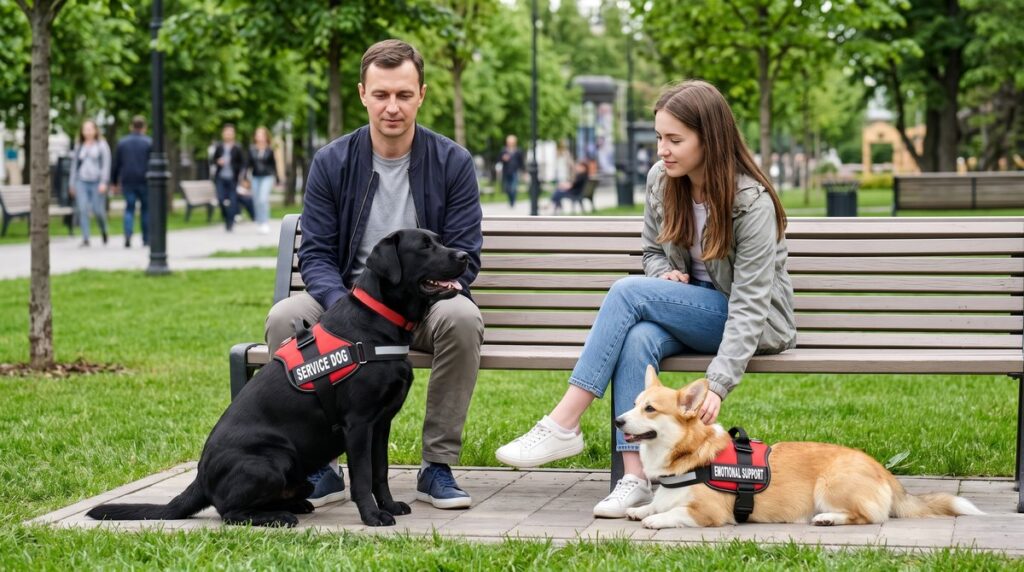
A service dog is individually trained to perform specific tasks for a ...
A service dog is individually trained to perform specific tasks for a person with a disability and can go with its handler into most places open to the public. An emotional support animal (ESA) helps through its presence, is not task-trained, and has no ADA right to enter stores, restaurants, or hotels. A therapy dog visits hospitals, schools, and ...

Yes — the animal itself is still protected. What changed on 22 May 2026 is ...
Yes — the animal itself is still protected. What changed on 22 May 2026 is federal enforcement of pet-fee waivers, and the answer now depends on your state. Updated with the California Civil Rights Department alert of 20 July 2026.

Most people don't realize that California's "no pets" policies cannot be ...
Most people don't realize that California's "no pets" policies cannot be used to deny an emotional support animal. Emotional Support Animal Laws in California give you real, enforceable rights. If your landlord is refusing your ESA based on a no-pet clause, they may be violating both federal and state law. This guide breaks down what those ...

Yes, Virginia protects emotional support animals in housing. The Virginia ...
Yes, Virginia protects emotional support animals in housing. The Virginia Fair Housing Law defines an "assistance animal" to include an animal that provides emotional support for a person's disability (Va. Code § 36-96.1:1), and a separate section, § 36-96.3:1, sets out how a landlord may verify the request and what the tenant pays. Renting with ...

An emotional support animal in Georgia is protected mainly at home: the ...
An emotional support animal in Georgia is protected mainly at home: the federal Fair Housing Act and the Georgia Fair Housing Law (O.C.G.A. § 8-3-200 and following) let you ask a landlord to set aside a no-pets rule as a reasonable accommodation. Outside housing, an ESA has no public access rights, and since July 1, 2026 Georgia law spells that ...
Price:
Your current registration:
After change, your registration will be:
Your current registration:
will be replaced with:
You have entered the maximum number of characters
You have entered the maximum number of characters
You have entered the maximum number of characters
You have entered the maximum number of characters
You have entered the maximum number of characters
EC-0000001
Nov 17, 2026
-
-
-
-
-
-
You have entered the maximum number of characters
You have entered the maximum number of characters
You have entered the maximum number of characters
You have entered the maximum number of characters
You have entered the maximum number of characters
You have entered the maximum number of characters
You have entered the maximum number of characters
Enter at least 3 characters to search. You have entered: