(3)
Spend more to get free priority shipping
Great. You will get complimentary priority shipping for free.
Previous registration has been removed from the cart as only one animal registration is allowed at a one time.

Spend more to get free priority shipping
Great. You will get complimentary priority shipping for free.
Previous registration has been removed from the cart as only one animal registration is allowed at a one time.
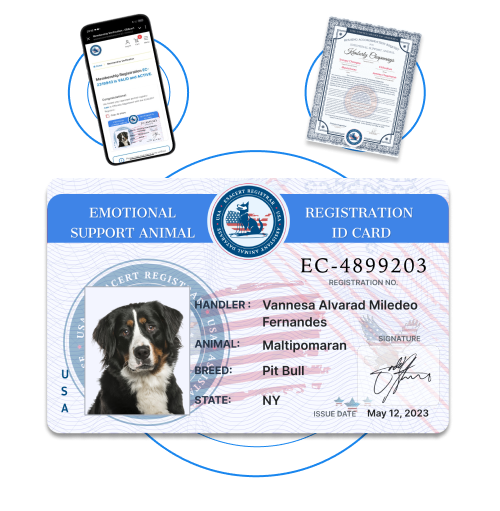
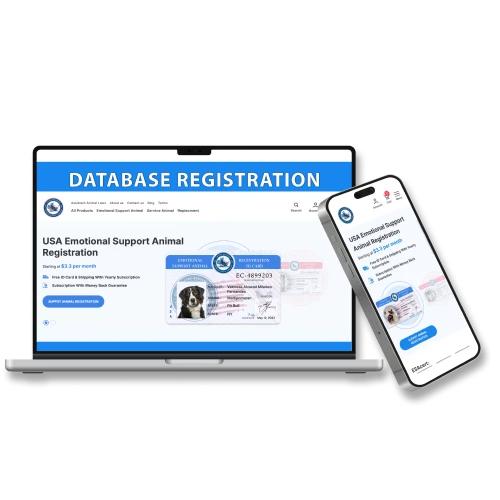
Please note that there is no unified Assistant Animal database registration in the USA.
You cannot verify information from other registrars on the esa-cert.com website
Original price was: $129.$97Current price is: $97.
Your current registration:
After change, your registration will be:
Your current registration:
will be replaced with:
A service animal registration package gives you something tangible to carry – an ID card, a certificate, and a digital passport you can pull up on your phone. Instead of explaining your dog’s role from scratch every time you walk into a building, meet a new landlord, or board a flight, you hand over a card and move on with your life. Fewer awkward conversations, faster identification, and a smoother day for you and your animal.
This kit is available for trained dogs of any breed or size and for miniature horses that perform tasks for a handler with a disability. Every registration is valid for two full years and ships with both physical and digital items so you’re covered whether you prefer something in your wallet or on your screen.
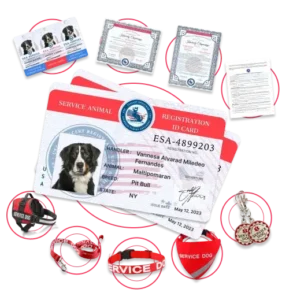
Your full line of items includes:
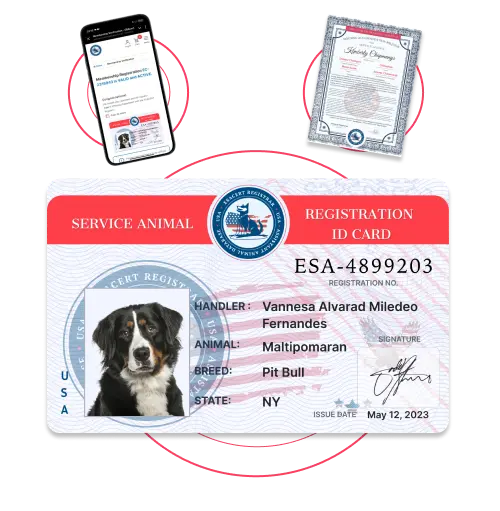
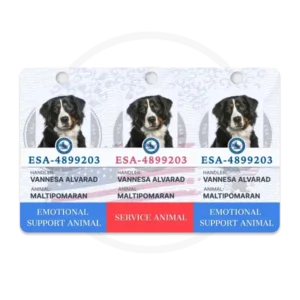
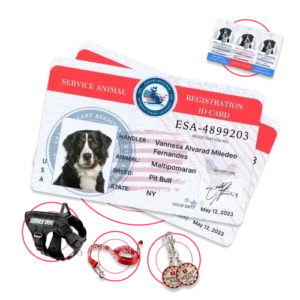
ADA-style ID card – durable, credit-card-sized PVC plastic with your service animal’s photo and a QR code linking to their online passport
Online animal passport – a personal verification page on the ESA-CERT website displaying the handler’s name, animal name, photo, and task description
Printed certificate – 8½ × 11, suitable for framing or presenting to a property manager
Housing Accommodation Request form – a ready-to-use document you can submit alongside your accommodation request
Registration can include ID cards, certificates, and collars or tags. After you complete your submission, you’ll receive an email confirmation with your digital items right away; physical items ship separately. The package covers a two-year registration period.
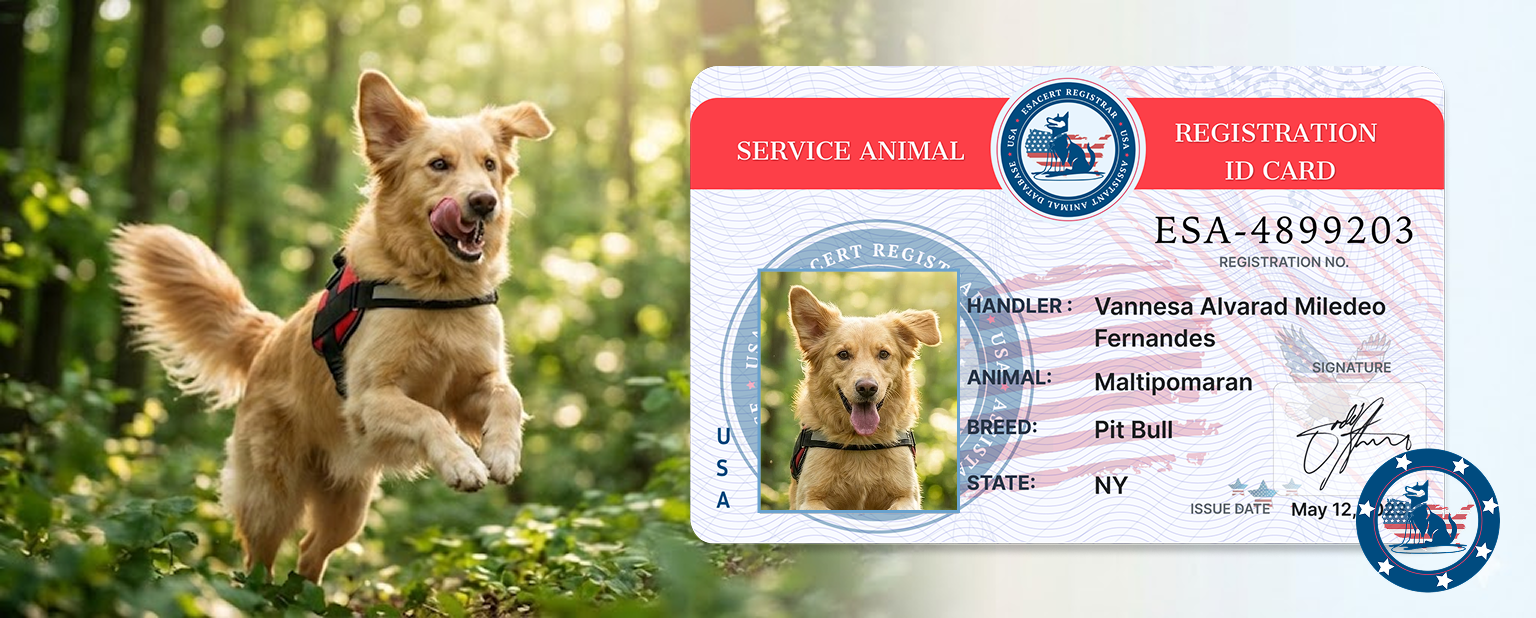
Digital ID will be available almost instantly after subscription
Confirm your animal’s service status quickly and conveniently anywhere
Flat one-time payment for 2 years of registration and ID card - no recurring fees
Registration comes with ID card and Housing Accommodation Request
Service dog registration is used by owners and handlers who want a quick way to show that their dog – or miniature horse – is trained to perform a task directly related to a disability. Handlers living with PTSD, anxiety, depression, seizure disorders or mobility challenges often use one. Under the ADA a service animal is a dog trained to do work or perform tasks for a person with a disability, and it can be any breed or size. This package gives you that identification in a form you can carry and show on request.
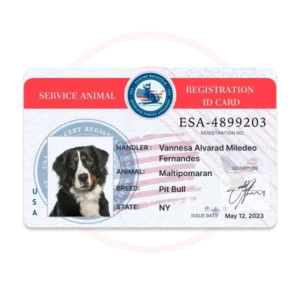
The front of the ID card features your animal’s photo, name, and registration number against a clean layout. A QR code on the back links directly to the online passport, where anyone can verify the animal’s information in seconds. The certificate uses a formal design and is sized for display at home or in a landlord’s file. Cards are made from durable PVC plastic – the same material as a driver’s license – so they hold up in a wallet or on a lanyard.
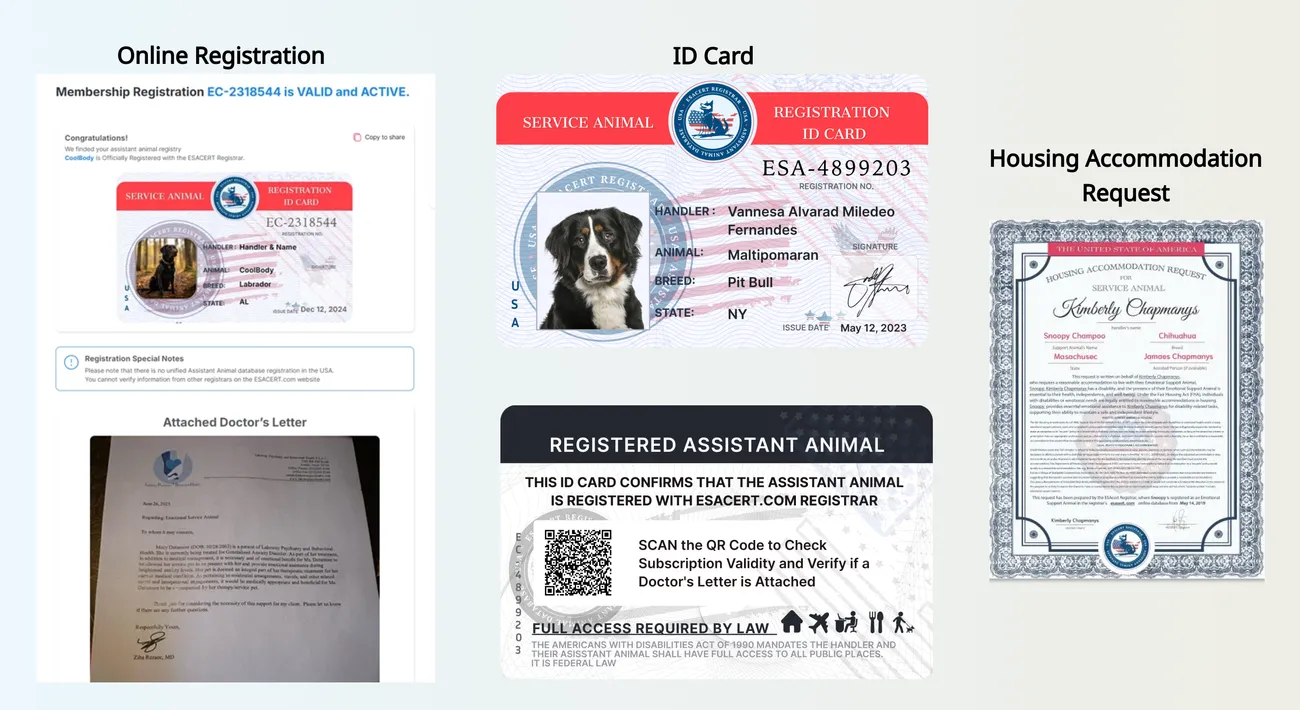
To register a US Service Animal, you must check if you meet the eligibility requirements and get a doctor’s letter. Owners may register ADA Animal even if they self-train them; there is no requirement for professional certification.
Video manual how to make registration on our website:
You will receive an instant digital ID card on our website upon registration
USPS First Class shipping is included (4-6 business days shipping time). You can pay extra for a tracking number or priority shipping
With an active registration, you can purchase paperwork and receive a permanent personal 15% coupon for future orders
Our ID cards include animal’s photo, owner’s signature, and QR code for online verification
The registration process is straightforward. You provide a photo of your animal, the animal’s name, and a short description of the task the dog or miniature horse has been trained to perform. We accept service dogs and miniature horses only – emotional support animals without task training are handled through a separate process.
Self training is allowed for service animals under the ADA, so you do not need proof of a professional training program or a certificate from a certified trainer. There is no legal requirement to register a service animal in the United States, and animals are not required to be certified or registered to exercise their rights.
A registration card and an ESA letter serve different purposes. Registration is voluntary and not legally required – it gives you a convenient identification tool. Housing rights for emotional support animals are protected under the fair housing act, and those rights rely on a letter from a licensed therapist, professional, or other provider following a consultation. The card is a convenience that supports your request; the letter from a licensed professional is the legal document for housing. An emotional disability or mental health condition verified by a therapist is what activates the protection, not the card itself.
Price range: $15 through $25
Original price was: $22.$20Current price is: $20.
Carrying a physical ID card speeds up interactions at apartments, hotels, hospitals, and public spaces. Under the ADA a trained service dog may accompany its handler into places open to the public, with narrow exceptions – a sterile operating room, for instance, or if the dog is out of control. In housing, a provider considers a reasonable accommodation request, and where it is granted the dog is not treated as a pet, so pet deposits and pet rent generally do not apply. Your animal must perform tasks directly related to a disability, and service animals are trained to perform specific tasks like alerting to seizures, guiding a handler, or providing mobility support. Documentation helps improve communication in public settings, and the Housing Accommodation Request form included in this kit helps you present your accommodation request clearly. The benefit is real, but remember: the legal protections come from federal laws and your disability, not from a card or registration.
Picture handing your landlord or property manager a card and a form instead of reciting your rights from memory. Providing clear documentation makes interactions faster – at a hotel front desk, during a lease signing, or when entering a store with your service dog. Businesses cannot require service animals to wear vests or other id, and they cannot require proof of registration or certification. Staff may only ask two questions: whether the dog is required because of a disability and what task it has been trained to perform. Your QR-linked passport gives anyone a responsible way to verify your animal’s information on the spot, without you having to carry around stacks of paperwork.
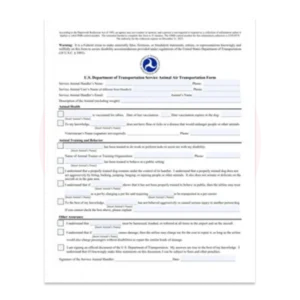
For airline travel, a trained service dog may accompany you in the cabin under current Department of Transportation rules. Emotional support animals generally travel as pets under those same rules, so air access for ESAs is limited under current regulations.
A service animal registration package puts something concrete in your hand – a card, a certificate, a digital profile – so daily life runs with less friction. That clarity matters when you’re entering hospitals, boarding public transportation, or meeting a new property manager.
At the same time, registration is not official, not government-issued, and not a replacement for the underlying law. No complaint or dispute should rest on a card alone. Voluntary registration supports your interactions but does not force compliance from any person or organization.
Under the Americans with Disabilities Act, a service animal is a dog – any breed – individually trained to perform work or a task for a person with a disability. In limited cases, miniature horses also qualify. The ADA does not require registration, certification, or an ID card, and businesses cannot demand papers. Emotional support dogs are not considered service animals under the ADA and carry no public-access right; emotional support animals do not require specific training and can be any domestic animal. Emotional support animals are protected for housing under the fair housing act, not the ADA.
A service animal can be removed from a public space if it is out of control or not housebroken. All service animals remain subject to local dog licensing and vaccination laws. A puppy still in training may not yet qualify depending on your state’s rules – check your local department of animal services for details.
Ready to register your service animal? The two-year package from ESA-CERT includes your physical ID card, printed certificate, online passport, and Housing Accommodation Request form. The process is simple to complete – contact us through the website, provide your animal’s details, and your digital items arrive quickly. Physical items follow by mail.
Legal information on this page reflects federal law as published by the agencies below. Rules can change and state or local law may add protections — check the current text of each source.

Price range: $22 through $27
Original price was: $24.$19Current price is: $19.

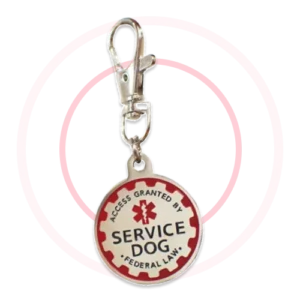
Original price was: $15.$9Current price is: $9.
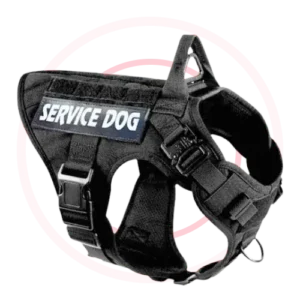
Price range: $60 through $75

Original price was: $21.$19Current price is: $19.
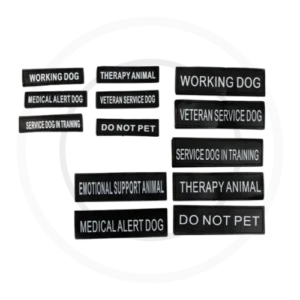
Price range: $10 through $11
Registration is voluntary and not legally required under any federal law. It exists as a convenience tool for quicker identification in everyday situations.
The card and Housing Accommodation Request form help you present your accommodation request in a clear, organized way. Landlord obligations come from the fair housing act and your qualifying disability, not from the card itself.
Under current DOT rules, trained service dogs may fly in the cabin with their handler. Emotional support animals are generally not treated as service animals by airlines and typically travel as pets.
Each registration package is valid for two years from the date of issue.
Yes – contact ESA-CERT through the website to request a replacement card using your existing registration details.
If you received a letter from your doctor confirming that a service animal can help improve your condition, then yes – you qualify.
No, professional training is not required under the ADA. Individuals with disabilities are allowed to train their own service animals. The key requirement is that the dog must be trained to perform specific tasks related to the handler’s disability and maintain appropriate behavior in public settings.
Yes, individuals can bring more than one service animal into public places if each animal is trained to perform different tasks related to their handler’s disability. However, the handler must be able to control both animals, and the presence of multiple service animals should not fundamentally alter the nature of the public space or cause disruptions.
Price:
Your current registration:
After change, your registration will be:
Your current registration:
will be replaced with:
You have entered the maximum number of characters
You have entered the maximum number of characters
You have entered the maximum number of characters
You have entered the maximum number of characters
You have entered the maximum number of characters
EC-0000001
Oct 3, 2026
-
-
-
-
-
-
You have entered the maximum number of characters
You have entered the maximum number of characters
You have entered the maximum number of characters
You have entered the maximum number of characters
You have entered the maximum number of characters
You have entered the maximum number of characters
You have entered the maximum number of characters
Enter at least 3 characters to search. You have entered:
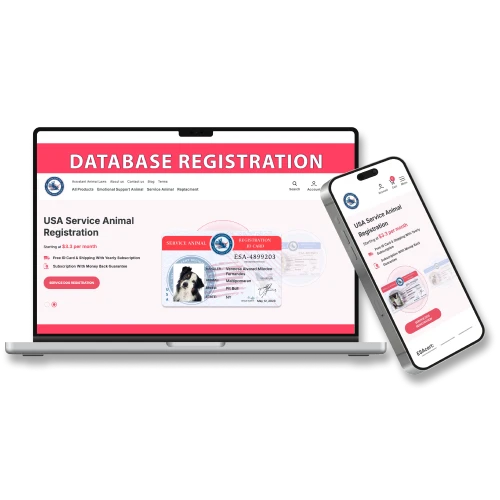

Peter
|Housing request included