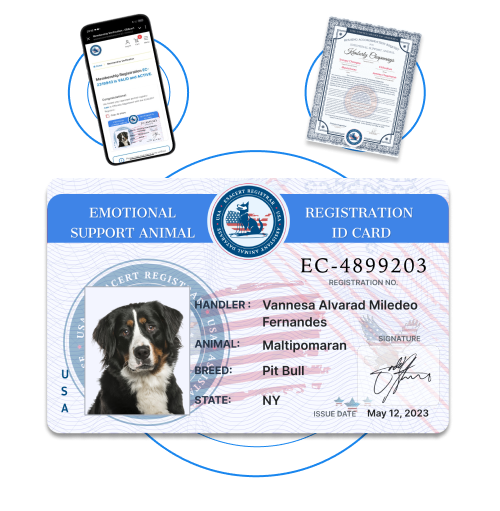
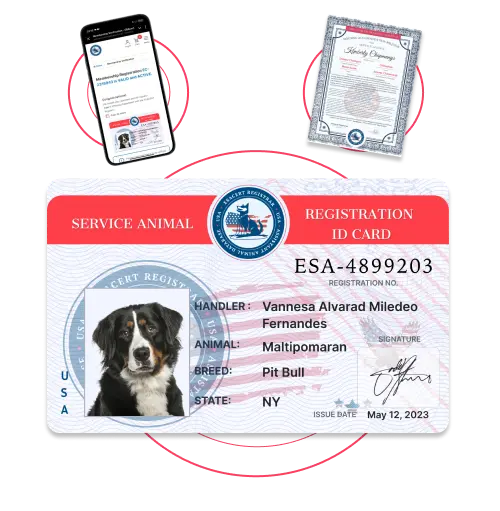
(3)
Spend more to get free priority shipping
Great. You will get complimentary priority shipping for free.
Previous registration has been removed from the cart as only one animal registration is allowed at a one time.

Spend more to get free priority shipping
Great. You will get complimentary priority shipping for free.
Previous registration has been removed from the cart as only one animal registration is allowed at a one time.
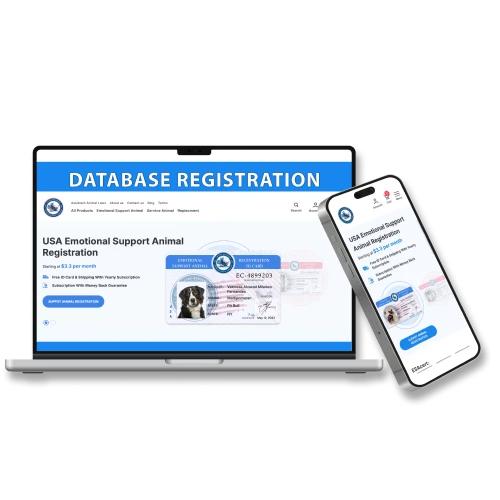
Please note that there is no unified Assistant Animal database registration in the USA.
You cannot verify information from other registrars on the esa-cert.com website
A service dog harness gives your working dog the comfort, control, and visible identification needed to move through daily life with fewer interruptions. Whether your pup assists with balance, alerts to medical events, or guides you through crowded spaces, the right harness makes every outing smoother for both handler and dog. Below you’ll find how different harness types compare, what features actually matter, and how to match a harness to your dog’s body and trained tasks.
Service dog harnesses break down into three functional categories. Each is structured for specific tasks like mobility support and guiding, so the best harness for your dog depends on what it’s trained to do.
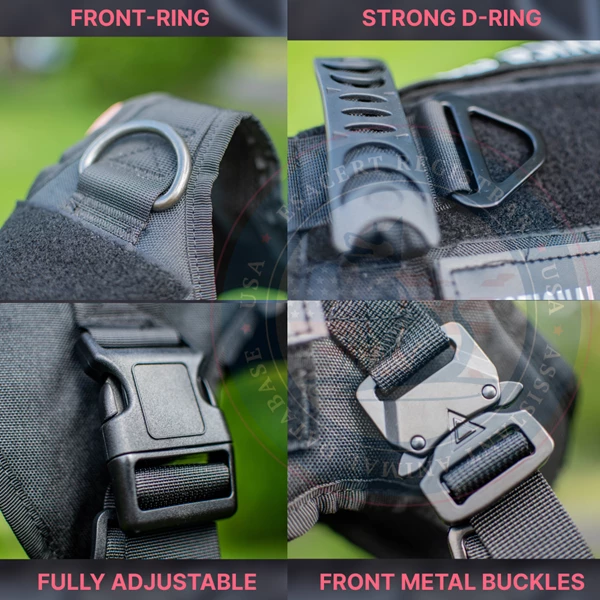
Built from high-denier Cordura or ballistic nylon with reinforced stitching and metal hardware, tactical harnesses handle rough conditions and heavy daily use. Multiple D-ring attachment points, MOLLE panels for pockets and gear, and a sturdy top handle give handlers maximum control. These suit large dogs working in outdoor, search-and-rescue, or law-enforcement environments where durability under abrasion and weather is non-negotiable.
Handlers who need additional mobility assistance – help with balance, standing, or steadying during transfers – rely on harnesses with rigid handles and load-bearing frames. Service dog harnesses often include rigid handles for balance and stability, and the straps distribute force across the dog’s chest and shoulders rather than the spine. The Help ‘Em Up Harness, for example, supports dogs weighing 10 to 225 lbs and has 10 adjustment points for a custom fit, while the SKYEWALKER harness features a Y-shaped design for full-body support and also supports dogs recovering from joint injuries. Mobility assistance harnesses help dogs with joint pain and arthritis, and they can alleviate pain for aging dogs dealing with those conditions. Because load distribution and handle height are critical, mobility harnesses require a professional fit to avoid stress on the dog.
For alert dogs, psychiatric service dogs, seizure-response dogs, and guide dogs in everyday settings, a standard harness keeps things simple. Lighter straps, breathable mesh or padded nylon, and clear “Service Dog” patches handle identification without the weight of tactical or mobility gear. The Front Range Harness is padded for everyday adventures and is a solid pick for handlers who need comfort and visibility rather than heavy structural support. Harnesses can be designed for mobility assistance or everyday use – a standard style covers the latter well.
Key features of a service dog harness include proper fit, comfort, and adjustability. Here’s what separates reliable gear from dog wear that falls apart after a few months.
Durable materials like nylon or high-quality leather are recommended for harnesses that see daily service work. Look for box-stitched seams at load-bearing points, welded D-ring hardware instead of split rings, and buckles that won’t crack under strain. Quality webbing matters: in independent testing, some brands claim tensile strengths above 3,800 lb for their webbing. The OneTigris X-Armor tactical harness scored 83/100 in mid-2026 durability reviews. Many manufacturers still don’t publish failure data, so read reviews customer photos and look for documented wear patterns before you buy.
A harness your dog wears all day needs to sit correctly against the dog’s body without restricting the shoulders or pressing on the neck. Extra padding at the chest area, along the straps behind the front legs, and at contact points near the shoulders prevents chafing during extended wear. Breathable fabrics help in warm weather – the Swamp Cooler Harness is designed to keep dogs cool during long outings. Harness design measurably affects how a dog moves – fit changes shoulder extension and stride – and the same harness sits differently on different builds, so breed-specific effects were pronounced. Solid side panels on heavier harnesses may also limit thoracic expansion, so balance coverage with airflow, especially for a senior dog or any pet prone to overheating.
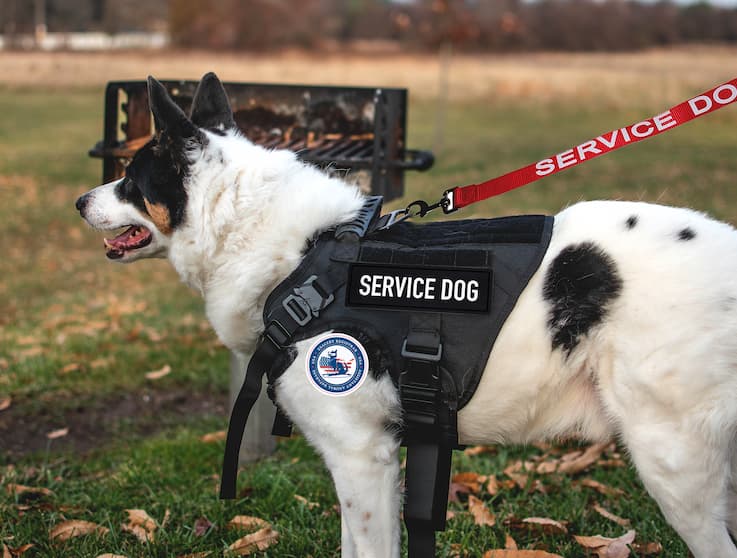
Identification vests for service dogs signal to the public that the dog is working, which means fewer interruptions and awkward questions. Velcro panels for removable “Service Dog” patches, high-contrast colors, and reflective materials improve safety for service dogs in low-light conditions. None of this changes legal status – the ADA doesn’t require visible ID – but it smooths daily interactions considerably.
Turning features into a decision comes down to four criteria:
Dog’s size and measurements – Dog harness sizes vary by chest girth measurements. Measure chest girth at the widest part of the chest, take a neck circumference reading, and weigh your dog. Choose a harness size based on your dog’s measurements, and if measurements fall between sizes, select the larger size. A size chart from the manufacturer is your starting point; your dog’s weight and breed confirm you’re in the right range.
Type of service work – A service dog harness assists with tasks and provides mobility support, but only if matched to the job. Mobility tasks demand rigid handles and load-rated construction. Guide work needs a handle that transmits directional cues. Alert or psychiatric service work calls for a lighter standard vest. Service dogs must be individually trained to perform tasks related to a person’s disability, and the harness should complement – not complicate – those tasks.
Daily activity level and environment – Handlers in rugged outdoor settings or harsh weather need high-denier fabrics and corrosion-resistant hardware. Dogs working mostly indoors or in mild climates do well with lighter, more breathable options. Consider how often the harness comes on and off – quick-release buckles save time for handlers with limited dexterity.
Handler preferences – Handle placement (top-back vs. chest-level), leash attachment style (front clip, back clip, or side D-ring), number of adjustable straps, and the option to attach identification patches all vary. Handlers with mobility issues or arthritis in their hands should test grip comfort before committing. The right harness fits both the dog and the person holding the other end of the leash.
Matching the right harness to your dog’s trained tasks, measurements, and daily environment keeps both handler and dog comfortable and secure. Start by measuring your dog’s chest and neck, determine whether you need mobility support or a standard setup, and pick materials that fit your climate and activity level. Browse the collection to find the harness that works for your team.
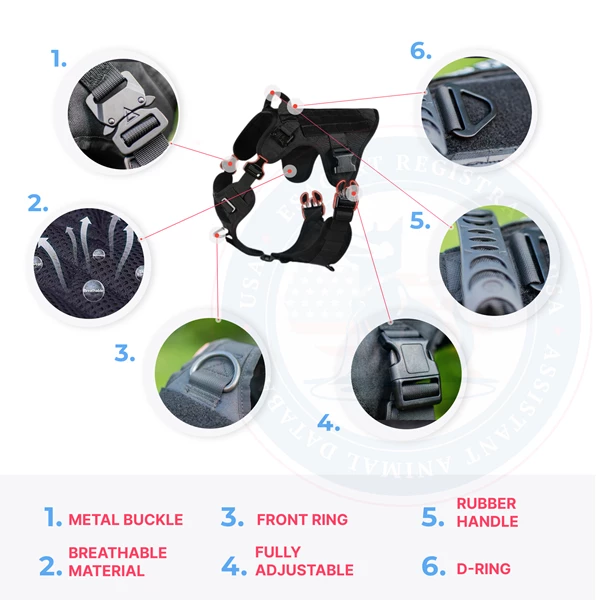
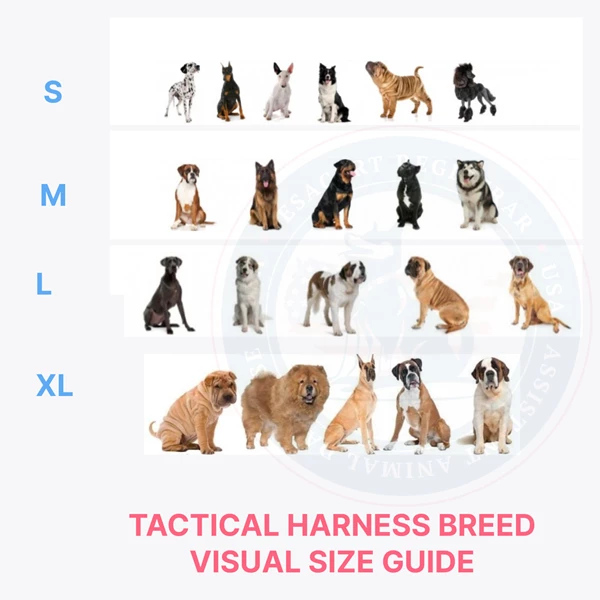
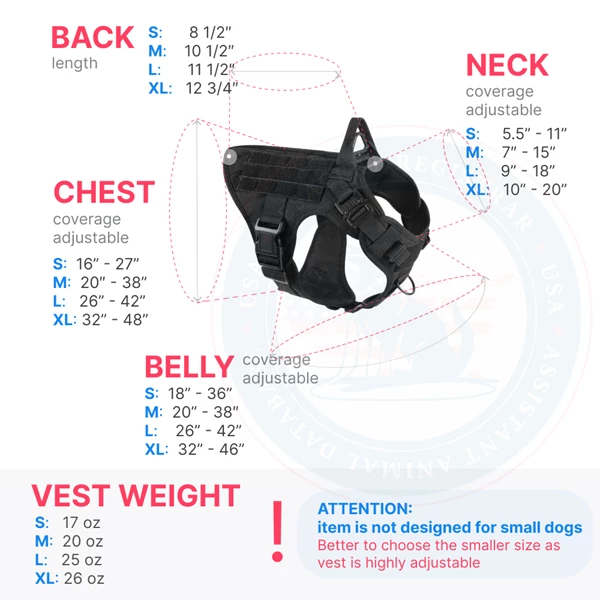
| Size | Back Length (cm / ”) | Neck Coverage (cm / ”) | Chest Coverage (cm / ”) | Belly Coverage (cm / ”) | Vest Weight (oz) |
|---|---|---|---|---|---|
| S | 21.6 cm / 8.5” | 14-27.9 cm / 5.5”-11” | 40.6-68.6 cm / 16”-27” | 45.7-91.4 cm / 18”-36” | 17 oz |
| M | 26.7 cm / 10.5” | 17.8-38.1 cm / 7”-15” | 50.8-96.5 cm / 20”-38” | 50.8-96.5 cm / 20”-38” | 20 oz |
| L | 29.2 cm / 11.5” | 22.9-45.7 cm / 9”-18” | 66-106.7 cm / 26”-42” | 66-106.7 cm / 26”-42” | 25 oz |
| XL | 32.4 cm / 12.75” | 25.4-50.8 cm / 10”-20” | 81.3-121.9 cm / 32”-48” | 81.3-116.8 cm / 32”-46” | 26 oz |
Legal information on this page reflects federal law as published by the agencies below. Rules can change and state or local law may add protections — check the current text of each source.
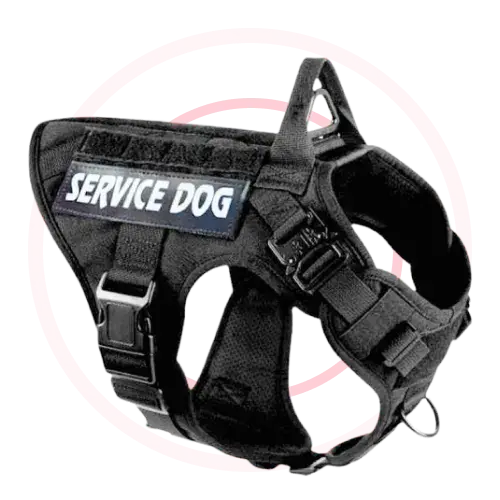
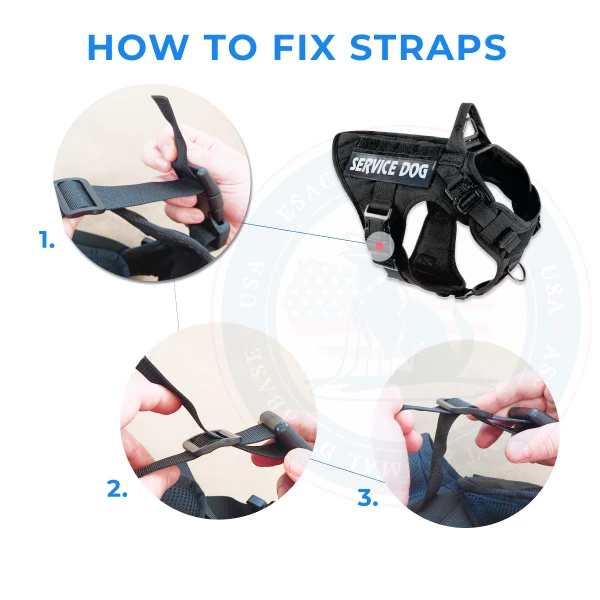
Tactical Harness with ESA Patch available only in black color and designed specifically for medium and large dogs. It is not suitable for small animals.
USPS First Class:
2-6 business days.
Priority Mail: 1-4 business days.
Expedited Shipping: up to 2 business days.
As a registrar, we are not primarily focused on selling accessories, and a 25% restocking fee applies to any returns.
As a seller, we provide a 12-month warranty on the durability of the product.
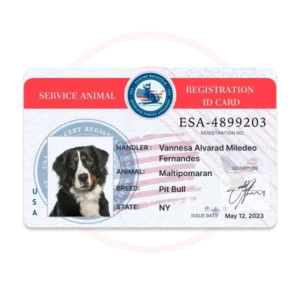
Original price was: $22.$20Current price is: $20.
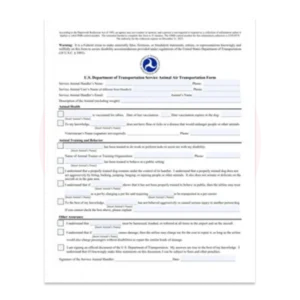
Price range: $15 through $25
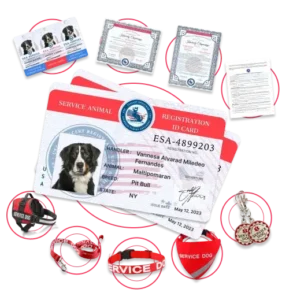
$159
Include 1 year subscription;$50/year thereafter
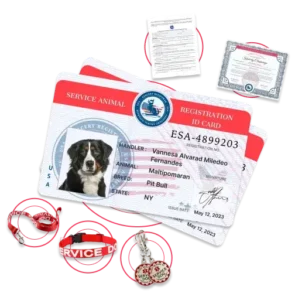
$115
Include 1 year subscription;$50/year thereafter

Price range: $17 through $26
The Americans with Disabilities Act does not require service dogs to wear a harness, vest, collar, or identification of any kind. Staff at businesses may ask only two questions and cannot demand papers or gear. That said, a visible harness with clear patches reduces questions and helps the public recognize your dog is working – it’s a practical convenience, not a legal requirement.
Measure chest girth at the widest part of the chest, just behind the front legs. Use a measuring tape that is taut but not tight. Then measure neck circumference at the base where a collar would sit. Proper fitting allows two fingers to fit under the harness straps for security without being so snug it restricts movement. Check the fit at a walk, trot, and turn to confirm the straps don’t shift or easily slip. If measurements fall between sizes, select the larger size.
Mobility harnesses are engineered for more support – rigid handle geometry, higher-strength materials, and load-bearing construction that lets a handler redistribute some weight safely. Standard harnesses prioritize lightweight comfort, visibility, and general control for tasks like alerting or guiding. A dog with hip dysplasia working as a brace animal needs a mobility harness; a medical-alert dog does fine with a standard vest. The Help ‘Em Up Harness has 10 adjustment points for a personalized fit and supports dogs across a wide weight range, making it a strong mobility option, while standard styles keep things minimal for less physically demanding service roles.
Watch for fraying webbing, cracked buckles, bent D-ring hardware, loose stitching at handle attachment points, or padding worn thin enough to cause rubbing. A standard nylon harness used daily typically lasts one to two years. Well-maintained tactical or leather harnesses can hold up five to ten years. Body changes matter too – a growing pup or a senior dog losing muscle mass may need a different harness size well before the gear itself wears out. Guide and service dog organizations report an average working life of eight to ten years, so expect to replace gear several times over a dog’s career.
Yes. Use mild soap, lukewarm water, and a soft brush on nylon webbing and padded straps. Avoid bleach or harsh detergents that break down fibers over time. Dry metal hardware completely to prevent rust. Tactical harnesses with MOLLE panels can trap dirt in tight spaces – clean those carefully. Leather components need periodic conditioning so they don’t crack. Always check the manufacturer’s care instructions, and inspect straps and buckles after washing for any signs of wear you might have missed.
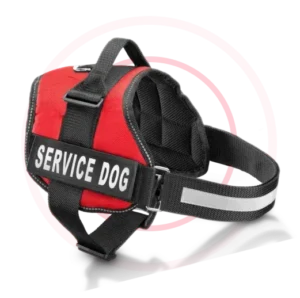
Price range: $22 through $27
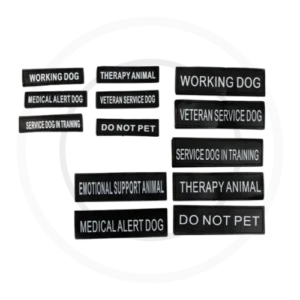
Price range: $10 through $11
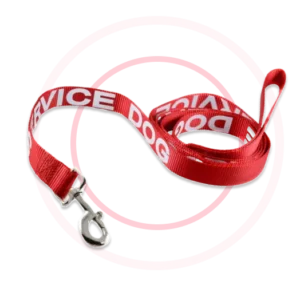
Original price was: $24.$19Current price is: $19.
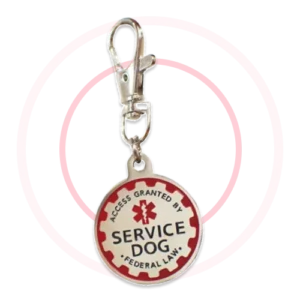
Original price was: $15.$9Current price is: $9.
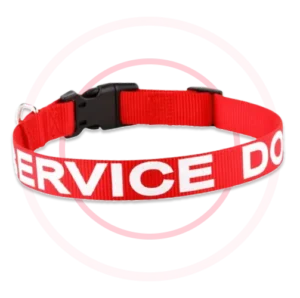
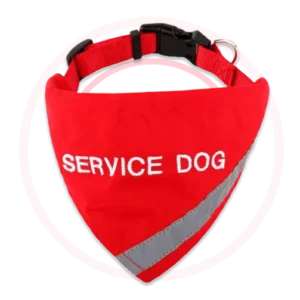
Original price was: $21.$19Current price is: $19.
Price:
Your current registration:
After change, your registration will be:
Your current registration:
will be replaced with:
You have entered the maximum number of characters
You have entered the maximum number of characters
You have entered the maximum number of characters
You have entered the maximum number of characters
You have entered the maximum number of characters
EC-0000001
Oct 3, 2026
-
-
-
-
-
-
You have entered the maximum number of characters
You have entered the maximum number of characters
You have entered the maximum number of characters
You have entered the maximum number of characters
You have entered the maximum number of characters
You have entered the maximum number of characters
You have entered the maximum number of characters
Enter at least 3 characters to search. You have entered:
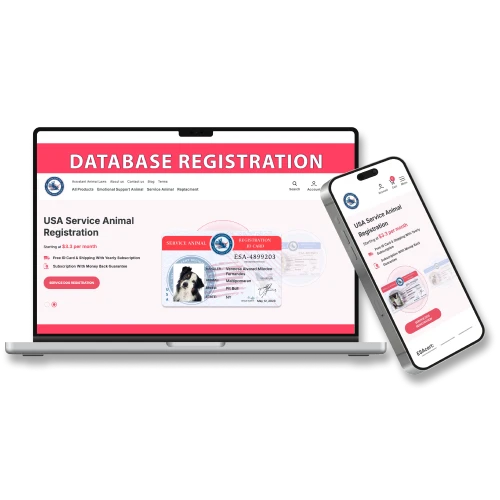

Olivia Thompson
|The quality is fantastic!