(3)
Spend more to get free priority shipping
Great. You will get complimentary priority shipping for free.
Previous registration has been removed from the cart as only one animal registration is allowed at a one time.

Spend more to get free priority shipping
Great. You will get complimentary priority shipping for free.
Previous registration has been removed from the cart as only one animal registration is allowed at a one time.
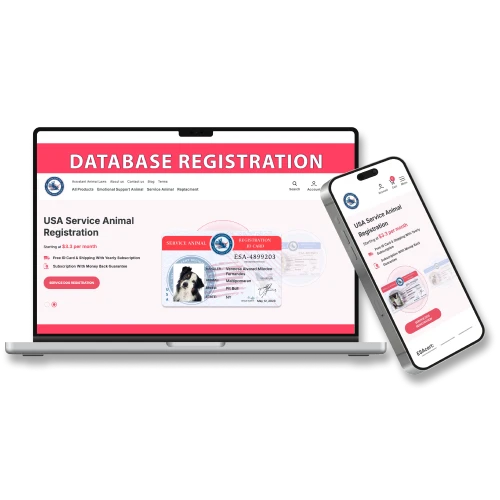
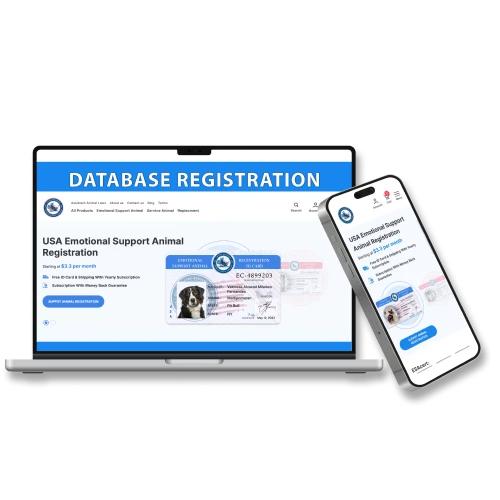
Please note that there is no unified Assistant Animal database registration in the USA.
You cannot verify information from other registrars on the esa-cert.com website
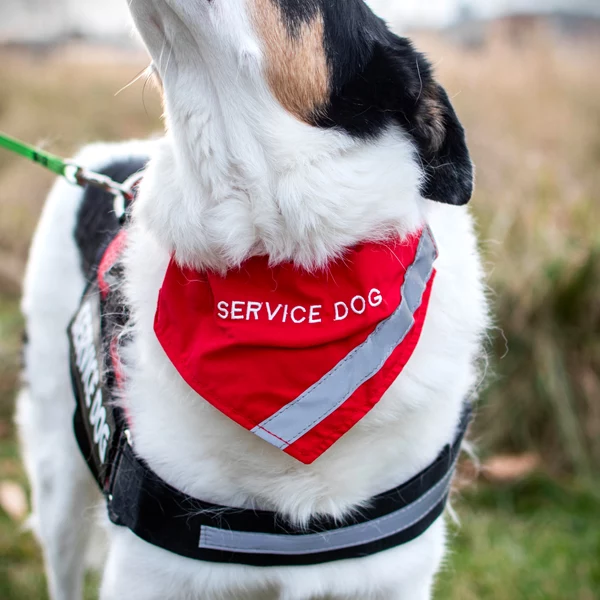
The legal framework in the United States governing these animals is complex and varies depending on the type of animal and the context in which they are used. This article provides an overview of the primary U.S. laws that regulate assistant animals.
The Americans with Disabilities Act (ADA) is the most significant federal law that regulates service animals. Under the ADA:
The Fair Housing Act (FHA) provides protections for individuals with disabilities in housing settings. Note that HUD narrowed its enforcement of these protections on 22 May 2026 without the Act itself changing — what the 2026 HUD change does and does not do, state by state:
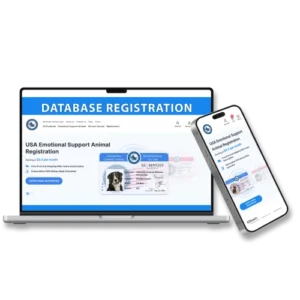
Your current registration:
After change, your registration will be:
Your current registration:
will be replaced with:
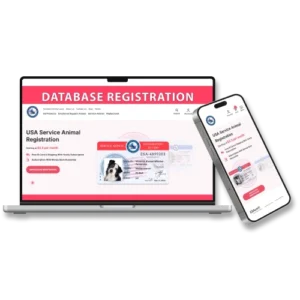
Your current registration:
After change, your registration will be:
Your current registration:
will be replaced with:
The Air Carrier Access Act (ACAA) governs the rights of passengers traveling with service animals and ESAs on airlines:
The Rehabilitation Act of 1973, specifically Section 504, applies to federal agencies, programs receiving federal financial assistance, and federal contractors:
In addition to federal laws, many states have enacted their own laws regulating assistant animals:
Assistance-animal rules differ by state on top of the federal framework above. These guides cover housing, documentation and public access state by state:
Understanding the legal landscape surrounding assistant animals is crucial for handlers, landlords, businesses, and the general public. Federal laws like the ADA, FHA, and ACAA provide robust protections for service animals and ESAs, while state laws may offer additional guidelines and penalties.
Price:
Your current registration:
After change, your registration will be:
Your current registration:
will be replaced with:
You have entered the maximum number of characters
You have entered the maximum number of characters
You have entered the maximum number of characters
You have entered the maximum number of characters
You have entered the maximum number of characters
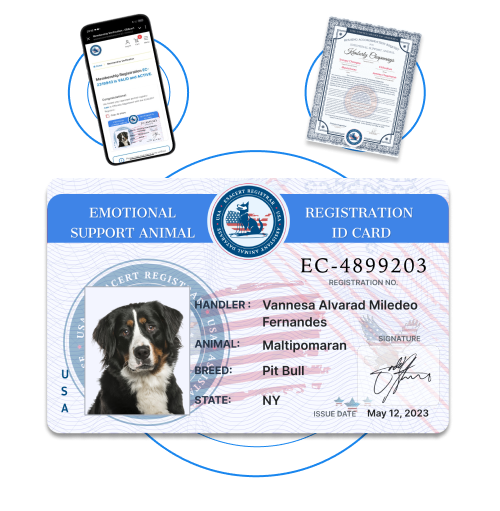
EC-0000001
Oct 3, 2026
-
-
-
-
-
-
You have entered the maximum number of characters
You have entered the maximum number of characters
You have entered the maximum number of characters
You have entered the maximum number of characters
You have entered the maximum number of characters
You have entered the maximum number of characters
You have entered the maximum number of characters
Enter at least 3 characters to search. You have entered: