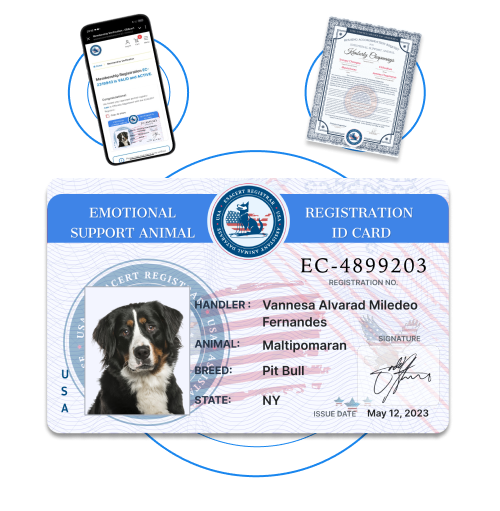
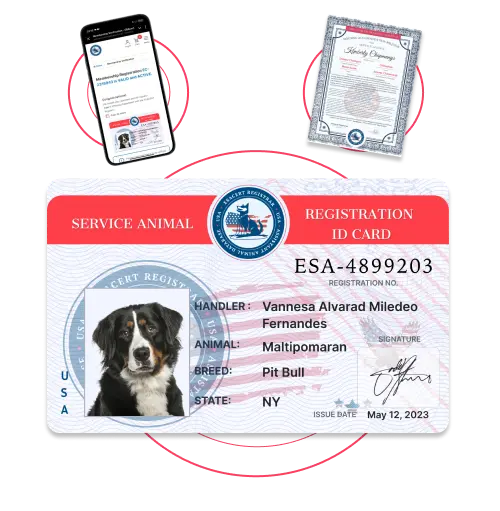
(3)
Spend more to get free priority shipping
Great. You will get complimentary priority shipping for free.
Previous registration has been removed from the cart as only one animal registration is allowed at a one time.

Spend more to get free priority shipping
Great. You will get complimentary priority shipping for free.
Previous registration has been removed from the cart as only one animal registration is allowed at a one time.
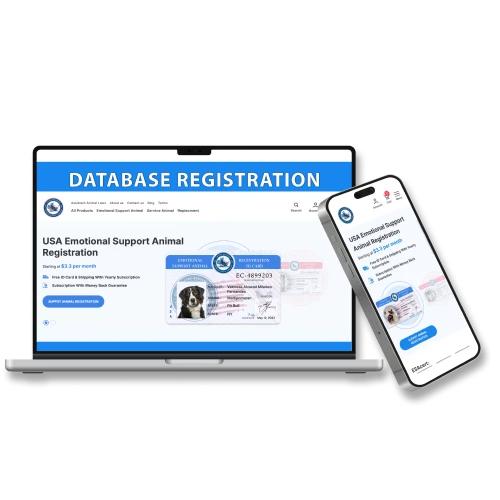
Please note that there is no unified Assistant Animal database registration in the USA.
You cannot verify information from other registrars on the esa-cert.com website
An esa housing accommodation request letter gives you a clear way to ask your landlord to let you live with an emotional support or assistance animal-even when the building says “no pets.” Done right, this letter starts a conversation that’s grounded in your rights under the Fair Housing Act.
An esa housing accommodation request letter is a written accommodation request you send to your landlord or property manager asking to keep an emotional support animal in a pet-restricted building. Under the Fair Housing Act, tenants with a disability can request a reasonable accommodation so they can fully use and enjoy their home. Under the FHA an approved assistance animal is not classed as a pet, so once an accommodation is in place pet fees and breed limits generally do not apply to it. Providers weigh each request individually. Since HUD withdrew its assistance-animal guidance in May 2026, federal enforcement has centred on animals individually trained for disability-related work, so a strong letter from your own licensed professional – and, in some states, local law – carries more of the weight than it used to.
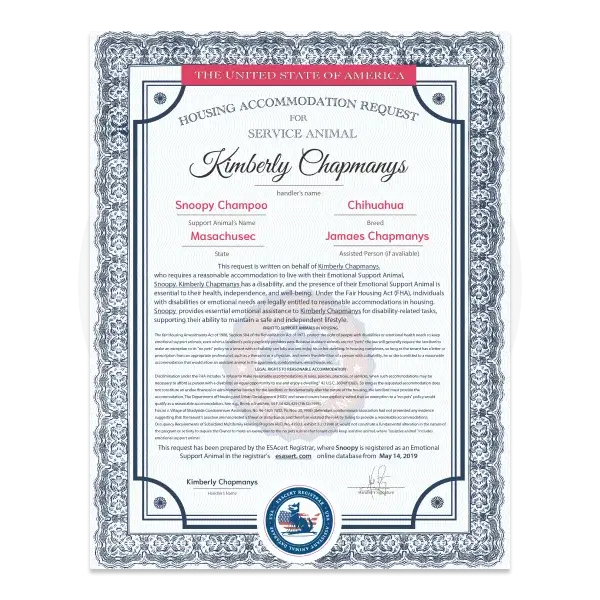
Your letter typically includes your name, property address, a brief mention that you have a disability, and a request to waive the no-pet policy for a specific animal. Many tenants pair this written request with convenience tools like an ESA ID card they can show leasing staff, though these items support the conversation-they don’t replace the ESA letter from your doctor or therapist.
An esa housing accommodation request letter is a written reasonable accommodation request asking a landlord to waive no-pet rules, pet fees, or breed/size limits for an assistance animal.
The Fair Housing Act allows tenants with disabilities to request reasonable accommodation for ESAs, and an ESA housing request must include a letter from a licensed healthcare professional.
A clear, dated letter with the right attachments helps start the interactive process and creates a paper trail you can file away in case problems come up later.
Registration cards and certificates are voluntary convenience tools-they do not replace the licensed professional’s ESA letter.
A strong accommodation request focuses on clarity and respect. You want to provide enough detail for the landlord to understand your disability-related need without exposing private records. The request should not disclose detailed medical information or specific diagnoses unless you choose to share them.
Your letter should include these structural pieces:
A date (e.g., “July 26, 2026”) and the landlord’s or management company’s name and address.
A subject line such as “Reasonable Accommodation Request for Assistance Animal under the Fair Housing Act.”
A statement that you have a disability and a description of your functional limitations-for example, panic attacks that affect your ability to sleep or leave home safely.
Details about the animal: species, name, approximate weight, and how it helps reduce your symptoms.
Specific asks: permission to keep the animal, waiver of pet deposits and monthly pet rent, and exceptions to weight or breed limits where needed.
A closing that requests a written response. Landlords should respond to requests within ten business days.
A reasonable accommodation request should mention the specific disability, and you should use the term “reasonable accommodation” in your request letter so the landlord understands this is a formal ask. A written letter is the most effective way to request an ESA accommodation, though requests can be made verbally or in writing. Whether formal or informal, the letter should provide your phone and email contact information so the landlord can reach you quickly.
Landlords are allowed to verify the authenticity of ESA letters, so attaching the right documents up front can save time. Include a doctor’s note with your accommodation request-a letter from a licensed healthcare professional that confirms your disability, describes how it limits major life activities, and states that an emotional support animal is a recommended accommodation. Documentation for ESAs must establish the disability-related need for the animal, and that medical documentation should relate directly to the accommodation requested.
The professional’s letter should be on official letterhead, dated within the last 6–12 months, and include the provider’s license number and contact details. You may also attach a completed housing reasonable accommodation form if your landlord provides one, proof of tenancy, or secondary-owner details for your animal.
Once the landlord receives your request, they should engage in the interactive process-reviewing your documentation, asking only necessary questions about the disability, and working with you in good faith. A similar obligation applies in the workplace: under the ADA and Rehabilitation Act, an employer must engage in an interactive process after an employee makes a reasonable accommodation request, and the Equal Employment Opportunity Commission (the EEOC) oversees that process. Employers may request medical documentation for specific accommodation issues, and that documentation must explain how accommodations enable job performance. Whether you face a housing or employment situation, keeping a receipt of every submission and tracking information in a file helps if your request is blocked or ignored by a supervisor or property manager.
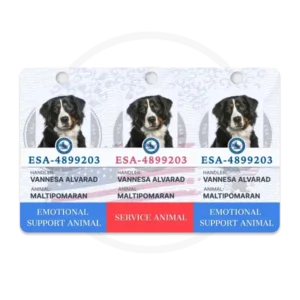
Our Housing Accommodation Request tools are designed to help you present your ESA housing documentation in a clear, organized way. A typical kit can include a professionally formatted request template you fill out and personalize, printable request pages, and optional ESA ID cards that match the information in your ESA housing letter. These make check-in at leasing offices faster and cut down on repetitive explanations to different staff members.
What these tools are not: they are not government documents, not required by the ADA or HUD, and they do not guarantee that a landlord will approve your request. They cannot override the housing provider’s own accommodation form or internal policy. The legal protection comes from the Fair Housing Act plus your disability and your licensed professional’s ESA letter. Our cards and certificates are voluntary, convenience-based aids that help you present your accommodation request more smoothly.
Keep copies of everything you submit-your letter, form, ESA documentation, and emails-so you can show that you made a timely and reasonable accommodation request in good faith. Read through each document before sending it, and learn what your specific area requires so nothing is missing.
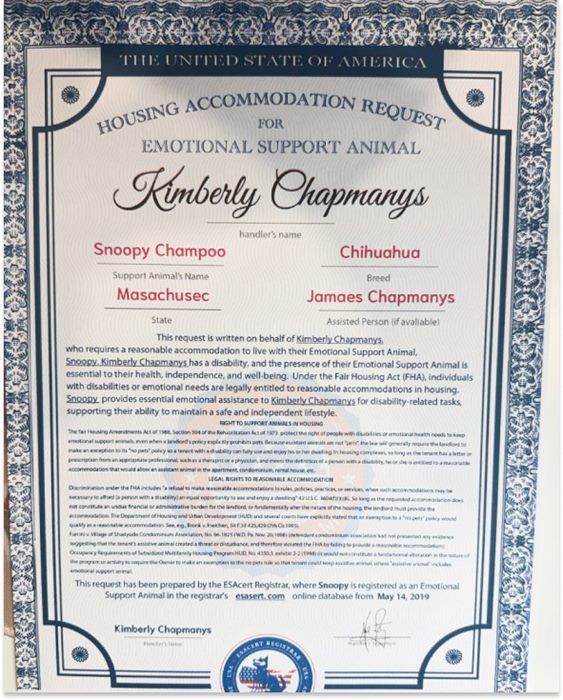
Order it as a PDF and the digital copy lands in your email and your account, ready to print in colour or black and white. Order the physical version and a colour-printed request arrives in letter format — not laminated — carrying the handler’s name along with the animal’s name, type and breed. Have your ESA registration number, or the email you registered with, ready when you order.
Legal information on this page reflects federal law as published by the agencies below. Rules can change and state or local law may add protections — check the current text of each source.
to order you must have an active assistant animal registration with ESA-cert
it as a digital PDF file, which will be sent to your registration email for printing. Alternatively, you can also request a paper version
paperwork are non-refundable.
PDF file will be issued within 2 business hours. USPS First Class: 2-6 business days. Priority Mail: 1-4 business days.
These legal norms collectively ensure that landlords and housing providers must consider and typically grant reasonable accommodation requests, such as those for assistant animals, to ensure fair access to housing for individuals with disabilities.
Applicant’s Information:
Request Details:
The applicant’s signature and date
To order an Assistant Animal Housing Request, you must have an active registration from which information about your animal will be used. You will be able to download the filled-out request after payment in your personal account or receive it via email. In the case of ordering a physical copy, it will be delivered by the chosen shipping method.
We offer the option to provide it in both digital and physical formats:
During the Housing Request order, please provide your valid ESA registration number or the email address you used for registration. If you have not yet registered your assistant animal, you can do so by following this link:
From: $6 / month
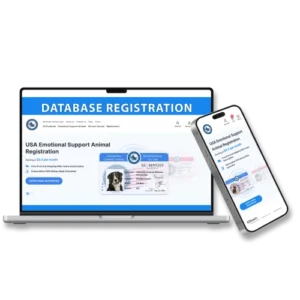
From: $6 / month
Our mission is to make the daily life of assistant animal owners convenient and confident. We understand how often you have to explain your animal’s special status every day, and we strive to simplify this aspect for you. Because having an assistant animal should not be a trial, and it should not bring discomfort. These animals are very important to us, and we thank them every day for the work they do.
Many housing providers use their own HUD reasonable accommodation request form or ADA reasonable accommodation form, but a clear written letter containing all the needed information usually satisfies the requirement. Follow any reasonable form process your landlord provides, and attach your ESA letter from a licensed care provider.
The letter triggers a reasonable accommodation review under the Fair Housing Act, but landlords can still deny requests that would cause undue hardship, pose a direct safety threat, or fundamentally alter the property’s operations. Landlords should respond to requests within ten business days so you know where things stand.
Most landlords accept letters dated within the last year. Updating the letter annually-or whenever your provider’s license or your circumstances change-helps you avoid disputes and keeps your documentation current.
A single professional letter can sometimes describe and justify more than one animal if the provider believes each is part of the recommended accommodation. Make sure the letter clearly lists every animal you intend to keep, including species and approximate size.
Follow up in writing first, keeping a copy for your file. If the issue isn’t resolved, contact a local fair housing organization, legal aid office, or HUD for guidance. Complaints must be filed within 300 days of the discrimination, so act promptly and bring copies of your letter, ESA documentation, and any landlord responses.
No, an ESA letter normally only references one animal. Individual letters are typically required when looking for many animals.
No, a doctor’s letter and a Housing Reasonable Accommodation Request differ.
This needs to be filled out by a licensed healthcare professional to state that the person requires ESA due to an emotional disorder or disability.
This is evidence confirming that the ESA benefits the individual’s health.
The individual formally requests that the landlord or housing provider change its housing policies to allow him/her to have an ESA.
It often contains the doctor’s note as an attachment.
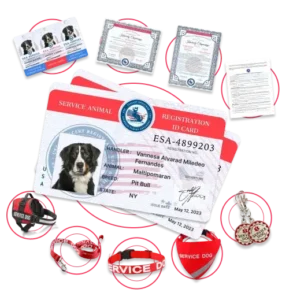
$159
Include 1 year subscription;$50/year thereafter
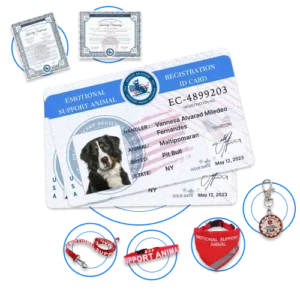
$129
Include 1 year subscription;$50/year thereafter

Price range: $22 through $27

Price range: $22 through $27

Original price was: $15.$9Current price is: $9.

Original price was: $15.$9Current price is: $9.
Price:
Your current registration:
After change, your registration will be:
Your current registration:
will be replaced with:
You have entered the maximum number of characters
You have entered the maximum number of characters
You have entered the maximum number of characters
You have entered the maximum number of characters
You have entered the maximum number of characters
EC-0000001
Oct 3, 2026
-
-
-
-
-
-
You have entered the maximum number of characters
You have entered the maximum number of characters
You have entered the maximum number of characters
You have entered the maximum number of characters
You have entered the maximum number of characters
You have entered the maximum number of characters
You have entered the maximum number of characters
Enter at least 3 characters to search. You have entered:
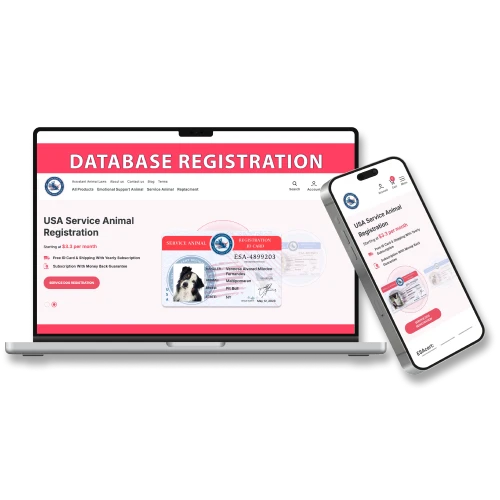
Kiara Evans
|All good!
Benjamin Foster
|It was professionally formatted.