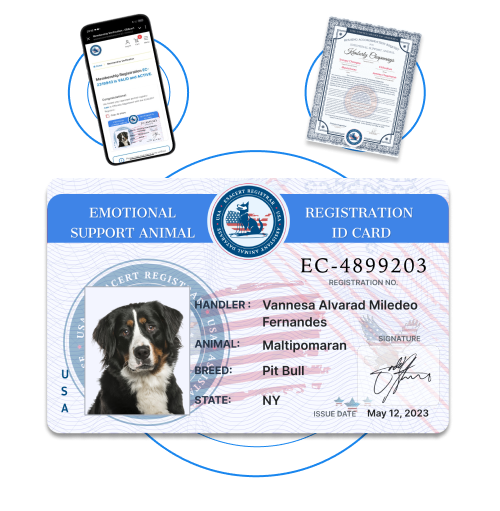
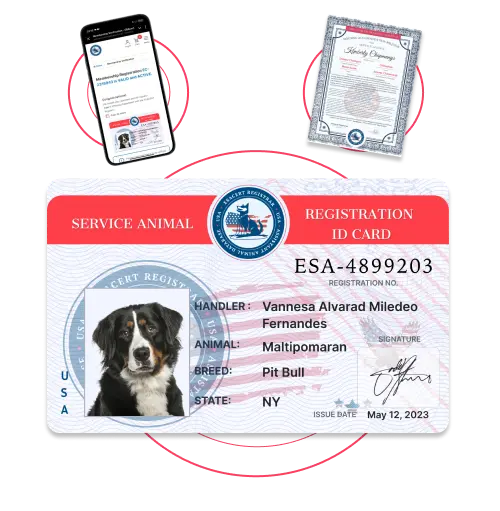
(3)
Spend more to get free priority shipping
Great. You will get complimentary priority shipping for free.
Previous registration has been removed from the cart as only one animal registration is allowed at a one time.

Spend more to get free priority shipping
Great. You will get complimentary priority shipping for free.
Previous registration has been removed from the cart as only one animal registration is allowed at a one time.
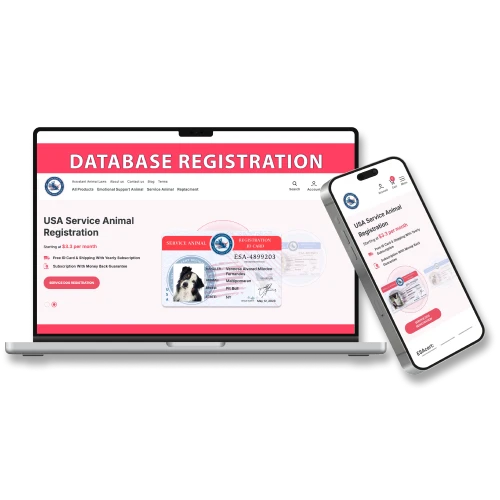
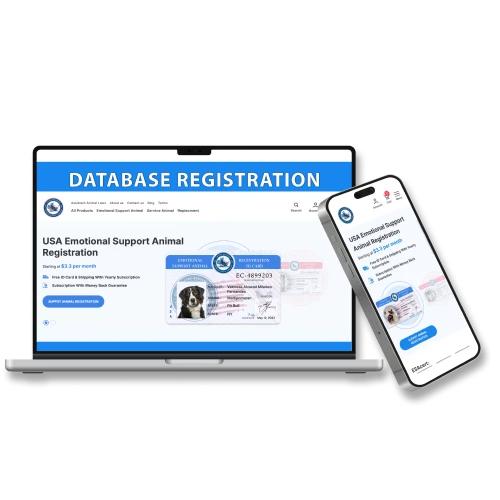
Please note that there is no unified Assistant Animal database registration in the USA.
You cannot verify information from other registrars on the esa-cert.com website
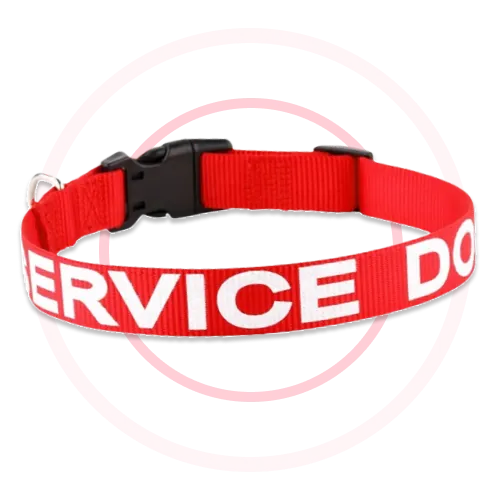
A service dog collar gives your working dog a clear, visible form of identification that makes daily outings smoother and less stressful. Whether you’re heading into a store, boarding public transit, or meeting a new property manager, a collar marked “Service Dog” reduces the number of questions you’ll face and gives people an immediate visual cue that your dog is on the job. These collars are designed for comfort, durability, and easy identification – the practical essentials every handler needs.
Ready to add a quality service dog collar to your handler kit? Each collar ships in your chosen size with clear “Service Dog” identification, durable construction, and adjustable fit. It’s easy to order – select your size, check out, and your collar will be on its way. A simple, trusted accessory that makes daily life with your working dog a little smoother.
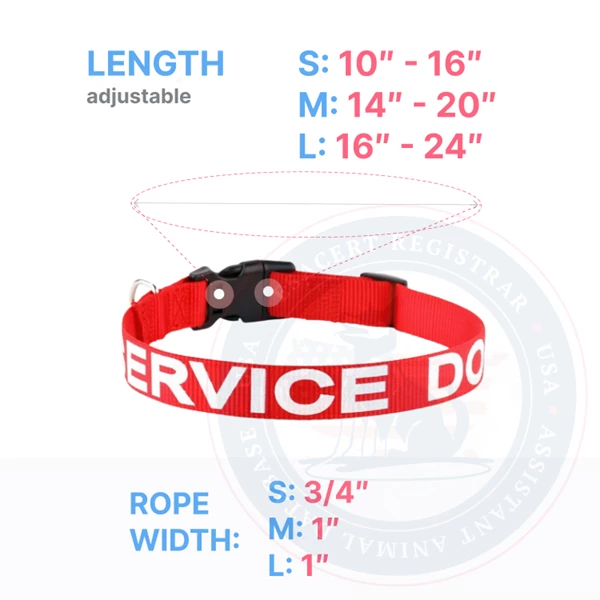
Each service dog collar is built from durable materials in classic black, with “Service Dog” identification clearly displayed. The collar ships in three adjustable sizes to fit a wide range of breeds:
Small (S): Adjustable from 10″ to 16″ neck circumference, ¾″ collar width – a great fit for small dogs and smaller working breeds
Medium (M): Fits neck sizes between 14″ and 20″, 1″ width
Large (L): Designed for neck sizes from 16″ to 24″, 1″ width – suited for larger working breeds
Durable materials for collars include nylon, BioThane, or leather, and this collar uses quality construction with reinforced stitching at stress points. The buckle and D-ring hardware are built to withstand daily wear across all kinds of adventures and activity. Adjustable sizing lets you dial in the fit as your dog’s weight or coat thickness changes with the seasons. Service dog collars should prioritize safety, comfort, and functionality – and that’s exactly what this one delivers. Shipping details and delivery timeline are confirmed at checkout.
Not every handler needs the same collar. Here’s how the main styles break down so you can find the right match for your dog’s work and your daily routine.
Flat buckle collars are standard choices for most service dogs to hold ID tags and remain lightweight. They’re easy to put on, comfortable for all-day wear, and keep your pup visibly identified without adding bulk. Handlers may find embroidered patches useful to communicate the dog’s working status to the public, and many standard collars include patch panels or printed text for exactly this purpose.
High visibility elements are crucial for collars used during early morning or evening work. Reflective collars enhance visibility during evening outings with reflective stitching, piping, or fluorescent accents along the edges. If your daily schedule means walks at dawn or after dark, this style adds a real layer of safety near roads and intersections.
Dogs performing physically demanding service tasks – mobility support, guiding, or medical alert work – benefit from wider bands and stronger hardware. Collars should have soft padding to prevent chafing during long work sessions. Some models add quick-release buckles or handle attachments for better handler control, and removable Velcro panels let you swap patches between “Service Dog” and “In Training.” A metal quick-release buckle is generally preferred for safety and convenience in these higher-demand situations.
The best collars are comfortable, durable, easy to identify, and safe without interfering with the dog’s work. Here are the features that matter most.
Your dog wears this collar every day, in every environment. Durable collars withstand outdoor adventures and rough play – look for high-denier nylon webbing, full-grain leather, or coated synthetics like BioThane that are waterproof and wipe clean. Consider collars made from waterproof materials for service dogs exposed to rain or mud. Hardware should be welded metal (steel, brass, or aluminum) rather than plastic at any load-bearing point. Reinforced stitching – bar-tack or box-X patterns – at the D-ring and buckle prevents the most common failure points.
The ideal collar for a working dog should be durable, lightweight, and properly fitted. Collars should fit snugly, allowing space for two fingers under the strap – tight enough that your dog can’t slip free, loose enough for comfortable breathing and movement. Avoid heavy collars that can hinder a dog’s movement or breathing. Width matters too: narrower collars suit small dogs and pups, while larger breeds need at least 1″ width to distribute pressure. Soft webbing collars provide comfort for everyday use across long working hours.
Service dog collars may include visible identification patches to identify the dog’s working status. Prominent “Service Dog” text or patch panels cut down on interruptions and awkward exchanges in public. Collars should have a dedicated D-ring for attaching ID tags alongside any patches or printed identification. Martingale collars prevent escape for clever dogs who might back out of a standard flat collar, making them a trusted option for certain breeds.
A visibly marked collar makes your daily routine easier in concrete ways. In stores, restaurants, and airports, staff can see at a glance that your dog is working – which means fewer verbal challenges and faster interactions. When you’re presenting a housing accommodation request to a landlord or property manager, having your dog clearly identified gives you something tangible to show alongside your documentation. The collar won’t replace a letter from a licensed professional, but it does add immediate visual context.
Walking through busy streets or parking lots, especially in low light, a collar with reflective accents keeps both you and your dog visible to drivers and pedestrians. Waterproof collars are ideal for dogs that enjoy water activities or work in wet conditions. And for many handlers, simply knowing their dog is clearly marked reduces the mental load of repeated explanations – making outings feel less like a negotiation and more like normal life.
Harnesses are recommended for working tasks as they distribute pressure across the chest, so many handlers pair their service dog collar with a harness during active duty. The collar handles identification and tag holding; the harness handles physical work. Fi Series 3+ offers advanced GPS tracking features for handlers who want location monitoring, while Fi Mini is designed for small dogs and cats. Real-time activity monitoring is available through the Fi app, and Fi collars help find lost dogs faster with Search Party – a meaningful upgrade over microchips, since microchips do not actively track lost pets.
Service dogs do not legally require a special collar, vest, patch, or ID according to the ADA. The law protects your right to public access based on your disability and your dog’s task training – not based on what your dog wears. Staff at businesses may ask only two questions: whether the dog is required because of a disability and what task it performs. They cannot demand registration papers, certification, or a demonstration.
A service dog collar is a voluntary tool of convenience. It helps you and your dog move through the world with fewer interruptions and clearer communication, but it does not grant legal rights or replace the underlying protections that come from federal law and your dog’s training.
Legal information on this page reflects federal law as published by the agencies below. Rules can change and state or local law may add protections — check the current text of each source.
Since this design and color are widely accepted (though not mandatory) for service dogs, we only offer the collar in this color.
USPS First Class: 2-6 business days.
Priority Mail: 1-4 business days.
Expedited Shipping: up to 2 business days.
As a registrar, we are not primarily focused on selling accessories, and a 25% restocking fee applies to any returns.
As a seller, we provide a 12-month warranty on the durability of the product.
Original price was: $22.$20Current price is: $20.

Price range: $17 through $26
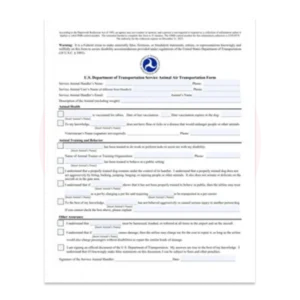
Price range: $15 through $25
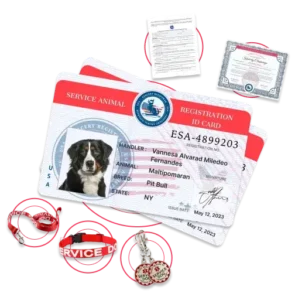
$115
Include 1 year subscription;$50/year thereafter
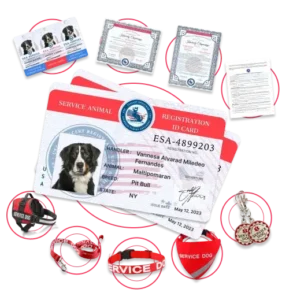
$159
Include 1 year subscription;$50/year thereafter
No. The ADA does not require service dogs to wear any special collar, vest, or identification gear. Collars marked “Service Dog” are voluntary tools that help with quick identification and reduce questions in public, but legal protections come from the handler’s disability and the dog’s training – not from any accessory.
A service dog collar includes visible “Service Dog” text, patch panels, or tags that immediately communicate the dog’s working status. Regular pet collars – whether pink, blue, purple, or any color – typically lack these identification features. Service collars are also often built with sturdier hardware and materials to handle daily working wear.
There’s no official or government-issued collar for service dogs. Many handlers choose collars with identification features because they’re practical: fewer questions from the public, quicker recognition from staff, and a clear signal that the dog is working. Reflective collars enhance visibility during evening outings, which adds a real safety benefit.
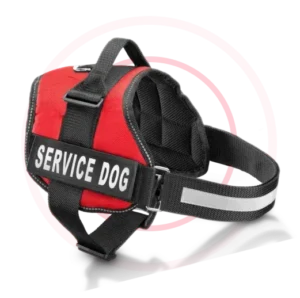
Price range: $22 through $27
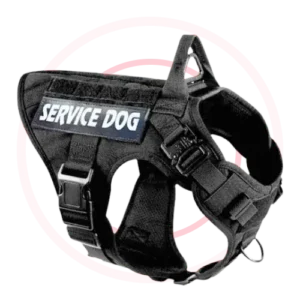
Price range: $60 through $75
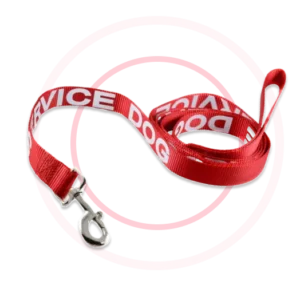
Original price was: $24.$19Current price is: $19.
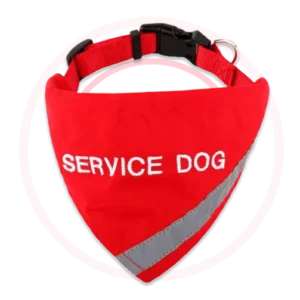
Original price was: $21.$19Current price is: $19.
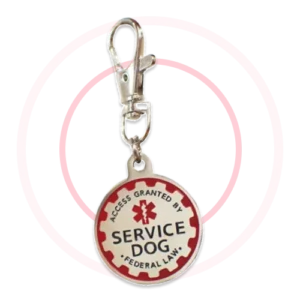
Original price was: $15.$9Current price is: $9.
Price:
Your current registration:
After change, your registration will be:
Your current registration:
will be replaced with:
You have entered the maximum number of characters
You have entered the maximum number of characters
You have entered the maximum number of characters
You have entered the maximum number of characters
You have entered the maximum number of characters
EC-0000001
Oct 3, 2026
-
-
-
-
-
-
You have entered the maximum number of characters
You have entered the maximum number of characters
You have entered the maximum number of characters
You have entered the maximum number of characters
You have entered the maximum number of characters
You have entered the maximum number of characters
You have entered the maximum number of characters
Enter at least 3 characters to search. You have entered:

Maya Patel
|Great collar for my service dog!