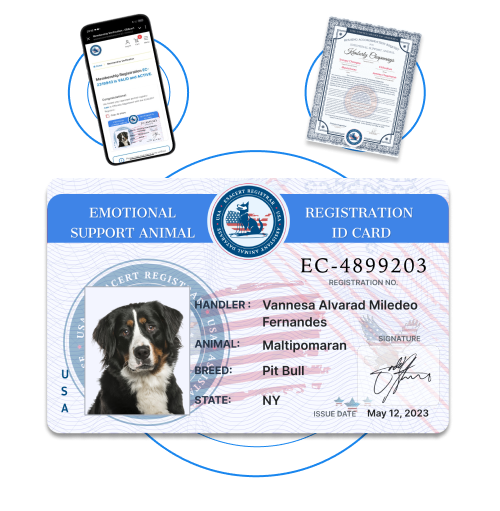
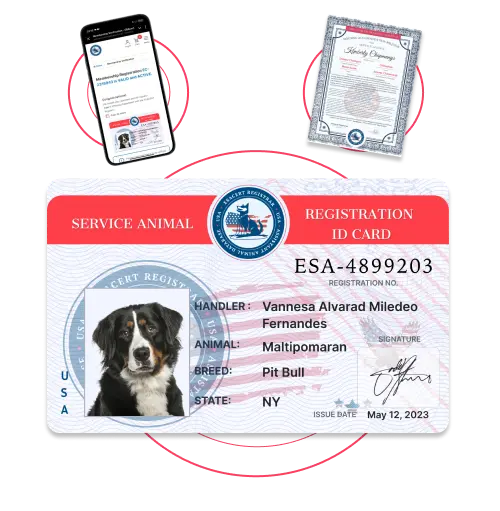
(3)
Spend more to get free priority shipping
Great. You will get complimentary priority shipping for free.
Previous registration has been removed from the cart as only one animal registration is allowed at a one time.

Spend more to get free priority shipping
Great. You will get complimentary priority shipping for free.
Previous registration has been removed from the cart as only one animal registration is allowed at a one time.
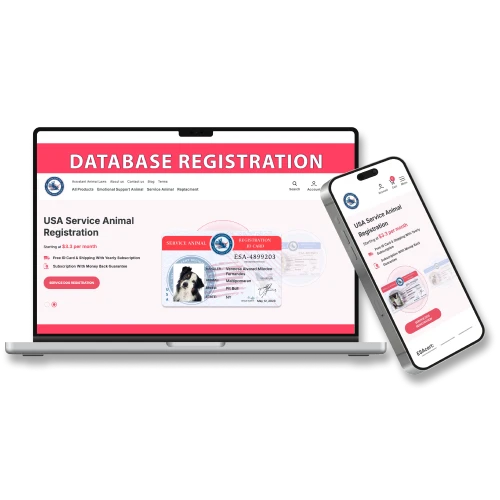
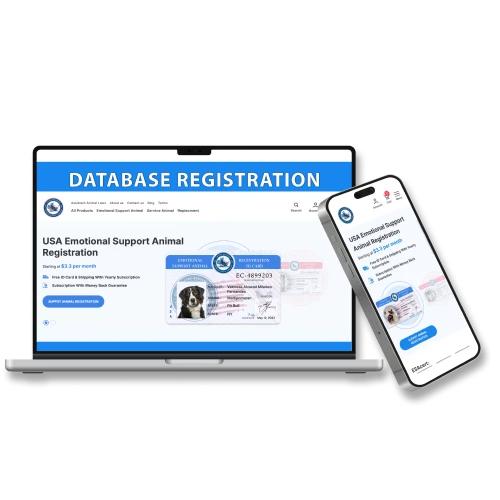
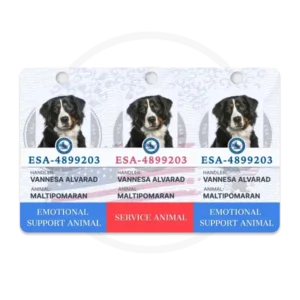
Please note that there is no unified Assistant Animal database registration in the USA.
You cannot verify information from other registrars on the esa-cert.com website
A quality service dog leash keeps your canine companion close, visible, and under reliable control during daily walks and public outings. Whether your dog assists with mobility, guides you through busy streets, or provides task-specific support, the right leash makes everyday interactions smoother – fewer questions from strangers, clear visual identification, and a secure connection you can count on in any environment.
Our assistance dog leashes are crafted from soft, durable materials and attach easily to any collar or harness. Available in several styles – including hands free dog leash options and short traffic leads with a padded handle – each leash fits professionally trained working dogs that perform in varied conditions. You can select the leash length and style that matches your dog’s size, your mobility needs, and the environments you navigate together.
Browse our collection to find the right combination of control, comfort, and durability for your working partnership. Whether you need a standard training lead, a hands free option for active days, or a short traffic leash for crowded environments, each of our service dog leashes is built to make daily life with your canine companion a little easier – and a lot less complicated.
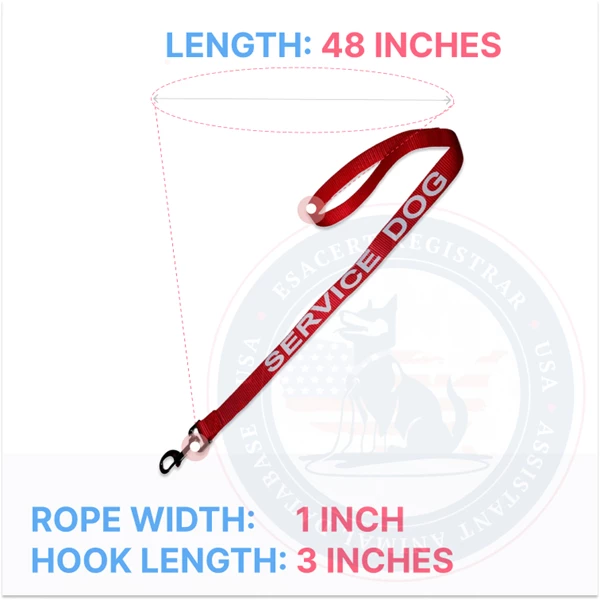
| Characteristic | Details |
|---|---|
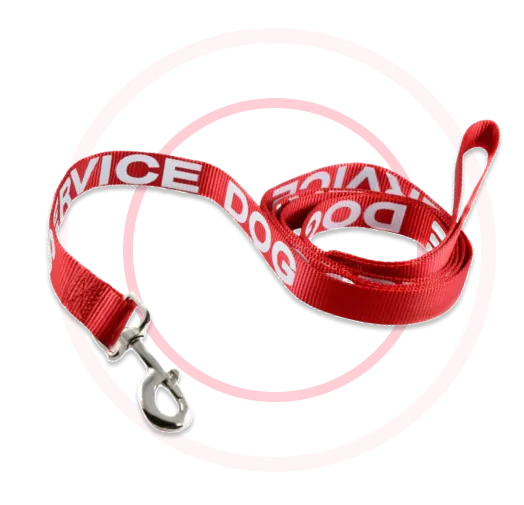
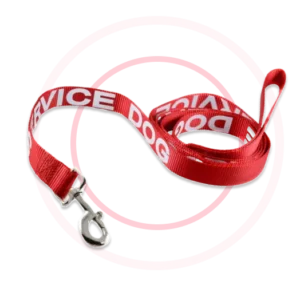
| “SERVICE DOG” Inscription | Yes |
| Color | Red |
| Rope Length | 48 inches |
| Rope Width | 1 inch |
| Hook Length | 3 inches |
Since this design and color are widely accepted (though not mandatory) for service dogs, we only offer the leash in red color.
USPS First Class: 2-6 business days.
Priority Mail: 1-4 business days.
Expedited Shipping: up to 2 business days.
As a registrar, we are not primarily focused on selling accessories, and a 25% restocking fee applies to any returns.
As a seller, we provide a 12-month warranty on the durability of the product.
Service dog leashes break down into a few distinct categories, each shaped by how and where you work with your dog.
A standard leash runs 4–6 feet and covers most public-access situations well. A standard 4 to 6-foot leash offers good control during loose leash walking, heel work, and everyday walks through stores, offices, or transit stations. The best leash length for walking is generally six feet – enough slack for comfort, enough control to keep your dog positioned exactly where you need them. Standard flat leashes are versatile for most activities, making them a good choice for handlers who want one reliable dog training leash for daily use.
Waist worn or cross-body designs free your hands for mobility aids, bags, or other tasks. Hands-free leashes are ideal for hiking and running, and they benefit handlers who use wheelchairs, crutches, or simply need both hands available. Some models include a built-in handle near the clip for moments when direct grip control matters. Hands free options also allow for jogging while maintaining control, and a bungee leash version can absorb shock during sudden pulls – helpful if your dog pulls unexpectedly or you encounter uneven terrain.
Traffic leads are short leashes designed for close control in crowded areas – typically 12–18 inches. They keep your dog right at your side in elevators, on public transit, or along busy sidewalks, reducing the risk of tangling or stepping into hazards. Service dog leashes are typically shorter than regular leashes for better control, and a traffic lead takes that principle to its practical extreme.
Built for handlers with large breeds or dogs requiring maximum control, tactical leashes feature heavy-duty construction, multiple attachment points, and reinforced padded handles. Durable hardware like heavy-duty clips ensures security, and materials such as ballistic nylon webbing with reinforced stitching handle strong pullers and high-stress situations. These leashes suit handlers who need a better option for outdoor adventure work or demanding daily environments.
Working dogs spend long hours on the job, so every feature of their leash matters more than it would for a pet on sniffy walks around the block.
Nylon webbing is lightweight and affordable – a great option for many handlers – though it can fray at stress points over time and may develop odor when wet. Leather offers a classic feel and strong grip that softens with use, but leather leashes should be conditioned when damp to prevent drying and cracking. Biothane (coated polyester) resists water, UV, and odor with minimal maintenance, often lasting years longer than nylon or leather in wet or rough conditions. Choose leashes based on your dog’s size and behavior, and match the material to how often you’ll encounter rain, mud, or heavy daily use.
Handlers hold their leash for extended periods, so a padded handle with ergonomic shaping reduces hand fatigue and prevents blisters. Neoprene or foam padding stays gentle on skin, and textured grip surfaces maintain control even in wet weather. Comfort is especially important during long work days when switching between teaching commands, navigating crowds, and managing transitions.
Metal clips – stainless steel or brass – with spring-loaded gates and swivel heads prevent twisting and keep the collar and leash connection secure. Reinforced stitching at the clip base and handle base protects against wear at high-stress points. Check leashes for loose stitching or broken hardware regularly, and replace leashes if hardware is broken or stitching is damaged. Durable leashes are essential for the safety of service dogs and the people around them.
The right dog leash depends on where and how you work. A 4–6 foot standard leash suits most public access; a 12–18 inch traffic lead handles tight spaces; longer lines (10–15 feet) serve certain training contexts. Different tasks require different levels of freedom – a dog performing retrieval work may need more slack than one guiding a handler through a narrow corridor.
Turning those features into a decision comes down to a few practical questions about your daily routine.
Handler Mobility Needs – If you use a wheelchair, crutches, or need your hands free for other tasks, a hands free leash or cross-body design keeps your dog secure without limiting your independence.
Dog Size and Strength – Larger, stronger dogs need wider webbing, heavier-duty clips, and possibly a tactical leash with multiple attachment points. A puppy or lighter breed may do well with a lightweight nylon option.
Primary Work Environment – Crowded public spaces and transit call for a short traffic lead; open spaces and outdoor adventure routes allow a standard or slightly longer leash length. Reflective materials on service leashes enhance visibility in low-light conditions, which matters for handlers who work early mornings or evenings.
Daily Use Duration – Comfort features – padded grips, shock absorption via a bungee leash, ergonomic handles – matter far more when the leash is in your hand for hours at a time versus brief outings.
Service dog leashes improve safety in public spaces and provide clear visual identification, reducing interruptions and awkward exchanges. High-visibility labels on leashes can reduce public distractions for service dogs, making your outings smoother.
The ADA does not require service dogs to wear any specific gear, vest, collar, or leash – and no registration or certification is mandatory under federal law. Service dogs generally must be on a leash in public unless it interferes with their trained work. Our leashes are voluntary accessories designed for handler convenience, dog’s safety, and practical identification – not legal documents. The legal protections come from the ADA itself and the handler’s disability, not from any product.
Retractable leashes are discouraged for service dogs due to control issues. A fixed-length lead gives you consistent, reliable handling that a retractable mechanism simply cannot match during working situations.
Clean your dog’s leash when it gets dirty – a damp cloth works for most materials. Hang leashes to dry after walking in wet weather and let them air dry fully before storing. Leather leashes should be conditioned when damp to prevent drying, while nylon and Biothane options need only occasional inspection for wear. Check hardware, stitching, and attachment points regularly to keep everything secure.
Legal information on this page reflects federal law as published by the agencies below. Rules can change and state or local law may add protections — check the current text of each source.
Original price was: $22.$20Current price is: $20.
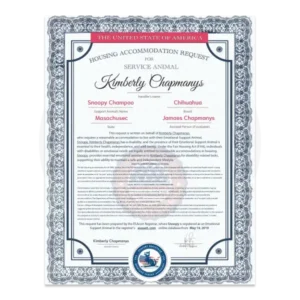
Price range: $17 through $26
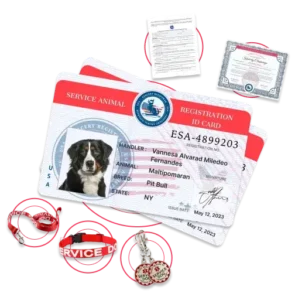
$115
Include 1 year subscription;$50/year thereafter
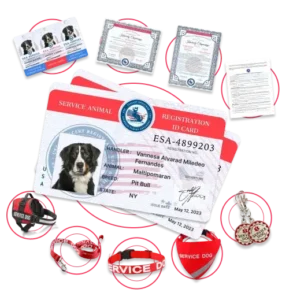
$159
Include 1 year subscription;$50/year thereafter
No. The ADA does not require any specific leash, vest, or identification for service dogs. Our leashes are convenience tools – they provide quick visual identification and practical control, which makes everyday interactions easier. The legal right to have your service dog in public comes from the ADA and your dog’s task training, not from any product.
Most handlers prefer a 4–6 foot leash for daily public access. This leash length supports proper heel position while giving your dog enough freedom to perform trained tasks. In tight or crowded areas, a 12–18 inch traffic lead offers closer control.
Service dogs may work off-leash when a leash would interfere with their trained tasks, or when the handler’s disability prevents using one. In those situations, the dog must remain under voice or signal control at all times.
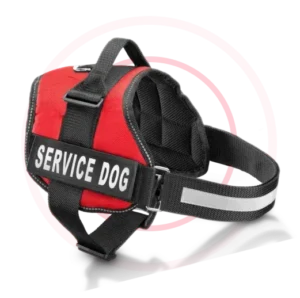
Price range: $22 through $27
Original price was: $24.$19Current price is: $19.
Original price was: $21.$19Current price is: $19.
Original price was: $15.$9Current price is: $9.
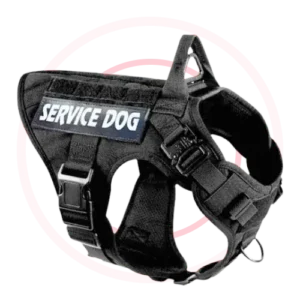
Price range: $60 through $75
No reviews so far—why not start the conversation? Share your experience!
Be the first to review this product! Share your experience with others.

Price:
Your current registration:
After change, your registration will be:
Your current registration:
will be replaced with:
You have entered the maximum number of characters
You have entered the maximum number of characters
You have entered the maximum number of characters
You have entered the maximum number of characters
You have entered the maximum number of characters
EC-0000001
Oct 3, 2026
-
-
-
-
-
-
You have entered the maximum number of characters
You have entered the maximum number of characters
You have entered the maximum number of characters
You have entered the maximum number of characters
You have entered the maximum number of characters
You have entered the maximum number of characters
You have entered the maximum number of characters
Enter at least 3 characters to search. You have entered: