(3)
Spend more to get free priority shipping
Great. You will get complimentary priority shipping for free.
Previous registration has been removed from the cart as only one animal registration is allowed at a one time.

Spend more to get free priority shipping
Great. You will get complimentary priority shipping for free.
Previous registration has been removed from the cart as only one animal registration is allowed at a one time.
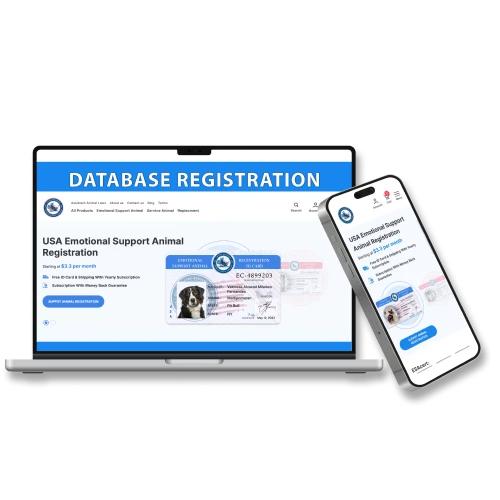
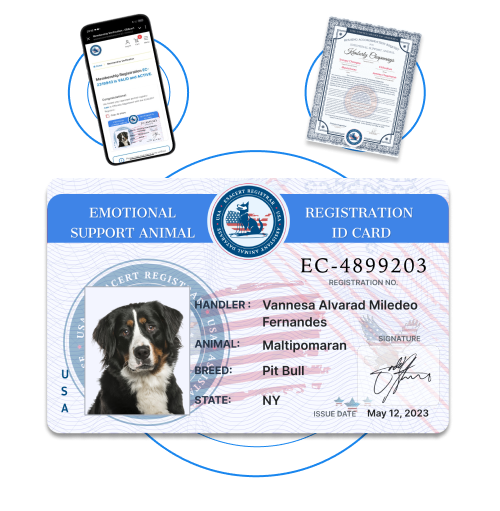
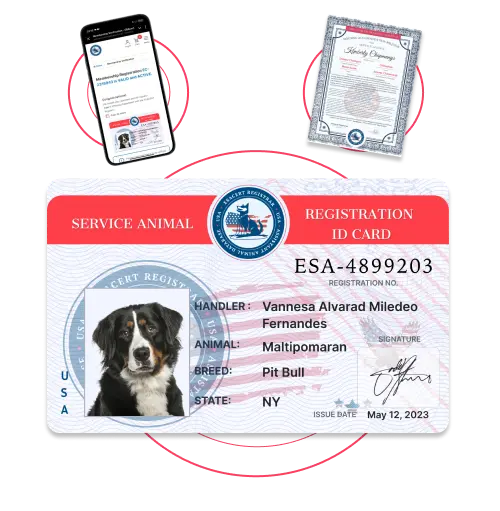
Please note that there is no unified Assistant Animal database registration in the USA.
You cannot verify information from other registrars on the esa-cert.com website

Landlords cannot charge pet fees or deposits for an ESA under FHA rules, but tenants may still be responsible for damage caused by the animal. Clear documentation and communication help prevent disputes and ensure smooth housing accommodation.


Are you wondering if a landlord can charge a pet deposit for an emotional support animal? Emotional support animals give comfort to those with mental health conditions. The short answer changed in 2026: under federal law a deposit waiver is no longer automatic, but several states still require one. This article explains what applies now, and where.
Keep reading to learn more.
Emotional support animals are protected under the Fair Housing Act (FHA) in relation to housing laws. Landlords are obligated to make reasonable adjustments for individuals with emotional support animals, irrespective of pet policies or deposits.
The Fair Housing Act (FHA) makes sure people with emotional support animals (ESAs) do not face housing discrimination. It says landlords must allow ESAs in rental housing, even if they usually say no to pets.
This law helps those with a mental disability by making landlords offer reasonable accommodations for ESAs. These rules apply everywhere, whether a place usually allows pets or has breed limits.
The FHA guarantees equal housing opportunities for individuals with disabilities, ensuring they can live with their emotional support animals.
Whether a landlord may ask for a pet deposit now depends on where you live. Federally, HUD stopped requiring a waiver for untrained emotional support animals on 22 May 2026. Several states did not follow: California, for example, still requires housing providers to waive pet fees for assistance animals whether or not the animal is trained, confirmed by the California Civil Rights Department in Legal Alert CRD 2026-01 of 20 July 2026. Check your own state’s fair-housing agency before agreeing to pay.
To get this protection, the owner must have an emotional support animal letter from a health professional stating the need for their ESA.
Sometimes — and it depends on your state. Until 2026 the answer was a flat no: HUD read the Fair Housing Act as requiring housing providers to waive pet deposits for emotional support animals. That reading was rescinded on 22 May 2026, and HUD now finds cause only where the animal is individually trained. Where state law is silent, a landlord may charge. Where a state has its own protection, the waiver still stands.
If you are asked for a deposit, put the accommodation request in writing and ask the landlord to answer in writing too. That record is what a fair-housing agency will look at first.
Even though landlords can’t charge upfront for emotional support animals, they can still ask tenants to pay if the animal causes damage to the property. So, while your initial move-in might be cheaper without pet deposits, always take care of your living space.
Next up, we’ll talk about what charges are allowed when you have an emotional support animal.
Emotional support animals can be charged cleaning and damage fees. These charges are allowed to ensure that the property is maintained properly.
Landlords can ask for money to fix damages caused by emotional support animals. This means if an animal hurts the property, the person living there must pay to make it right again.
Landlords cannot ask for this money before anything happens. They only charge after seeing damage.
Sometimes animals might mess up a place more than usual. In these cases, landlords can use the security deposit at the end of the lease to cover cleaning and repair costs. Damage charges are assessed after the fact, out of the standard security deposit, in the same way they would be for any tenant.
It showed me that owners need to keep their animals well-behaved and take care of any damage they cause.
Some landlords may deny an emotional support animal if it poses a direct threat to the property or other tenants. Read more about exceptions on our blog.
Landlords have the right to deny housing for emotional support animals if these pets pose a danger or are too destructive. If an animal is aggressive, damages property, causes disturbances, is not taken care of properly, or is hurt by its owner, a landlord can say no.
This includes large animals in small places that do not fit or unusual animals that need special handling.
Landlords must make sure everyone stays safe and comfortable. If an emotional support pet does something harmful or creates problems, they can take action. This means eviction for tenants whose pets don’t follow rules laid out under federal law and health professional guidelines.
To validate your emotional support animal, you need an ESA letter from a mental health professional. The letter should state that you have a mental impairment and require the emotional support animal for psychiatric care.

An ESA letter is essential for emotional support animal owners. It’s issued by a certified mental health professional (LMHP) and validates the necessity for an emotional support animal.
This letter transitions a common pet into an emotional support animal with special privileges. In the absence of this letter, any pronouncements about your pet being an ESA won’t be accepted by landlords.
Obtaining this letter typically involves consulting with an LMHP who comprehends your mental ailment or condition.
They even provide a swift, complimentary online evaluation to assess if you may be eligible for one. Be mindful, regulations in some states stipulate that you must have been in consultation with your LMHP for a minimum of 30 days to receive your ESA letter.
Subsequently, we’ll examine how to manage disputes with landlords about ESAs.
Handling disputes with your landlord about your emotional support animal can be stressful. Here are steps to make it easier.
Keeping the request in writing matters most: a documented accommodation request is the record you would need if the dispute reaches HUD or a state fair-housing agency.
Whether a landlord can ask for a pet deposit for an emotional support animal now depends on your state. Federal enforcement narrowed on 22 May 2026 and no longer requires a waiver for untrained animals; states such as California kept theirs. The right to keep the animal at all is a separate question from the fee, and that right has not changed.
If the animal makes a mess or breaks something, the person might need to pay for that. It helps when people have a letter from health experts about their need for the animal. This keeps things clear between renters and property owners.
An emotional support animal, often a dog, provides comfort to individuals with mental illnesses such as depression or other mental diseases. Mental health professionals like therapists typically provide emotional support animal letters to verify the need for these animals.
Housing is governed by the Fair Housing Act, not the Americans with Disabilities Act. Since 22 May 2026 the FHA no longer guarantees a deposit waiver for an untrained emotional support animal, so the answer depends on your state — some, including California, still require the waiver.
This rule applies broadly but there may be exceptions depending on the type of tenancy or lease agreement in place. It’s advised that tenants consult with an attorney at law to understand their rights fully.
If your landlord refuses your ESA despite having valid documentation from health professionals, you might be able to file a complaint under reasonable accommodation laws meant to protect renters.
Start with HUD’s Office of Fair Housing and Equal Opportunity for the federal position, then your state’s fair-housing agency for anything your state adds on top of it. In California that agency is the Civil Rights Department; most states have an equivalent.

Yes — the animal itself is still protected. What changed on 22 May 2026 is ...
Yes — the animal itself is still protected. What changed on 22 May 2026 is federal enforcement of pet-fee waivers, and the answer now depends on your state. Updated with the California Civil Rights Department alert of 20 July 2026.

Most people don't realize that California's "no pets" policies cannot be ...
Most people don't realize that California's "no pets" policies cannot be used to deny an emotional support animal. Emotional Support Animal Laws in California give you real, enforceable rights. If your landlord is refusing your ESA based on a no-pet clause, they may be violating both federal and state law. This guide breaks down what those ...

Renting with an emotional support animal in Virginia can feel uncertain. ...
Renting with an emotional support animal in Virginia can feel uncertain. Many tenants don't know exactly which laws protect them, and not every landlord makes it easy to find out. Virginia's Fair Housing Law is clear: if you have a documented emotional support animal, your landlord must work with you. This guide covers emotional support ...

Georgia's emotional support animal laws create genuine confusion, even for ...
Georgia's emotional support animal laws create genuine confusion, even for people who have been through the process before. The rules split across federal and state law. The gap between your housing rights and everything else is bigger than most people realize. Your emotional support animal gets strong protections at home. Public spaces and ...

Are you a renter in North Carolina who needs an animal to help with ...
Are you a renter in North Carolina who needs an animal to help with depression or anxiety but fears pet rules or fees? Emotional Support Animal Laws Nc protect tenants under the Fair Housing Act, stop most pet fees, and ban breed and weight limits; Disability Rights North Carolina can help renters. This post will explain housing rights, how ...

Many Texas renters and workers assume their emotional support animal has ...
Many Texas renters and workers assume their emotional support animal has the same legal standing as a service dog. That assumption creates real problems. Emotional support animals do get solid protection under the Fair Housing Act. But those rights are more limited than most people expect, especially after significant legal changes in ...

If your landlord is pushing back on your emotional support animal, the law ...
If your landlord is pushing back on your emotional support animal, the law is on your side in Colorado. The Fair Housing Act gives tenants strong housing protections for ESAs, but these rights have real limits that many people don't discover until they need them most. Most guides stick to the basics. What they often miss are the places where ESA ...

Your landlord just denied your emotional support animal request. That's a ...
Your landlord just denied your emotional support animal request. That's a frustrating situation, and you deserve a clear picture of where you stand legally. The critical distinction most people miss is this: your ESA is not classified as a pet under federal law. The Fair Housing Act treats your emotional support animal as a reasonable ...
Price:
Your current registration:
After change, your registration will be:
Your current registration:
will be replaced with:
You have entered the maximum number of characters
You have entered the maximum number of characters
You have entered the maximum number of characters
You have entered the maximum number of characters
You have entered the maximum number of characters
EC-0000001
Oct 3, 2026
-
-
-
-
-
-
You have entered the maximum number of characters
You have entered the maximum number of characters
You have entered the maximum number of characters
You have entered the maximum number of characters
You have entered the maximum number of characters
You have entered the maximum number of characters
You have entered the maximum number of characters
Enter at least 3 characters to search. You have entered: