(3)
Spend more to get free priority shipping
Great. You will get complimentary priority shipping for free.
Previous registration has been removed from the cart as only one animal registration is allowed at a one time.

Spend more to get free priority shipping
Great. You will get complimentary priority shipping for free.
Previous registration has been removed from the cart as only one animal registration is allowed at a one time.
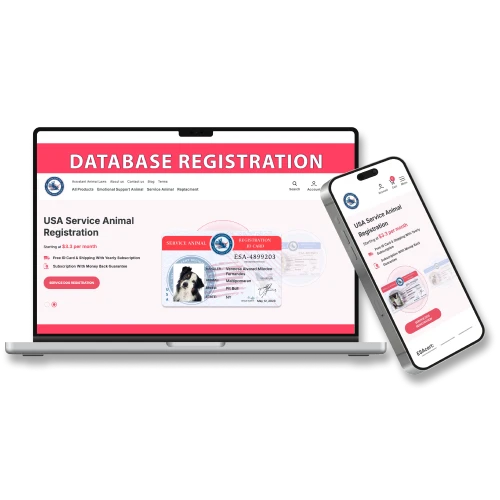
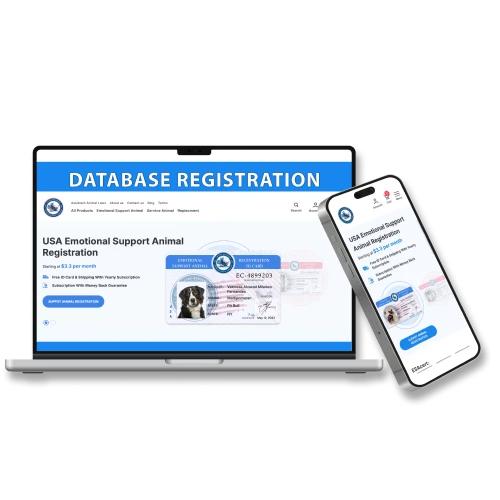
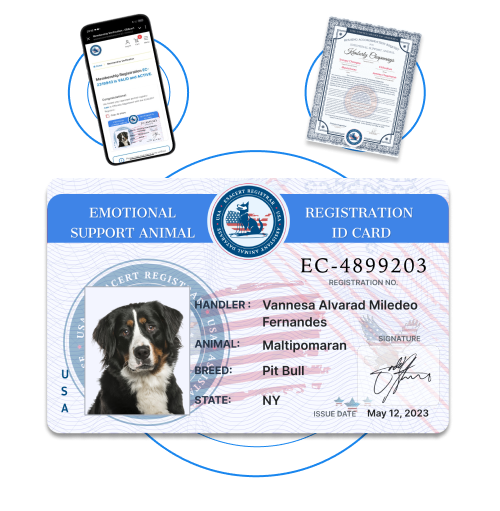
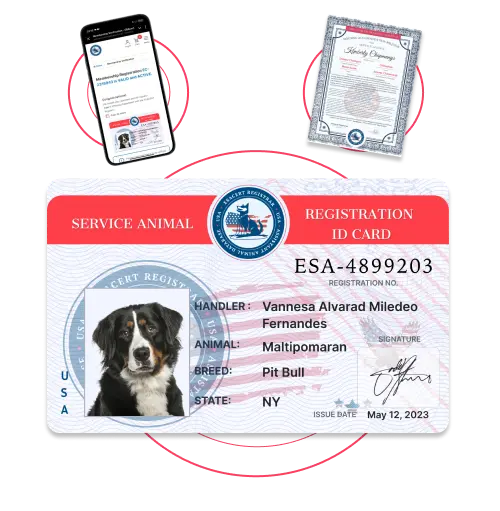
Please note that there is no unified Assistant Animal database registration in the USA.
You cannot verify information from other registrars on the esa-cert.com website

Most people don't realize that California's "no pets" policies cannot be used to deny an emotional support animal. Emotional Support Animal Laws in California give you real, enforceable rights. If your landlord is refusing your ESA based on a no-pet clause, they may be violating both federal and state law. This guide breaks down what those ...


Most people don’t realize that California’s “no pets” policies cannot be used to deny an emotional support animal.
Emotional Support Animal Laws in California give you real, enforceable rights. If your landlord is refusing your ESA based on a no-pet clause, they may be violating both federal and state law.
This guide breaks down what those laws require. You’ll learn what your landlord can and cannot do, and how to get the documentation that holds up legally when it counts.
California protects emotional support animals through two major laws: the Fair Housing Act and the Fair Employment and Housing Act. These laws give tenants real rights when they need an ESA to manage a mental health condition.
The Fair Housing Act protects tenants who need emotional support animals for mental health purposes. This federal law ensures that landlords cannot deny housing to people with disabilities based on their need for an ESA.
Tenants gain the right to live with emotional support animals in properties marked as no-pet housing. Landlords must treat ESAs differently from regular pets under this law. According to official HUD guidelines on assistance animals, housing providers are generally expected to respond to a reasonable accommodation request within 10 days of receiving your documentation. If your landlord goes silent past that point, you have clear grounds to follow up or file a complaint.
The FHA prohibits landlords from charging additional pet rent for tenants with emotional support animals. Security deposits imposed specifically for ESAs are no longer automatically barred and must be raised as an accommodation request.
Tenants may need to provide documentation to support their need for an ESA. A licensed mental health professional can issue an ESA letter that meets Fair Housing Act requirements. Your ESA letter must comply with FHA standards to carry legal weight.
Landlords cannot ask for proof of disability or medical records beyond what the FHA allows. Civil rights protections under this act apply across all states, including housing laws in San Diego, Los Angeles, and San Jose.
Fair housing protects your right to live with your emotional support animal, no matter what the lease says about pets.
California state law goes beyond federal protections through the Fair Employment and Housing Act, commonly called FEHA. This law strengthens your rights as a tenant with an emotional support animal in California.
FEHA protects you from housing discrimination based on disability, which includes your need for an ESA. The Civil Rights Department of the State of California enforces FEHA rules. Landlords must follow FEHA guidelines just as they follow the Americans with Disabilities Act standards.
FEHA prohibits several common landlord practices that would otherwise hurt tenants with ESAs:
Your landlord must accept your ESA regardless of breed or size limitations. According to the Civil Rights Department of the State of California, a landlord can only legally deny a specific ESA if they can prove that the individual animal poses a direct threat to health or safety, or would cause substantial physical damage to the property. That denial must be based on the animal’s actual behavior, not its breed or appearance.
FEHA requires landlords to make reasonable accommodations for tenants with disabilities. Your emotional support animal qualifies as a reasonable accommodation. Proper documentation from a licensed mental health professional validates your need for an ESA under California’s AB-468 law.
Landlords cannot ask invasive questions about your disability or medical history. They cannot demand an ESA certification or an ID card for your animal to prove its legitimacy. Instead, they may request reliable documentation from a mental health professional who has direct knowledge of your situation.
This documentation must follow AB-468 criteria to be valid. Understanding FEHA empowers you to assert your rights and live comfortably with your ESA in California.
California AB-468 sets strict rules for emotional support animals in the state. This law requires mental health professionals to follow specific standards when they write ESA letters for tenants.
AB-468 sets clear rules for emotional support animals in housing. Both landlords and tenants must follow these standards to protect rights and ensure proper documentation.
California law requires sellers and landlords to provide clear notices about emotional support animals before any housing transaction occurs. Licensed mental health professionals must issue ESA letters that meet strict AB-468 standards.
These letters need to contain specific information about the tenant’s disability-related need for the animal. The document must come from a qualified provider who has direct knowledge of the person’s condition. Sellers cannot hide information about ESA policies from buyers or renters during the sales process.
ESA letter regulations demand that mental health experts follow particular guidelines when they document an animal’s necessity. The letter must explain how the animal provides emotional support tied to a diagnosed disability. Professionals cannot simply hand out letters without evaluating the individual’s actual mental health needs.
The letter requires the provider’s license number, credentials, and contact information for verification purposes. Landlords can request this documentation, but they cannot demand medical records or ask invasive questions about the disability itself.
As outlined in California Penal Code § 365.7, fraudulently representing an animal as a qualified assistance animal is a misdemeanor offense carrying penalties of up to six months in jail, a $1,000 fine, or both. Using a fraudulent ESA letter carries serious legal consequences.
California law gives tenants strong rights to keep emotional support animals in rental homes, even when landlords have strict no-pet rules. Landlords must make reasonable housing accommodations under fair housing law, and in California that still includes waiving pet fees and deposits for an assistance animal. HUD narrowed its federal enforcement on 22 May 2026, but the California Civil Rights Department confirmed on 20 July 2026 that the state’s protections under FEHA and the Unruh Civil Rights Act are unaffected.
https://www.youtube.com/watch?v=bnft7PIRY44
The Fair Housing Act (FHA) and the California Fair Employment and Housing Act (FEHA) give tenants strong legal protections for emotional support animals. These federal and state laws classify ESAs as assistance animals, not pets, which means landlords must treat them differently from regular pets.
Tenants have the right to live with emotional support animals in housing that normally prohibits pets. Landlords cannot refuse housing to tenants based on their need for an ESA. These laws protect tenants from discrimination when they disclose their emotional support animal to a landlord.
Landlords must follow strict rules when handling ESA requests:
Tenants must notify landlords about their ESA and provide the necessary documentation. The FHA and FEHA ensure that people with disabilities receive equal access to housing without facing barriers or unfair treatment related to their assistance animals.
HUD rescinded its 2020 assistance-animal guidance on 22 May 2026 and now enforces a pet-policy waiver federally only where the animal has been individually trained. That change does not reach California. In Legal Alert CRD 2026-01 of 20 July 2026 the California Civil Rights Department confirmed that the Fair Employment and Housing Act (Gov. Code §§ 12900–12999) and the Unruh Civil Rights Act (Civ. Code § 51(b)) still require housing providers to accommodate emotional support animals whether or not the animal is trained, and that those accommodations include waiving pet fees (Cal. Code Regs., tit. 2, §§ 12176, 12185).
Your landlord must treat your ESA differently from regular pets. Any monthly fee, pet deposit, or upfront charge tied to your support animal must now be weighed as an individual accommodation request rather than waived automatically. According to HUD’s assistance animal guidelines, however, this protection does not cover the cost of actual physical damage. If your ESA damages the property, you remain fully financially responsible for those repairs. The fee prohibition covers upfront charges, not genuine liability for harm caused.
The key distinction: a waiver of advance charges is no longer automatic and must be requested as an accommodation, and landlords can hold you accountable for any real damage your animal causes to the unit.
This protection applies regardless of whether your lease contains a no-pet policy. Tenants with valid ESA letters have the right to house their animals without paying extra costs beyond standard rent and deposits.
Getting an ESA letter from a licensed mental health professional ensures you receive these legal protections. Your documentation must comply with AB-468 requirements to qualify for fair housing law coverage.
Landlords who refuse even to consider a fee-waiver request, or who deny an ESA outright, may still violate your housing rights. Keep your ESA letter accessible and provide it to your landlord when requesting reasonable accommodations.
Your emotional support animal can live with you in rental properties that normally prohibit pets. The Fair Housing Act protects your right to keep your ESA regardless of breed or size restrictions.
Property owners cannot deny your housing application because you have an emotional support animal. Your ESA gains access to apartments, condos, and houses with strict no-pet policies. This protection applies to all types of rental housing covered under fair housing law.
Your animal does not need special training or certification to qualify for this housing allowance. It simply needs proper documentation from a licensed mental health professional confirming your disability-related need.
In practical terms, here is what this protection means for you:
Your ESA letter from a qualified mental health professional serves as the documentation needed to establish your legitimate need for the animal. This protection ensures tenants with disabilities access equal housing opportunities without financial penalties.
Landlords must follow strict rules about emotional support animals and fair housing law. They cannot ask for medical records, demand proof of disability, or refuse housing based on the animal’s size or breed.
Landlord inquiries about emotional support animals require a careful balance between their rights and tenant protections under California housing laws. Here is what landlords can and cannot ask for regarding emotional support animals.
✔ Permitted inquiries
✘ Prohibited inquiries
⚖ California FEHA key restrictions
📄 AB-468 compliance requirements
Landlords can request reasonable verification through proper channels without crossing into prohibited territory. Pet rent for an emotional support animal is no longer automatically waived; tenants must request the waiver as an accommodation. Security deposits for ESAs are illegal under California law.
Property managers should focus on the functional relationship between tenant and animal. Questions about specific medical details violate fair housing protections. A valid ESA letter satisfies landlord verification requirements. Discrimination based on disability is prohibited under the FHA and FEHA.
California law protects tenants from breed and size discrimination regarding emotional support animals. Landlords cannot refuse housing or charge extra fees based on an animal’s breed, size, or type.
Your landlord has no legal right to reject your ESA because it is a large dog, a specific breed, or any other physical characteristic. The law treats all emotional support animals equally under the Fair Housing Act and FEHA. You keep your ESA in housing that typically prohibits pets, and your landlord must accept it without restrictions based on appearance or size.
The number of emotional support animals you have also falls under legal protection. Your landlord cannot limit how many ESAs you keep if you have valid documentation from a licensed mental health professional. California law recognizes that some individuals need multiple animals for their emotional well-being.
You keep the right to request an accommodation for your ESA, though additional deposits and pet rent are no longer automatically waived. Your housing rights remain strong regardless of whether you have one animal or several animals living with you in your rental unit.
You need a licensed mental health professional to write your ESA letter in California. This professional must follow AB-468 rules and create a document that meets state standards for your emotional support animal.
A licensed mental health professional must evaluate your mental health condition before issuing an emotional support animal letter. California law requires this professional to hold a valid license to practice in the state.
Under AB-468 regulations, the provider must hold an active license specifically in California, the jurisdiction where you live. An out-of-state provider’s letter can be legally rejected by your landlord. This is one of the most common reasons ESA requests get denied, so verify your provider’s California license before moving forward.
The mental health provider must work in an established relationship with you. They cannot simply issue a letter after one brief conversation. Their official letterhead must display their license details and credentials so landlords can verify their legitimacy.
To be valid under AB-468, your ESA letter must include:
Your mental health professional documents how the animal helps manage your diagnosed condition through their clinical assessment. They confirm the therapeutic relationship exists and that they have direct knowledge of your mental health needs.
Landlords can verify this information through California’s licensing boards. A valid ESA letter from a qualified mental health provider gives you strong legal protection against housing discrimination and pet-related fees or deposits.
California’s AB-468 law sets strict rules for emotional support animal letters. You must follow these specific criteria to get valid ESA documentation.
Understanding your rights as an ESA tenant in California puts you in control of your housing situation. The federal Fair Housing Act and California’s Fair Employment and Housing Act work together to protect you from unfair pet policies.
Your landlord cannot reject your emotional support animal based on breed or size, and must consider any fee-waiver request individually. Getting a valid ESA letter from a California-licensed mental health professional, one who has an established relationship with you, gives you the documentation needed to enforce these protections.
Take action today by learning your specific rights, gathering your paperwork, and standing firm against housing discrimination that violates fair housing principles.
California tenants have the right to live with their emotional support animals in housing, even in buildings with no-pet policies, under the federal Fair Housing Act. Landlords must provide reasonable accommodations, and pet deposits or fees for ESAs are now waived only on an individual, documented basis. You can get an ID card for your ESA online at ESA-Cert.com to help document your animal’s status.
The Air Carrier Access Act once protected ESA owners who travel by air, but the Department of Transportation revised the rules in December 2020. Most airlines now treat emotional support animals as regular pets, so check with your airline before booking.
Yes, a licensed mental health professional from a practice like Yoffe Therapy, Inc. can write a valid ESA letter for California tenants. Under California Health and Safety Code § 122318 the professional must hold a valid California license and have an established client relationship of at least 30 days before issuing an ESA letter.
Tenants can request ESA documents in accessible formats like PDFs that comply with the PDF/UA Universal Accessibility Schema. These formats, often created with tools like Adobe InDesign and the Adobe PDF Library, make documents easier to read for people with disabilities.

Yes — the animal itself is still protected. What changed on 22 May 2026 is ...
Yes — the animal itself is still protected. What changed on 22 May 2026 is federal enforcement of pet-fee waivers, and the answer now depends on your state. Updated with the California Civil Rights Department alert of 20 July 2026.

Renting with an emotional support animal in Virginia can feel uncertain. ...
Renting with an emotional support animal in Virginia can feel uncertain. Many tenants don't know exactly which laws protect them, and not every landlord makes it easy to find out. Virginia's Fair Housing Law is clear: if you have a documented emotional support animal, your landlord must work with you. This guide covers emotional support ...

Georgia's emotional support animal laws create genuine confusion, even for ...
Georgia's emotional support animal laws create genuine confusion, even for people who have been through the process before. The rules split across federal and state law. The gap between your housing rights and everything else is bigger than most people realize. Your emotional support animal gets strong protections at home. Public spaces and ...

Are you a renter in North Carolina who needs an animal to help with ...
Are you a renter in North Carolina who needs an animal to help with depression or anxiety but fears pet rules or fees? Emotional Support Animal Laws Nc protect tenants under the Fair Housing Act, stop most pet fees, and ban breed and weight limits; Disability Rights North Carolina can help renters. This post will explain housing rights, how ...

Many Texas renters and workers assume their emotional support animal has ...
Many Texas renters and workers assume their emotional support animal has the same legal standing as a service dog. That assumption creates real problems. Emotional support animals do get solid protection under the Fair Housing Act. But those rights are more limited than most people expect, especially after significant legal changes in ...

If your landlord is pushing back on your emotional support animal, the law ...
If your landlord is pushing back on your emotional support animal, the law is on your side in Colorado. The Fair Housing Act gives tenants strong housing protections for ESAs, but these rights have real limits that many people don't discover until they need them most. Most guides stick to the basics. What they often miss are the places where ESA ...

Your landlord just denied your emotional support animal request. That's a ...
Your landlord just denied your emotional support animal request. That's a frustrating situation, and you deserve a clear picture of where you stand legally. The critical distinction most people miss is this: your ESA is not classified as a pet under federal law. The Fair Housing Act treats your emotional support animal as a reasonable ...

Can You Have More Than One Emotional Support Animal is a common question ...
Can You Have More Than One Emotional Support Animal is a common question for people with anxiety, PTSD, or depression. Federal law, the Fair Housing Act (FHA) and the U.S. Department of Housing and Urban Development let people ask for reasonable accommodation for emotional support animals (ESAs). This post will show how to get an esa letter from ...
Price:
Your current registration:
After change, your registration will be:
Your current registration:
will be replaced with:
You have entered the maximum number of characters
You have entered the maximum number of characters
You have entered the maximum number of characters
You have entered the maximum number of characters
You have entered the maximum number of characters
EC-0000001
Oct 3, 2026
-
-
-
-
-
-
You have entered the maximum number of characters
You have entered the maximum number of characters
You have entered the maximum number of characters
You have entered the maximum number of characters
You have entered the maximum number of characters
You have entered the maximum number of characters
You have entered the maximum number of characters
Enter at least 3 characters to search. You have entered: