














(3)
Spend more to get free priority shipping
Great. You will get complimentary priority shipping for free.
Previous registration has been removed from the cart as only one animal registration is allowed at a one time.
$97
Spend more to get free priority shipping
Great. You will get complimentary priority shipping for free.
Previous registration has been removed from the cart as only one animal registration is allowed at a one time.
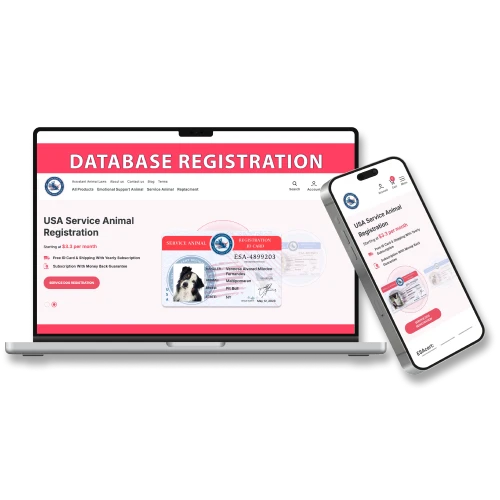
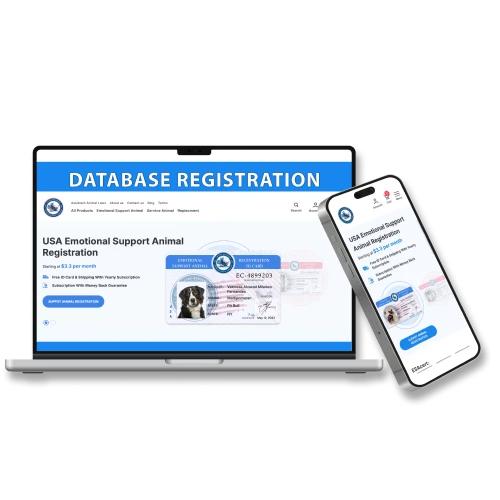
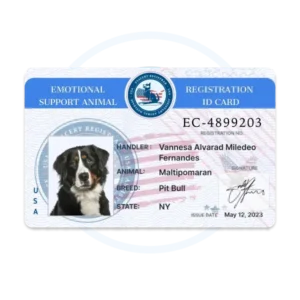
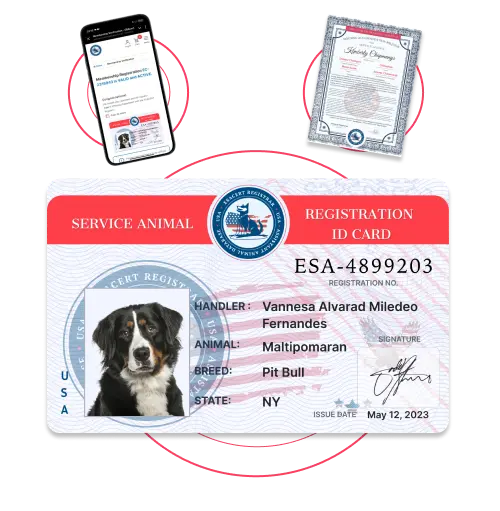
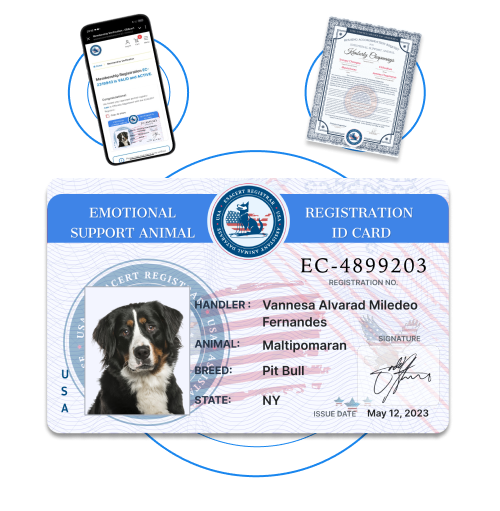
Please note that there is no unified Assistant Animal database registration in the USA.
You cannot verify information from other registrars on the esa-cert.com website

Are you a renter in North Carolina who needs an animal to help with depression or anxiety but fears pet rules or fees? Emotional Support Animal Laws Nc protect tenants under the Fair Housing Act, stop most pet fees, and ban breed and weight limits; Disability Rights North Carolina can help renters. This post will explain housing rights, how ...


Are you a renter in North Carolina who needs an animal to help with depression or anxiety but fears pet rules or fees?
Emotional Support Animal Laws Nc protect tenants under the Fair Housing Act, stop most pet fees, and ban breed and weight limits; Disability Rights North Carolina can help renters.
This post will explain housing rights, how to get an ESA letter from a licensed mental health professional, travel rules under the Air Carrier Access Act, and when the Americans with Disabilities Act matters.
Read on to learn what landlords and tenants must do.
On 22 May 2026 HUD rescinded its 2020 assistance-animal guidance and now finds cause on a pet-policy waiver only where the animal has been individually trained to perform a disability-related task. That is a change in how HUD enforces the Fair Housing Act, not a change to the Act itself: the FHA has not been amended, the existing court decisions still stand, and a tenant can still bring a private lawsuit. State law is untouched as well. Our full breakdown of the 2026 HUD change covers what it does and does not do, state by state. North Carolina’s State Fair Housing Act prohibits disability discrimination in housing and requires reasonable accommodation. Before you agree to pay a pet fee — or, if you are a housing provider, before you charge one — confirm the current position with the North Carolina Human Relations Commission.
Emotional support animals have legal protection in North Carolina under the federal Fair Housing Act. The FHA requires landlords to give reasonable accommodation to tenants with qualifying psychiatric disabilities documented in the Diagnostic and Statistical Manual of Mental Disorders.
Tenants may keep ESAs in no-pet housing as a reasonable accommodation, though pet fees and deposits are no longer automatically waived. Landlords may not set breed or weight limits for ESAs.
ESAs do not get public access rights under the Americans with Disabilities Act like service animals or psychiatric service dogs. Disability Rights North Carolina helps renters in Charlotte, Raleigh, and statewide understand ESA rules and how to register ESA online or get a valid ESA letter.
Some owners use an ESA vest, but that does not change legal rights. Airlines and air travel rules under the ACAA treat emotional support animals differently than assistance animals or therapy animals, and carriers set policies about which animals are pettable in cabins.
Many renters want to know how emotional support animals can live with them in their homes. State and federal laws offer safeguards for people who have an ESA letter from a mental health provider, making it easier to find pet-friendly apartments or rental houses.
Landlords must allow Emotional Support Animals in “no-pet” housing. They cannot refuse ESAs. Tenants may request that pet fees or deposits be waived for their support animals, but the waiver is no longer automatic. The Fair Housing Act requires landlords to provide reasonable accommodations if a tenant has a mental or emotional disability.
Breed and weight restrictions are not permitted for ESAs. Landlords need to be aware of their rights and responsibilities regarding ESAs. Failure to comply can lead to legal issues for landlords.
Disability Rights North Carolina advocates for tenants’ rights, ensuring they receive the assistance they need with their emotional support animals.
Emotional support animals (ESAs) provide comfort and companionship to those in need. In North Carolina, specific rules protect ESA rights for renters.
These protections ensure that individuals with emotional support animals have fair access to housing in North Carolina without unnecessary barriers.
In North Carolina, employers must consider requests for emotional support animals at work. There are limits to what they can require and how they handle these requests.
Emotional support animals (ESAs) can help people with mental health issues. They provide comfort and support. Here are the accommodations and limitations for ESAs in the workplace.
Understanding these aspects can help both employees and employers navigate ESA needs in the workplace effectively while keeping the focus on mental health support through proper channels like psychiatric service animals when needed.
Airlines in North Carolina have their own rules about emotional support animals. It’s key to check these policies before you book your flight.
Traveling with an emotional support animal (ESA) can be tricky. Knowing the rules helps make it easier.
Understanding these airline policies can simplify your travels with your ESA in North Carolina. Proper planning helps ensure smooth trips for you and your pet while providing essential pet care along the way.
To get a real ESA letter in North Carolina, you need to see a licensed mental health professional. They must assess your needs and write the letter if they find it appropriate. This letter is key for protecting your rights as an ESA owner.
Keep reading to learn more about the steps involved!
A valid Emotional Support Animal (ESA) letter is essential for pet owners. It helps them enjoy the benefits of having an ESA. Here are the requirements for obtaining an ESA letter.
Moving on to who can issue an ESA letter. A licensed mental health professional can provide this letter. This includes psychologists, psychiatrists, and therapists. They must be familiar with your emotional or psychological needs.
The ESA letter must state that you have a disability and need the animal for support. Each professional may have different requirements to approve the letter.
Emotional Support Animals play an important role in helping people feel better. In North Carolina, renters can live with their ESAs in places that usually do not allow pets. Landlords must follow the Fair Housing Act, and since HUD rescinded its 2020 assistance-animal guidance on 22 May 2026 any fee waiver for these animals is assessed individually.
It is crucial for pet owners to understand their rights and know how to get proper ESA letters. Knowing these laws helps ensure a safe home for both tenants and their furry friends.
In North Carolina, federal law protects renters who need an Emotional Support Animal. The Fair Housing Act lets people with disabilities keep an ESA even if a landlord has a pet ban. Renters must give a valid letter from a licensed health professional. Landlords can ask for documentation but not private medical records. Landlords must consider a reasonable accommodation request, and a pet-fee waiver is now decided case by case for ESAs.
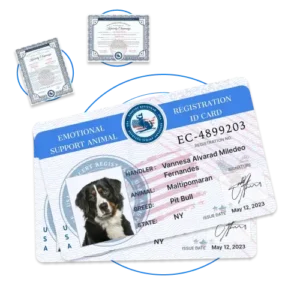
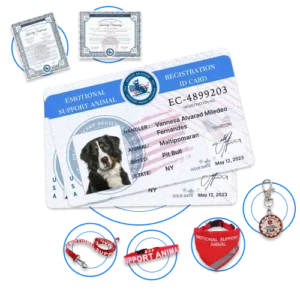
You need a letter from a licensed health professional that says you have a disability and need the Emotional Support Animal. HUD guidance supports these letters. There is no national ESA certificate or official registry that landlords must accept. Keep a clear copy for your housing file.
A landlord can deny an ESA only in limited cases. They can refuse if the animal is dangerous or would cause serious damage. They can refuse if allowing the animal creates an undue burden or direct threat. In most cases, the landlord must work with the renter under the Fair Housing Act.
A service animal is trained to do tasks for a person with a disability and has public access under the ADA. An Emotional Support Animal gives comfort and has housing protection under the Fair Housing Act. ESAs do not get the same public access as service animals. Renters and pet owners should follow the rules for each type.

Yes — the animal itself is still protected. What changed on 22 May 2026 is ...
Yes — the animal itself is still protected. What changed on 22 May 2026 is federal enforcement of pet-fee waivers, and the answer now depends on your state. Updated with the California Civil Rights Department alert of 20 July 2026.

Most people don't realize that California's "no pets" policies cannot be ...
Most people don't realize that California's "no pets" policies cannot be used to deny an emotional support animal. Emotional Support Animal Laws in California give you real, enforceable rights. If your landlord is refusing your ESA based on a no-pet clause, they may be violating both federal and state law. This guide breaks down what those ...

Renting with an emotional support animal in Virginia can feel uncertain. ...
Renting with an emotional support animal in Virginia can feel uncertain. Many tenants don't know exactly which laws protect them, and not every landlord makes it easy to find out. Virginia's Fair Housing Law is clear: if you have a documented emotional support animal, your landlord must work with you. This guide covers emotional support ...

Georgia's emotional support animal laws create genuine confusion, even for ...
Georgia's emotional support animal laws create genuine confusion, even for people who have been through the process before. The rules split across federal and state law. The gap between your housing rights and everything else is bigger than most people realize. Your emotional support animal gets strong protections at home. Public spaces and ...

Many Texas renters and workers assume their emotional support animal has ...
Many Texas renters and workers assume their emotional support animal has the same legal standing as a service dog. That assumption creates real problems. Emotional support animals do get solid protection under the Fair Housing Act. But those rights are more limited than most people expect, especially after significant legal changes in ...

If your landlord is pushing back on your emotional support animal, the law ...
If your landlord is pushing back on your emotional support animal, the law is on your side in Colorado. The Fair Housing Act gives tenants strong housing protections for ESAs, but these rights have real limits that many people don't discover until they need them most. Most guides stick to the basics. What they often miss are the places where ESA ...

Your landlord just denied your emotional support animal request. That's a ...
Your landlord just denied your emotional support animal request. That's a frustrating situation, and you deserve a clear picture of where you stand legally. The critical distinction most people miss is this: your ESA is not classified as a pet under federal law. The Fair Housing Act treats your emotional support animal as a reasonable ...

Can You Have More Than One Emotional Support Animal is a common question ...
Can You Have More Than One Emotional Support Animal is a common question for people with anxiety, PTSD, or depression. Federal law, the Fair Housing Act (FHA) and the U.S. Department of Housing and Urban Development let people ask for reasonable accommodation for emotional support animals (ESAs). This post will show how to get an esa letter from ...
Price:
Your current registration:
After change, your registration will be:
Your current registration:
will be replaced with:
You have entered the maximum number of characters
You have entered the maximum number of characters
You have entered the maximum number of characters
You have entered the maximum number of characters
You have entered the maximum number of characters
EC-0000001
Sep 20, 2026
-
-
-
-
-
-
You have entered the maximum number of characters
You have entered the maximum number of characters
You have entered the maximum number of characters
You have entered the maximum number of characters
You have entered the maximum number of characters
You have entered the maximum number of characters
You have entered the maximum number of characters
Enter at least 3 characters to search. You have entered: