

















(3)
Spend more to get free priority shipping
Great. You will get complimentary priority shipping for free.
Previous registration has been removed from the cart as only one animal registration is allowed at a one time.
$97
Spend more to get free priority shipping
Great. You will get complimentary priority shipping for free.
Previous registration has been removed from the cart as only one animal registration is allowed at a one time.
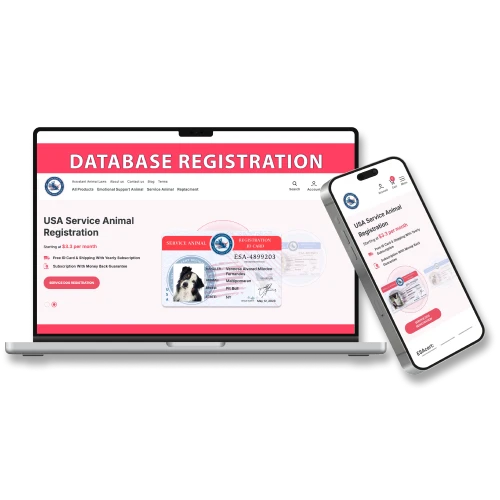
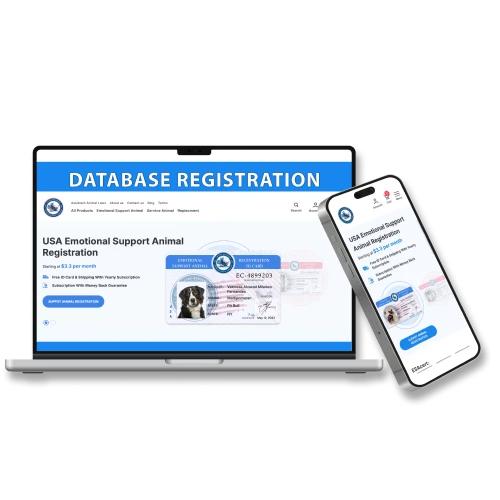
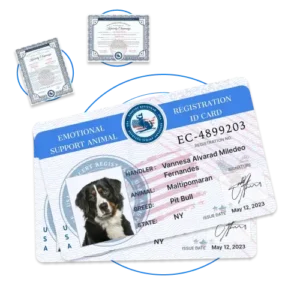
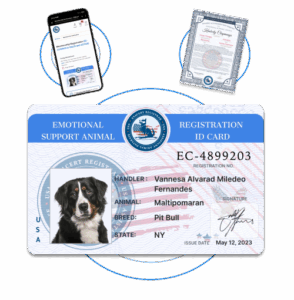
Please note that there is no unified Assistant Animal database registration in the USA.
You cannot verify information from other registrars on the esa-cert.com website

Can A Landlord Deny An Emotional Support Animal is a question many renters face today. The Fair Housing Act protects most tenants with emotional support animals, but there are exceptions. This post will explain when landlords can say no to an ESA and the rules both sides must follow. Keep reading to find out if your situation fits these ...


Can A Landlord Deny An Emotional Support Animal is a question many renters face today. The Fair Housing Act protects most tenants with emotional support animals, but there are exceptions.
This post will explain when landlords can say no to an ESA and the rules both sides must follow. Keep reading to find out if your situation fits these laws.
Emotional Support Animals (ESAs) have special rights under the Fair Housing Act. This law helps people with mental health issues keep their ESAs in rental homes, even if pets are not allowed.
The Fair Housing Act (FHA) became law in 1968. It protects people from housing discrimination based on race, color, religion, sex, disability, family status, or national origin. Landlords must give equal opportunity to renters with mental health conditions and disabilities.
This means rules about pets or companion animals cannot block someone who needs an emotional support animal (ESA). The FHA applies to most homes and apartment complexes in the United States.
“The Fair Housing Act is clear: disability-related discrimination in housing is illegal,” explains Jennifer Martinez, a fair housing attorney with over 15 years of experience. “When a tenant has a legitimate need for an emotional support animal documented by a licensed professional, landlords must provide reasonable accommodations. A blanket ‘no pets’ policy cannot override federal disability protections.”
Landlords have to offer reasonable accommodations for tenants who need an ESA under the FHA. “A landlord may not refuse a tenant housing because of their need for a service animal,” writes HUD guidance.
The FHA covers both service animals and ESAs if they help with a mental disorder or other condition that limits life activities. Some places like owner-occupied buildings with four units or less may not follow these rules as strictly.
Knowing your rights under this act is important before learning about legal reasons for denying an ESA.
Tenants with emotional support dogs or other ESAs can live with their animals even if a lease or rental agreement has a no-pets rule. The Fair Housing Act protects people with a mental disability who have an ESA letter from a licensed mental health professional.
Landlords must allow ESAs in condos, apartments, and homes unless there is a big risk to property or safety.
Sarah Thompson, a tenant rights advocate, emphasizes: “Tenants with properly documented ESAs have powerful legal protections. This isn’t about getting around pet policies—it’s about ensuring people with disabilities can access housing with the support they need. Landlords who understand this avoid costly legal disputes.”
No extra pet fees can be charged for approved emotional support animals under federal law. This includes pit bulls, dobermans, and other breeds often banned by rental agreements. Landlords cannot ask for detailed medical records but may request proof of the ESA letter signed by qualified professionals.
These rights help tenants get fair access to housing as they manage an emotional disorder with help from their therapy dog or psychiatric animal.
| Right | What It Means | Landlord Limitation |
|---|---|---|
| ESA in No-Pets Housing | Tenants can keep ESAs even with “no pets” policies | Cannot enforce blanket pet bans against legitimate ESAs |
| No Pet Deposits/Fees | Landlords cannot charge pet deposits or monthly pet fees for ESAs | Can only charge for actual documented damages |
| Breed Protection | Breed, size, and weight restrictions don’t apply to ESAs | Cannot deny based on breed stereotypes or appearance |
| Privacy Protection | Medical details remain private; only need ESA letter confirmation | Cannot request detailed medical records or diagnosis specifics |
| Reasonable Accommodation | Landlords must make reasonable changes to policies | Must accommodate unless it creates undue hardship |
Landlords can deny an emotional support animal for certain reasons. They may do this if the animal poses a direct threat to health or safety.
“The key word is ‘legitimate,'” notes Michael Chen, a property management consultant specializing in fair housing compliance. “Landlords can’t deny ESAs based on assumptions, stereotypes, or general discomfort. They need specific, documented evidence that the particular animal poses a direct threat or creates an undue burden. Vague concerns don’t meet the legal standard.”
A landlord may deny an emotional support animal if it causes a direct threat to the health or safety of others. For example, if the ESA has attacked people, bitten someone, or shown aggression that cannot be managed, this risk can justify denial under the Fair Housing Act (FHA).
Landlords must rely on specific facts like past incidents or detailed reports from professionals—not just fears or stereotypes.
An ESA with a history of spreading disease or harming property could also count as a direct threat. The Americans with Disabilities Act (ADA) and FHA require looking at each case before making a decision.
Owners should provide proper ESA letters from mental health professionals to show their need for support animals; yet those needs do not outweigh real threats proven by evidence.
Property damage risks can be a valid reason for denying an emotional support animal. Landlords must consider the potential harm to their property. If an ESA poses a threat of significant damage, they may make their decision based on that risk.
For example, large dogs might scratch floors or chew furniture. They could also cause issues with plumbing if not properly trained. In such cases, landlords can ask for proof of insurance covering any damages caused by the ESA.
This helps protect both tenants and owners while maintaining safety in rental properties.
“A landlord can deny an ESA if it causes significant property damage risks.”
A landlord can deny an emotional support animal (ESA) if it causes undue financial or administrative burden. This means the cost of keeping the ESA could be too high for the landlord.
For example, if a specific breed needs special care or training that requires extra money, this can factor in.
Landlords must also look at how much time and effort it takes to manage an ESA. If dealing with the ESA creates problems for their other tenants or property management, they might have valid reasons to say no.
Legal action may arise if a tenant feels discriminated against, so it’s important for both sides to understand their rights clearly under laws like the Fair Housing Act (FHA).
| Valid Reason | Required Evidence | Examples | NOT Valid |
|---|---|---|---|
| Direct Threat to Health/Safety | Specific documented incidents, professional assessments | History of attacks, aggressive behavior, disease transmission | Breed stereotypes, general fear, assumptions |
| Significant Property Damage | Evidence of actual damage or high likelihood based on history | Previous destruction, inability to be housebroken | Concern about size alone, potential scratches |
| Undue Financial Burden | Specific costs exceeding reasonable accommodation threshold | Major structural modifications, excessive insurance costs | Standard cleaning, minor repairs, regular maintenance |
| Fundamentally Alters Nature of Housing | Evidence that accommodation changes core housing operations | Animal incompatible with housing type (farm animal in apartment) | Inconvenience, personal preference |
Certain rules about emotional support animals (ESAs) allow exceptions for breed, size, or weight. The Fair Housing Act (FHA) supports ESAs and gives tenants rights. Landlords cannot reject an ESA just because of these factors.
This means if a tenant has a valid ESA certificate, they may keep their animal regardless of its type.
Attorney Amanda Foster clarifies: “Federal law is explicit on this point: breed, size, and weight restrictions that apply to pets do not apply to emotional support animals. A landlord can’t say ‘no pit bulls’ or ‘no dogs over 25 pounds’ when it comes to legitimate ESAs. Each animal must be evaluated individually based on its actual behavior, not its appearance or breed.”
Some breeds may seem risky to landlords due to past behaviors. Still, the law requires them to focus on the handler’s need instead of stereotypes. This expectation helps those who rely on emotional support from their animals.
Next, documentation plays a crucial role in this process for both parties involved.
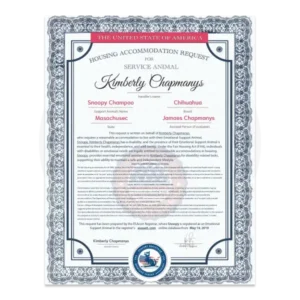
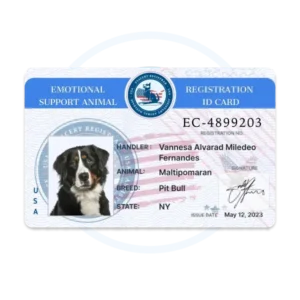
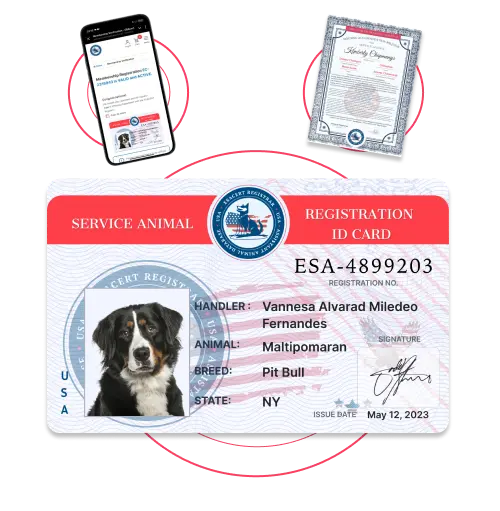
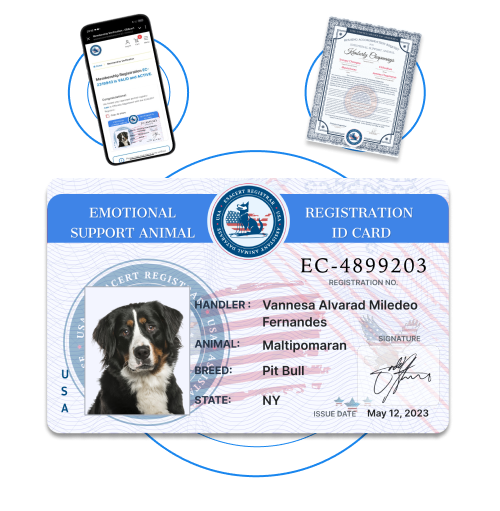
A valid ESA letter and ID card is key for tenants, as it shows the need for an emotional support animal. Landlords can ask for this letter but cannot demand details about a tenant’s mental health.
Want to learn more about the rules around ESAs?
A valid ESA letter is crucial for tenants who need emotional support animals. This letter proves the need for an animal due to a mental health condition. It must come from a licensed mental health professional.
Without it, landlords may deny access to ESAs.
Landlords often want proof when someone requests an ESA. A proper letter helps ensure that right under the Fair Housing Act is respected. Tenants can avoid conflicts of interest with clear documentation from their healthcare provider.
Valid letters help protect the rights of tenants and clarify what landlords can ask about ESAs. Next, we will discuss what landlords can or cannot ask regarding these animals.
Landlords can ask for certain information about an Emotional Support Animal (ESA). They may request documentation that shows the tenant needs the animal for emotional support. Tenants must provide a valid ESA letter from a licensed mental health professional.
This letter should state that the tenant has a disability and requires the support of an animal.
Landlords cannot ask detailed questions about the tenant’s disability. They cannot require personal medical records or any private conversations with health providers. Questions about breed, size, or weight restrictions also do not apply to ESAs under federal law.
If landlords want to know more, they must stick to what is allowed by laws like the Fair Housing Act (FHA) and Americans with Disabilities Act (ADA).
| Landlords CAN Ask For | Landlords CANNOT Ask For |
|---|---|
| Valid ESA letter from licensed professional | Specific diagnosis or detailed medical records |
| Confirmation that tenant has disability-related need | Description of disability symptoms or severity |
| Verification of provider’s license/credentials | Private communications with healthcare provider |
| That letter is current and written for this tenant | Why this specific animal vs. another type of support |
| Confirmation animal provides emotional support | Proof of animal training or certification |
| Required Component | Purpose |
|---|---|
| Licensed professional’s letterhead | Verifies legitimacy of source |
| Professional’s license number and contact info | Allows verification of credentials |
| Statement of tenant’s disability | Establishes FHA protection qualification |
| Statement that ESA helps with disability | Shows necessity of accommodation |
| Professional’s signature and date | Confirms current therapeutic relationship |
| Statement that letter is for housing purposes | Clarifies intended use |
Tenants have rights regarding emotional support animals. If a request for an ESA is denied, here are steps to take.
These steps can help you advocate for your rights as a tenant with an ESA effectively while addressing potential challenges in seeking approval from landlords.
“Documentation is your best friend when facing ESA denial,” advises Robert Williams, a housing discrimination attorney. “Keep copies of everything—your ESA letter, correspondence with your landlord, denial notices, and any evidence that contradicts their stated reasons. If the denial is unlawful, this documentation becomes crucial in filing complaints or legal actions.”
| Step | Action | Timeline | Resources |
|---|---|---|---|
| 1. Document Everything | Save all letters, emails, ESA documentation, denial notices | Immediately | Create organized file with dates |
| 2. Request Written Explanation | Ask landlord for specific written reasons for denial | Within 3-5 days | Email or certified mail |
| 3. Review Documentation | Verify ESA letter meets all legal requirements | Within 1 week | Consult ESA letter checklist |
| 4. Attempt Resolution | Contact landlord with corrected/additional documentation | Within 2 weeks | Professional, written communication |
| 5. File Complaint | Submit complaint to HUD or local fair housing agency | Within 1 year of discrimination | HUD website or phone: 1-800-669-9777 |
| 6. Seek Legal Counsel | Consult attorney specializing in housing discrimination | As soon as possible | Legal aid, tenant rights organizations |
| 7. Consider Legal Action | File lawsuit if warranted and other options exhausted | Varies by situation | Attorney guidance required |
Landlords can deny an emotional support animal if they have valid reasons. A direct threat to health or safety is one reason. They may also cite risks of damage to property or high costs involved.
Tenants need proper documentation, like a valid ESA letter, to support their request. If a request gets denied wrongly, tenants can take steps to challenge this decision and protect their rights.
| Topic | Key Information |
|---|---|
| Legal Protection | Fair Housing Act (1968) protects ESA rights; applies to most US housing |
| Valid Denial Reasons | Direct threat to health/safety, significant property damage, undue burden (must be documented) |
| Invalid Denial Reasons | Breed, size, weight restrictions; stereotypes; general pet policies; personal preference |
| Required Documentation | Valid ESA letter from licensed mental health professional; must confirm disability and need |
| Tenant Protections | No pet fees/deposits; breed exceptions; privacy of medical details; reasonable accommodation |
| If Denied | Request written explanation, file HUD complaint, seek legal counsel within 1 year |
A landlord can deny an emotional support animal if it poses a direct threat to others, causes major property damage, or if the request does not meet ADA guidelines.
No, ESA online registration by itself does not always meet legal standards. Landlords may ask for proof that connects your need to recognized disabilities before allowing your animal.
Yes, lawsuits may occur when landlords ignore rights protected by laws like the ADA or fail to follow proper onus in reviewing requests for ESAs.
PPLSI offers legal help and advice; they guide tenants and landlords through rules about ESAs and help resolve disagreements within the law’s limits.

Many people struggle with anxiety, depression, or other mental health ...
Many people struggle with anxiety, depression, or other mental health problems. Some folks ask, "Can A Snake Be An Emotional Support Animal" when looking for calm and quiet pets. This blog shows how snakes can help as emotional support animals and explains what steps to follow. Keep reading to learn if a snake could be the right choice for your ...

PTSD or constant worry can make a normal day feel heavy. Clinical studies ...
PTSD or constant worry can make a normal day feel heavy. Clinical studies suggest the right service dog can ease depression and cut down panic attacks. This guide looks at the best service dogs for PTSD and anxiety support, with a close look at Labrador Retrievers, Golden Retrievers, and German Shepherds. If you want a partner that senses a rising ...
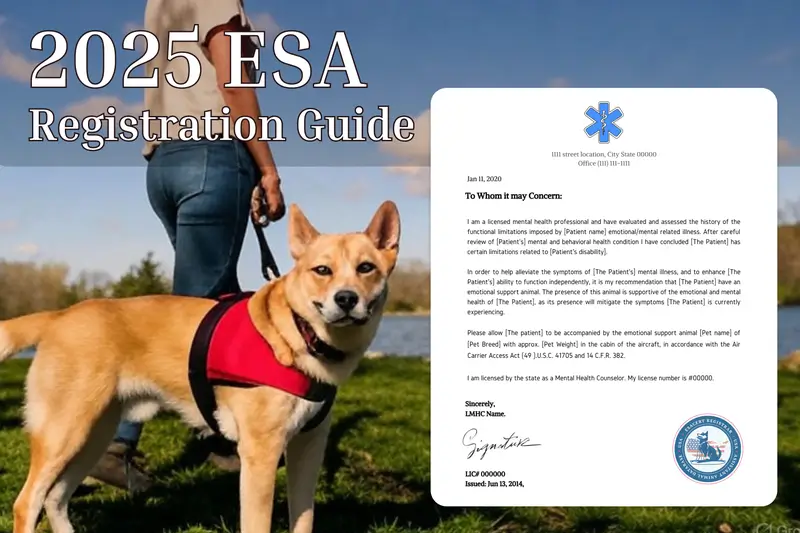
Registering an ESA starts with obtaining a valid ESA letter from a licensed ...
Registering an ESA starts with obtaining a valid ESA letter from a licensed mental health professional for housing accommodations. Adding registration creates an organized digital record and ID tools that simplify communication with landlords.

Clear FHA guidelines for ESAs in rental housing. What landlords can ...
Clear FHA guidelines for ESAs in rental housing. What landlords can request, what they must allow, and how to handle accommodation requests correctly.

ESA training focuses on calm behavior, socialization, and reliable ...
ESA training focuses on calm behavior, socialization, and reliable obedience to ensure the animal fits safely into housing environments. Handlers are responsible for proper care, preventing disturbances, and maintaining documentation for smooth FHA accommodations.

Airlines classify ESAs as pets, so standard pet fees and carrier rules ...
Airlines classify ESAs as pets, so standard pet fees and carrier rules apply, while only trained service animals receive ADA travel access. Preparing documentation, booking early, and knowing each airline’s policy helps avoid delays and denials.

A concise guide to proper Service Animal etiquette in public spaces - ...
A concise guide to proper Service Animal etiquette in public spaces - handler responsibilities, behavior standards, and best practices for smooth, respectful access.

A quick guide to verifying a Service Animal: key requirements, acceptable ...
A quick guide to verifying a Service Animal: key requirements, acceptable documentation, and the steps handlers need to follow for smooth access and compliance.
Price:
Your current registration:
After change, your registration will be:
Your current registration:
will be replaced with:
You have entered the maximum number of characters
You have entered the maximum number of characters
You have entered the maximum number of characters
You have entered the maximum number of characters
You have entered the maximum number of characters
EC-0000001
Mar 2, 2026
-
-
-
-
-
-
You have entered the maximum number of characters
You have entered the maximum number of characters
You have entered the maximum number of characters
You have entered the maximum number of characters
You have entered the maximum number of characters
You have entered the maximum number of characters
You have entered the maximum number of characters
Enter at least 3 characters to search. You have entered: