


















(3)
Spend more to get free priority shipping
Great. You will get complimentary priority shipping for free.
Previous registration has been removed from the cart as only one animal registration is allowed at a one time.
$97
Spend more to get free priority shipping
Great. You will get complimentary priority shipping for free.
Previous registration has been removed from the cart as only one animal registration is allowed at a one time.
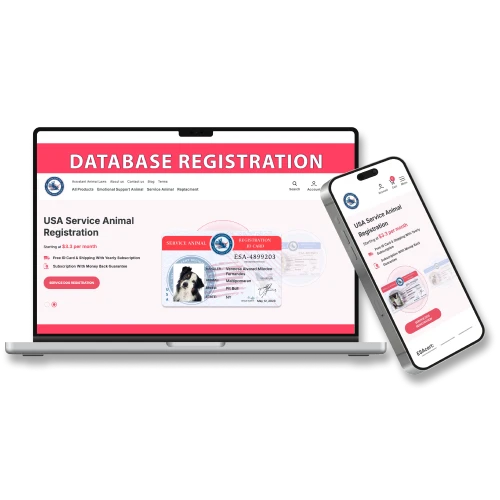
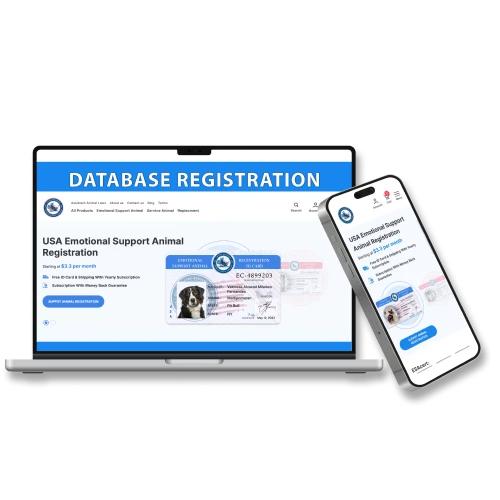
Please note that there is no unified Assistant Animal database registration in the USA.
You cannot verify information from other registrars on the esa-cert.com website

Many renters and landlords feel confused about Michigan Emotional Support Animal Laws. These laws protect tenants with an emotional support animal under the Fair Housing Act. This guide will explain your rights, what documents you need, and how to meet legal requirements easily. Find out what every tenant and landlord in Michigan should know ...


Many renters and landlords feel confused about Michigan Emotional Support Animal Laws. These laws protect tenants with an emotional support animal under the Fair Housing Act. This guide will explain your rights, what documents you need, and how to meet legal requirements easily.
Find out what every tenant and landlord in Michigan should know right now.
After learning the basics in the introduction, you might ask how emotional support animals (ESAs) differ from service animals under Michigan law. Service animals, like guide dogs for people with visual impairment or psychiatric service dogs for PTSD, get special protection from the Americans with Disabilities Act (ADA).
They go through specific training to do tasks that help a person manage their disability. Only dogs and miniature horses can be service animals under ADA rules.
Emotional support animals give comfort and help people cope with anxiety, depression, or phobias. ESAs do not need any special training. The Fair Housing Act (FHA) protects tenants who use ESAs in Michigan homes even if there’s a “no-pets policy.” Public places such as restaurants and stores do not have to allow ESAs inside because they lack public access rights.
Service animals must perform trained tasks while emotional support animals offer relief just by being present.
Michigan law follows federal guidelines on this topic. You can register ESA online in Michigan for public access uses; registration helps with housing needs under mcl § 37.303 and related state acts including Public Act 75 of 2022.
If you want ESA protection at home, make sure your licensed mental health professional gives you an esa letter meeting all requirements set by both FHA and local laws.
Michigan ESA housing laws protect tenants with emotional support animals. Landlords must follow the Fair Housing Act and provide reasonable accommodations for these animals.
Landlords must provide reasonable accommodation for assistance animals like Emotional Support Animals if a tenant has a disability-related need. The Fair Housing Act (FHA) blocks housing providers from charging pet fees or denying an ESA in “no-pet” buildings when tenants give valid documentation from a licensed medical professional, such as a therapist or doctor.
Landlords should review ESA letters to ensure they meet requirements but may not demand details about the person’s disability. Disability rights groups and entities like the Michigan Department of Civil Rights (MDCR) help enforce these rules.
Housing policies must align with FHA guidelines on ESAs and service animals. Discrimination against people with disabilities because of their ESAs is illegal under United States law.
Property owners are responsible for knowing the difference between psychiatric service animals, service animals in training, and emotional support pets under ADA compliance standards.
Entities like Nolo and Pettable offer resources for landlords to stay informed on current laws about assistance animals in Detroit, Grand Rapids, and across Michigan.
After learning about landlord obligations under the Fair Housing Act (FHA), tenants in Michigan must also follow certain laws. These rules help ensure equal housing for people with disabilities who need an emotional support animal (ESA).
Entities: LMHPs such as therapists and doctors; U.S Department of Justice; Michigan.gov regulations; FHA; ADA compliance; SSI and SSDI programs
In Michigan, emotional support animals (ESAs) have some limits. They do not have the same access as service animals in public places and landlords can set specific rules for them.
Emotional Support Animals, or ESAs, do not have public access rights. They cannot enter businesses like restaurants or stores. This is different from service animals, which are allowed in many public places under the Americans with Disabilities Act (ADA).
People need to understand that while ESAs help with emotional support, they do not enjoy the same public privileges as service dogs.
Landlords must allow ESAs in housing situations due to laws like the Fair Housing Act (FHA). However, landlords can still deny entry for these animals in public accommodations. Emotional Support Animals play an important role for tenants but face restrictions outside of their homes.
ESAs are distinct from service animals and lack access rights.
Some landlords in Michigan can qualify for certain housing exemptions related to emotional support animal (ESA) requests. The table below highlights the main exemptions landlords might use.
| Exemption Type | Who Qualifies | Description | Key Points |
|---|---|---|---|
| Owner-occupied buildings with 4 or fewer units | Landlords living in a building with no more than 4 rental units | Small landlords who live on-site do not have to accept ESAs. This is called the “Mrs. Murphy Exemption” under the Fair Housing Act (FHA). | Applies only if landlord occupies one of the units.
Only buildings with 4 or fewer units qualify. |
| Single-family homes rented without a broker | Landlords who own 3 or fewer single-family homes and rent them out without using a real estate agent | Direct rentals by small landlords may be exempt from FHA ESA rules. | Owner must not use a broker or agent.
Owner cannot own more than three such homes. |
| Religious organizations and private clubs | Religious groups and certain private clubs | These groups may restrict rentals to members and are exempt from some FHA rules including ESA requirements. | Exemption applies only to housing provided specifically for members. |
Next, let’s look at ESA letter requirements in Michigan.
To have an emotional support animal in Michigan, you need a valid ESA letter. A licensed mental health professional must write this letter, and it needs to include specific details about your condition and the role of your animal.
A licensed mental health professional can write a valid ESA letter. This includes doctors and therapists. They must have a genuine therapeutic relationship with the tenant. The letter should explain the tenant’s need for an emotional support animal due to a diagnosed mental or emotional disability.
The ESA letter needs to meet state and federal rules to be valid. It is crucial that it clearly states the tenant’s condition and their need for support from an animal. No specific qualifications are outlined beyond being licensed professionals, as per Michigan laws related to ESAs.
A valid ESA letter is key for tenants needing emotional support animals. It must meet certain requirements to be accepted.
Following these points can help tenants secure their rights and ensure their emotional support animals are recognized under Michigan law.
Many questions come up about emotional support animals. Can a landlord refuse an ESA in Michigan? What fees can landlords charge for these pets?
Landlords in Michigan can deny an emotional support animal (ESA) if the tenant cannot prove a qualifying disability. They need proper documentation from a healthcare professional. Without this proof, landlords are not required to allow the ESA.
The Fair Housing Act protects tenants with disabilities and their ESAs. However, if the tenant does not meet requirements, the landlord has the right to refuse. It is vital for tenants to have all necessary documents ready before requesting an ESA.
A landlord cannot charge fees for emotional support animals (ESAs) in Michigan. Tenants with ESAs have protections under the Fair Housing Act (FHA). This means they can live in “no-pet” housing without paying extra charges or pet fees.
It is important for both landlords and tenants to understand these rules. They help ensure that individuals who rely on ESAs are treated fairly in their homes.
Michigan laws support Emotional Support Animals (ESAs) for tenants with disabilities. These laws let people live in places that usually do not allow pets. Landlords must make reasonable accommodations under the Fair Housing Act.
Tenants need a valid ESA letter from a healthcare professional to prove their need. Understanding these rules helps everyone get along better in housing situations.
An ESA letter consultation helps tenants get a legal document showing they have a support animal. Landlords in Michigan may ask for this to follow the Americans with Disability Act, also known as ADA.
The Air Carrier Access Act, called ACAA, covers rights during air travel but not housing. In rental homes, rules come from US Service Animals laws and the ADA instead.
Landlords can request documents that show an animal is needed by a tenant with a disability; however, PSD training is only required if it’s a psychiatric service dog under federal law such as the ADA.
Legal professionals like Lisa Guerin and Susana Bradford provide guidance about these laws. Grant Fiddes and Marvy Beckman also offer helpful advice on related topics at UC Berkeley School of Law.
If you forgot your password or account details when logging in to request an ESA letter consultation, use “forgot password?” or “create new account” options on trusted sites like US Service Animals to regain access quickly.

Can You Have More Than One Emotional Support Animal is a common question ...
Can You Have More Than One Emotional Support Animal is a common question for people with anxiety, PTSD, or depression. Federal law, the Fair Housing Act (FHA) and the U.S. Department of Housing and Urban Development let people ask for reasonable accommodation for emotional support animals (ESAs). This post will show how to get an esa letter from ...

Are you a renter trying to keep emotional support animals but your landlord ...
Are you a renter trying to keep emotional support animals but your landlord says no? Ohio Emotional Support Animal Laws protect tenants with disabilities under the federal Fair Housing Act. This post explains what an ESA letter from licensed mental health professionals must say, the landlord rights and limits on pet fees and breed rules, and how ...

Most Illinois renters are surprised to learn that a landlord's "no pets" ...
Most Illinois renters are surprised to learn that a landlord's "no pets" rule doesn't automatically apply to emotional support animals. That's one of the most commonly misunderstood areas of housing law in the state. The rules are clear, but they come with specific conditions that matter. Knowing those conditions is what separates a renter ...

If you rely on an animal for mental health support, navigating housing and ...
If you rely on an animal for mental health support, navigating housing and public access rules can feel overwhelming. Under Colorado ESA laws and federal regulations, individuals with a valid Emotional Support Animal letter have specific rights that protect them from discrimination. Whether you are facing a strict no-pet policy in your apartment ...

Are you worried your landlord will not allow your pet because of a strict ...
Are you worried your landlord will not allow your pet because of a strict "no-pet" rule in your building? Finding housing can be a stressful experience, especially when you rely on an animal for emotional or mental support. Fortunately, under Pennsylvania and federal laws, the Fair Housing Act gives special rights to people with emotional support ...

Many people struggle with anxiety, depression, or other mental health ...
Many people struggle with anxiety, depression, or other mental health problems. Some folks ask, "Can A Snake Be An Emotional Support Animal" when looking for calm and quiet pets. This blog shows how snakes can help as emotional support animals and explains what steps to follow. Keep reading to learn if a snake could be the right choice for your ...

Can A Landlord Deny An Emotional Support Animal is a question many renters ...
Can A Landlord Deny An Emotional Support Animal is a question many renters face today. The Fair Housing Act protects most tenants with emotional support animals, but there are exceptions. This post will explain when landlords can say no to an ESA and the rules both sides must follow. Keep reading to find out if your situation fits these ...

PTSD or constant worry can make a normal day feel heavy. Clinical studies ...
PTSD or constant worry can make a normal day feel heavy. Clinical studies suggest the right service dog can ease depression and cut down panic attacks. This guide looks at the best service dogs for PTSD and anxiety support, with a close look at Labrador Retrievers, Golden Retrievers, and German Shepherds. If you want a partner that senses a rising ...
Price:
Your current registration:
After change, your registration will be:
Your current registration:
will be replaced with:
You have entered the maximum number of characters
You have entered the maximum number of characters
You have entered the maximum number of characters
You have entered the maximum number of characters
You have entered the maximum number of characters
EC-0000001
Mar 31, 2026
-
-
-
-
-
-
You have entered the maximum number of characters
You have entered the maximum number of characters
You have entered the maximum number of characters
You have entered the maximum number of characters
You have entered the maximum number of characters
You have entered the maximum number of characters
You have entered the maximum number of characters
Enter at least 3 characters to search. You have entered: