

















(3)
Spend more to get free priority shipping
Great. You will get complimentary priority shipping for free.
Previous registration has been removed from the cart as only one animal registration is allowed at a one time.
$97
Spend more to get free priority shipping
Great. You will get complimentary priority shipping for free.
Previous registration has been removed from the cart as only one animal registration is allowed at a one time.
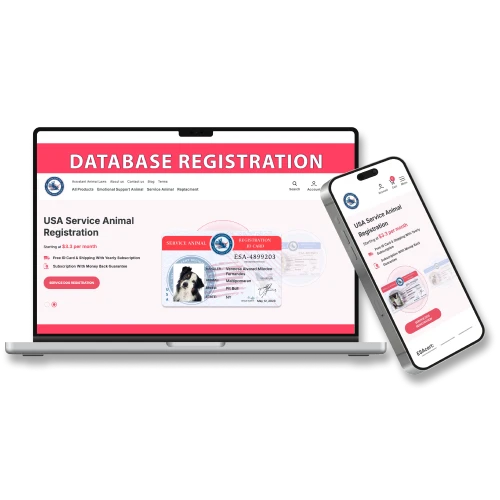
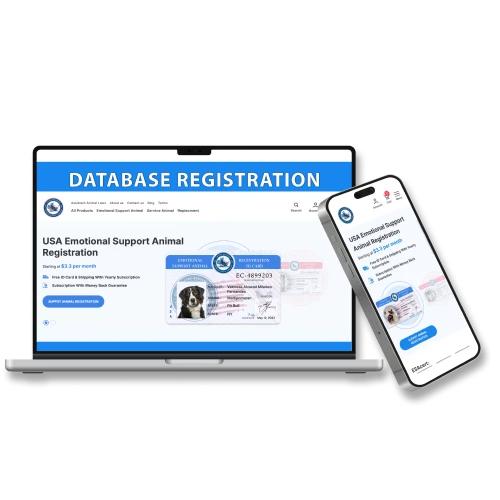
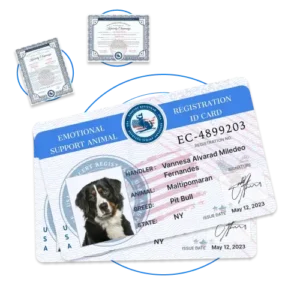
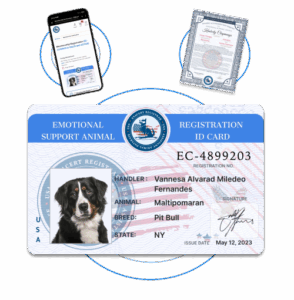
Please note that there is no unified Assistant Animal database registration in the USA.
You cannot verify information from other registrars on the esa-cert.com website

Most Illinois renters are surprised to learn that a landlord's "no pets" rule doesn't automatically apply to emotional support animals. That's one of the most commonly misunderstood areas of housing law in the state. The rules are clear, but they come with specific conditions that matter. Knowing those conditions is what separates a renter ...


Most Illinois renters are surprised to learn that a landlord’s “no pets” rule doesn’t automatically apply to emotional support animals.
That’s one of the most commonly misunderstood areas of housing law in the state. The rules are clear, but they come with specific conditions that matter.
Knowing those conditions is what separates a renter who keeps their ESA from one who loses a housing dispute.
This guide covers Illinois emotional support animal laws in full. You’ll learn your rights as a renter or homeowner, what your landlord can and can’t do, and the exact steps to protect yourself legally.
Illinois has two major laws that protect emotional support animals. The Assistance Animal Integrity Act and the Fair Housing Act work together to give you real, enforceable rights as an ESA owner.
The Illinois Assistance Animal Integrity Act is a critical piece of state law. It targets fraud and misrepresentation around assistance animals. People who falsely claim their pets are service animals or emotional support animals face serious legal penalties.
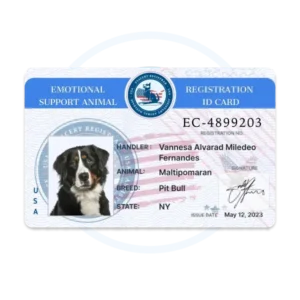
Scam websites commonly sell fake ESA ID cards without any real evaluation. These practices harm people with genuine disabilities who depend on their animals for daily support. The act protects legitimate ESA owners from this kind of fraud.
The law covers several types of misrepresentation, including:
Landlords and property managers get important protections under this law too. According to the text of the Illinois Assistance Animal Integrity Act, section 310 ILCS 120/15 includes a “Landlord Immunity” clause. This clause legally protects property owners from liability if a tenant’s permitted assistance animal injures someone or causes property damage. That’s a key point you can raise if a hesitant landlord is concerned about their legal exposure from approving your ESA.
Tenants must provide genuine documentation to claim housing protections under federal law. The Assistance Animal Integrity Act and the Fair Housing Act work together to stop people from claiming regular pets as assistance animals. Property owners can request proper verification before accepting an ESA in their rental unit.
The Fair Housing Act is federal law that protects you wherever you live in the country. It requires landlords to make reasonable accommodations for people with disabilities, including those who need emotional support animals.
Your disability does not need to be visible to qualify for protection. Housing providers must follow fair housing rules even if they maintain strict “no pets” policies.
Here’s what the Fair Housing Act requires from housing providers:
Discrimination based on your disability violates the Americans with Disabilities Act and fair housing regulations. Landlord-tenant law requires property managers to respect your ESA rights. These protections exist to ensure equal access to housing for every person with a disability.
The Fair Housing Act stands as a shield for those who need emotional support animals to live full, independent lives in their homes.
Your landlord must allow your emotional support animal in housing, even if a “no pets” policy exists. Federal law protects this right under the Fair Housing Act, and Illinois state laws back this protection for both renters and homeowners.
Landlords must provide reasonable accommodations for emotional support animals under both the Fair Housing Act and the Illinois Human Rights Act. These laws require property owners to allow ESAs in housing units, even when “no pets” policies are in place.
Landlords cannot charge pet fees or deposits for emotional support animals. As outlined in recent 2026 legal analyses of Illinois housing laws, landlords are still legally permitted to charge you for any actual repairs if your animal causes damage to the unit or common areas. You’re protected from blanket pet fees, but you remain financially responsible for your animal’s specific behavior.
Here’s what landlords cannot ask or demand from you:
Tenants do not need to register their animals through any official database to receive legal protection. The landlord-tenant law framework in Illinois makes clear that refusing housing to someone with a legitimate ESA violates fair housing rights.
Property managers must also understand the legal difference between emotional support animals and service dogs. Service dogs receive specialized training to perform specific tasks for people with disabilities. Emotional support animals provide comfort through their presence alone, with no task training required.
Landlords who violate these obligations face serious legal consequences under disability rights law. Tenants can file complaints with housing authorities if a landlord denies accommodations or imposes illegal restrictions on their ESA.
Many landlords include strict “no pets” clauses in lease agreements. These policies ban traditional pets like dogs and cats from rental properties. Illinois ESA laws create an important exception to these rules.
Under the Fair Housing Act, landlords must grant reasonable accommodations for emotional support animals. A “no pets” policy simply cannot apply to a legitimate ESA. Your ESA letter serves as proof that you need this animal for a qualifying mental or physical condition.
Landlords cannot simply reject your request based on blanket pet restrictions. According to current Illinois housing guidelines, a landlord can legally deny an ESA accommodation if they conduct an individualized assessment and find reliable evidence that the specific animal poses a direct threat to safety, causes substantial physical damage, or shows a pattern of uncontrolled behavior. In other words, the exemption is strong, but your ESA must be well-behaved to keep it.
Fair housing laws exist to ensure that people with disabilities receive equal access to housing opportunities.
You should provide your ESA documentation to your landlord in writing. Keep copies of everything. Misrepresentation of assistance animals carries serious consequences under the Illinois criminal code.
Fraudulent claims harm people with genuine psychiatric service animals and legitimate support dogs. Your housing rights remain strong as long as you hold valid documentation from a qualified mental health professional. The Fair Housing Act applies equally to renters and homeowners seeking reasonable accommodations.
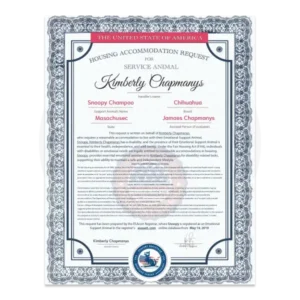
You need a valid ESA letter from a licensed mental health professional to prove your animal qualifies under the Fair Housing Act and Illinois law. This document shows your landlord or housing provider that your emotional support animal serves a real purpose for your condition.
An ESA letter is the official document that proves your emotional support animal has legitimate status under ESA laws in Illinois. A licensed mental health professional must write this letter after evaluating your condition.
The letter states that you have a disability and that your animal provides essential emotional support. Illinois landlord-tenant law requires landlords to accept this documentation as proof.
Without this letter, your landlord can deny your housing request and enforce a “no pets” policy. The Fair Housing Act protects your right to have an ESA in your home, but that protection depends on having the right paperwork.
A strong ESA letter should include:
Illinois law does not require you to register your animal with any government agency. This letter becomes your primary evidence in any housing dispute. Landlords cannot demand additional fees or deposits if you provide a proper ESA letter, and this documentation protects your housing rights throughout lease agreements and landlord reviews.
Faking an emotional support animal status breaks both Illinois law and federal rules under the Americans with Disabilities Act. People who falsely claim their pets are assistance animals face serious consequences.
According to the most recent penalty guidelines under the Illinois Assistance Animal Integrity Act, knowingly providing fraudulent ESA documentation is classified as a Class C misdemeanor. That means up to 30 days in jail and fines of up to $1,500. This isn’t a vague warning. It’s a specific criminal penalty with real consequences.
Landlords can report fake ESA claims to authorities. Courts take these cases seriously because fraudulent claims harm people with genuine disabilities. Someone who misrepresents a pet as an assistance animal damages the credibility of real support animals for everyone.
Watch out for scam websites that sell fake ESA credentials without any real evaluation. A proper ESA letter must come from a qualified mental health provider who has actually assessed your condition. The Assistance Animal Integrity Act protects real service dogs, guide dogs, hearing dogs, and seizure alert dogs from this kind of fraud.
Honest documentation protects both renters and homeowners. It keeps the housing system fair for everyone who genuinely needs an assistance animal.
Knowing the difference between emotional support animals and service animals matters greatly for Illinois renters and homeowners. These two categories serve different purposes under the law, and the distinction directly affects your rights. The table below outlines the key differences.
| Aspect | Emotional Support Animals (ESAs) | Service Animals |
|---|---|---|
| Primary Purpose | Provide comfort through companionship and presence | Perform specific trained tasks for disabilities |
| Training Requirements | No specialized training needed | Extensive task-specific training required |
| Legal Documentation | ESA letter from licensed mental health professional | No legal documentation required under ADA |
| Housing Protections | Protected under Fair Housing Act in rentals | Protected under Fair Housing Act and ADA |
| Public Access Rights | No public access rights in most establishments | Full public access rights allowed |
| Animal Types | Any domesticated animal can qualify | Dogs primarily; miniature horses in rare cases |
| Task Performance | No specific tasks required | Must perform at least one disability-related task |
| Misrepresentation Penalties | Subject to Assistance Animal Integrity Act violations | Subject to ADA fraud penalties and fines |
Service animals undergo months or even years of rigorous training. Your emotional support animal requires only a valid ESA letter from a qualified mental health provider. Service animals perform critical tasks like mobility assistance, seizure detection, or diabetes monitoring. ESAs provide calming companionship for people with mental health conditions, without any task training requirement.
Illinois landlords must accept ESAs under Fair Housing Act guidelines. Service animal handlers enjoy broader protections across public spaces and transportation. Cats, rabbits, and birds commonly serve as emotional support animals. Dogs dominate service animal work across Illinois and the rest of the country.
Misrepresenting an animal as a service dog violates federal law. ESA fraud carries serious legal consequences under both state and federal statutes.
There’s also an important travel distinction that catches many people off guard. Based on the U.S. Department of Transportation’s updated Air Carrier Access Act rules, airlines no longer recognize ESAs as service animals. Only trained Psychiatric Service Dogs (PSDs) can fly in the cabin for free. If you’re traveling with an ESA from or to Illinois, expect standard pet fees and carrier size restrictions at the airport. Federal law distinguishes these categories to prevent widespread abuse, and the updated rules apply both in the air and on the ground.
Now that you understand how emotional support animals differ from service animals, here are the concrete steps to get your ESA recognized under Illinois law. Following this process protects your housing rights under the Fair Housing Act and the Americans with Disabilities Act.
Illinois emotional support animal laws give you real, enforceable rights. They protect your ability to live with your ESA, even when a landlord has a strict “no pets” policy in place.
A valid ESA letter from a licensed mental health professional is your most important tool. Present it correctly, document your communications, and your landlord must follow fair housing guidelines.
Know the difference between emotional support animals and service animals.
Understand what documentation you need and what your landlord can and cannot ask for. Take action today by learning your rights under the Americans with Disabilities Act and Illinois ESA laws so you can live comfortably with your emotional support animal.
The federal Fair Housing Act and the Illinois Human Rights Act protect renters by requiring housing providers to make reasonable accommodations. While the Americans with Disabilities Act (ADA) and the Illinois White Cane Law govern public access for trained service dogs, residential issues fall under landlord – tenant guidelines. You can learn more about specific housing discrimination rules through the landlord – tenant law center or legal platforms like Nolo and Justia.
Under Illinois landlord – tenant regulations, property owners cannot refuse your emotional support animal unless the specific pet poses a direct threat to safety or causes an undue financial burden to the property.
Emotional support animals require no formal training to qualify for housing protections in Illinois. This differs significantly from strict animal / dog law requirements for service animals, such as seizure response dogs, which must undergo specific PSD training. Your animal simply needs to provide comfort that alleviates symptoms of your diagnosed medical condition.
You must obtain a legitimate letter from a licensed mental health professional confirming a condition like post-traumatic stress disorder (PTSD), though many people also search “Get ESA ID Card online!” to find providers like Pettable Academy for supplemental physical tags. If an owner rejects your valid documentation, consulting experts like James L. Arrasmith or Lisa Guerin, J.D., a graduate of UC Berkeley School of Law, can clarify your legal standing.
The Department of Transportation updated the ACAA in 2021, meaning airlines are no longer required to accept emotional support animals for free. You should always verify current airline pet policies directly or speak with aviation legal specialists like Susana Bradford or Grant Fiddes. Reading general online advice does not create an attorney-client relationship, so direct professional consultation is best for resolving travel disputes.

Can You Have More Than One Emotional Support Animal is a common question ...
Can You Have More Than One Emotional Support Animal is a common question for people with anxiety, PTSD, or depression. Federal law, the Fair Housing Act (FHA) and the U.S. Department of Housing and Urban Development let people ask for reasonable accommodation for emotional support animals (ESAs). This post will show how to get an esa letter from ...

Are you a renter trying to keep emotional support animals but your landlord ...
Are you a renter trying to keep emotional support animals but your landlord says no? Ohio Emotional Support Animal Laws protect tenants with disabilities under the federal Fair Housing Act. This post explains what an ESA letter from licensed mental health professionals must say, the landlord rights and limits on pet fees and breed rules, and how ...

If you rely on an animal for mental health support, navigating housing and ...
If you rely on an animal for mental health support, navigating housing and public access rules can feel overwhelming. Under Colorado ESA laws and federal regulations, individuals with a valid Emotional Support Animal letter have specific rights that protect them from discrimination. Whether you are facing a strict no-pet policy in your apartment ...

Many renters and landlords feel confused about Michigan Emotional Support ...
Many renters and landlords feel confused about Michigan Emotional Support Animal Laws. These laws protect tenants with an emotional support animal under the Fair Housing Act. This guide will explain your rights, what documents you need, and how to meet legal requirements easily. Find out what every tenant and landlord in Michigan should know ...

Are you worried your landlord will not allow your pet because of a strict ...
Are you worried your landlord will not allow your pet because of a strict "no-pet" rule in your building? Finding housing can be a stressful experience, especially when you rely on an animal for emotional or mental support. Fortunately, under Pennsylvania and federal laws, the Fair Housing Act gives special rights to people with emotional support ...

Many people struggle with anxiety, depression, or other mental health ...
Many people struggle with anxiety, depression, or other mental health problems. Some folks ask, "Can A Snake Be An Emotional Support Animal" when looking for calm and quiet pets. This blog shows how snakes can help as emotional support animals and explains what steps to follow. Keep reading to learn if a snake could be the right choice for your ...

Can A Landlord Deny An Emotional Support Animal is a question many renters ...
Can A Landlord Deny An Emotional Support Animal is a question many renters face today. The Fair Housing Act protects most tenants with emotional support animals, but there are exceptions. This post will explain when landlords can say no to an ESA and the rules both sides must follow. Keep reading to find out if your situation fits these ...

PTSD or constant worry can make a normal day feel heavy. Clinical studies ...
PTSD or constant worry can make a normal day feel heavy. Clinical studies suggest the right service dog can ease depression and cut down panic attacks. This guide looks at the best service dogs for PTSD and anxiety support, with a close look at Labrador Retrievers, Golden Retrievers, and German Shepherds. If you want a partner that senses a rising ...
Price:
Your current registration:
After change, your registration will be:
Your current registration:
will be replaced with:
You have entered the maximum number of characters
You have entered the maximum number of characters
You have entered the maximum number of characters
You have entered the maximum number of characters
You have entered the maximum number of characters
EC-0000001
Mar 31, 2026
-
-
-
-
-
-
You have entered the maximum number of characters
You have entered the maximum number of characters
You have entered the maximum number of characters
You have entered the maximum number of characters
You have entered the maximum number of characters
You have entered the maximum number of characters
You have entered the maximum number of characters
Enter at least 3 characters to search. You have entered: