


















(3)
Spend more to get free priority shipping
Great. You will get complimentary priority shipping for free.
Previous registration has been removed from the cart as only one animal registration is allowed at a one time.
$97
Spend more to get free priority shipping
Great. You will get complimentary priority shipping for free.
Previous registration has been removed from the cart as only one animal registration is allowed at a one time.
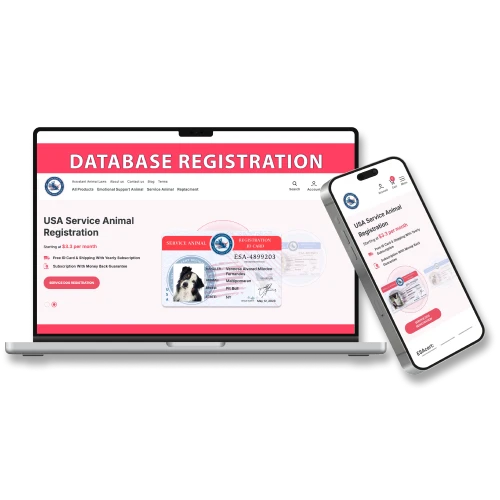
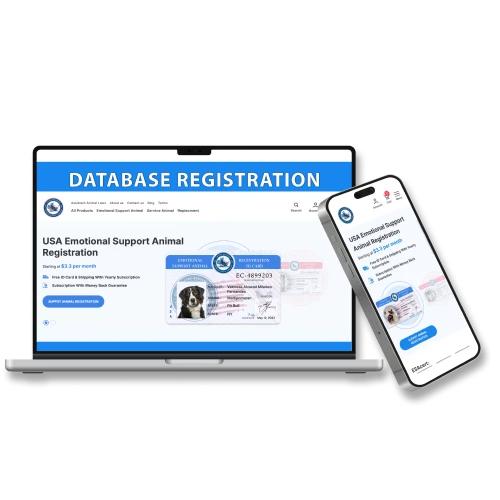
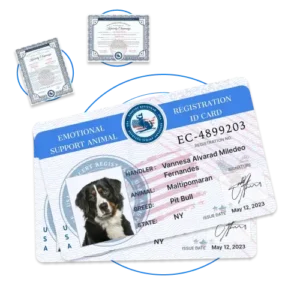
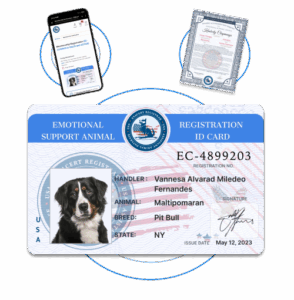
Please note that there is no unified Assistant Animal database registration in the USA.
You cannot verify information from other registrars on the esa-cert.com website

Are you a renter trying to keep emotional support animals but your landlord says no? Ohio Emotional Support Animal Laws protect tenants with disabilities under the federal Fair Housing Act. This post explains what an ESA letter from licensed mental health professionals must say, the landlord rights and limits on pet fees and breed rules, and how ...


Are you a renter trying to keep emotional support animals but your landlord says no? Ohio Emotional Support Animal Laws protect tenants with disabilities under the federal Fair Housing Act.
This post explains what an ESA letter from licensed mental health professionals must say, the landlord rights and limits on pet fees and breed rules, and how ESAs differ from service animals under the Americans with Disabilities Act.
Read on to learn your rights.
Emotional support animals (ESAs) help people with mental and emotional health issues. Service animals (SAs), like guide dogs, assist people with physical disabilities.
Ohio ESA laws treat ESAs as reasonable accommodations under the federal Fair Housing Act, enforced by the U.S. Department of Housing and Urban Development. Residents who have a diagnosed disability may keep an ESA in no-pet rental housing.
Landlords must waive no-pet rules and breed limits as a reasonable accommodation. Ohio landlord/tenant law follows FHA on these protections. They cannot charge pet fees, pet deposits, or monthly pet rent for an ESA.
A valid ESA letter must come from a licensed mental health professional, such as licensees covered by ORC 4757 or the CSWMFT board. Letters of support should reflect an assessment, a diagnosis, and a therapeutic relationship.
An ESA letter documents the need for an assistance animal.
ESAs help with emotional well-being for conditions like anxiety, PTSD, and depression. They do not get the same public access as service dogs under the Americans with Disabilities Act.
The ADA and the Department of Justice set rules for service and assistance animals in public accommodations. Air travel falls under the Air Carrier Access Act, which differs from housing law.
Housing providers can deny an ESA if the animal poses a direct threat or causes property damage. Disability Rights Ohio and the Ohio Civil Rights Commission, OCRC, handle discrimination claims and guidance.
Register your ESA online safely! Next we compare Service Animals, SA, and the rights that apply to them.
Next, service animals serve different legal roles than emotional support animals. The Americans with Disabilities Act (ADA) recognizes trained assistance dogs that perform tasks for people with physical disability or mental health conditions.
U.S. Department of Justice enforces ADA rules and clarifies public access rights for these animals.
Important Facts shows no data for service animals in the provided notes. State rules reference the ADA; Ohio Revised Code and Ohio Administrative Code chapter 4757 affect professional licensing for clinicians who write letters.
Psychiatric service dogs perform tasks for post-traumatic distress disorder and other psychiatric conditions. Hearing dogs alert people with hearing impairments, and guide dogs support people with blindness.
In Ohio, laws protect emotional support animals (ESAs) under the Fair Housing Act. This means landlords must let ESA owners live with their animals, even in places that say “no pets.
The Fair Housing Act (FHA) protects emotional support animals in housing. Tenants with a diagnosed disability can keep a support or assistance animal even if a landlord has a no pet policy.
Landlords must waive pet fees and deposits for ESAs and make reasonable accommodations, such as exceptions to breed and weight limits.
FHA requires reasonable accommodation for assistance animals.
Owners must show a valid ESA letter from a licensed mental health professional to prove disability and need. Housing providers may deny animals that pose a threat or cause property damage.
Documentation supports requests and fits ohio laws and federal disability law. The civil rights division, Bazelon Center for Mental Health Law, ADA Network, and the Franklin County Law Library in Columbus can help with questions about animal assistants.
Scams sell ESA certification, but the state of ohio accepts only a letter from a licensed professional.
Public access and travel rights for emotional support animals (ESAs) differ from those of service animals. In Ohio, ESAs do not have the same public access laws as service animals.
This means that ESAs cannot enter all public places like restaurants, shops, or hospitals. Business owners may choose if they allow them on their premises.
Travel rules vary too. Airlines used to let emotional support animals fly for free, but many have changed their policies. Most now require a valid ESA letter from a licensed professional before allowing these pets onboard.
Understanding these regulations is crucial for ESA owners in Ohio as they plan to travel or visit different locations with their animal companions. Next comes the requirements for ESA owners in Ohio.
To have an Emotional Support Animal in Ohio, owners need a valid ESA letter from a licensed expert. The law also expects that the animal behaves safely around others and does not cause harm.
Emotional Support Animals (ESAs) help people with mental health issues. A valid ESA letter is vital for ownership in Ohio.
These points highlight how important a valid ESA letter is for those needing emotional support animals in Ohio’s legal framework.
Owners of Emotional Support Animals (ESAs) have certain rules to follow. These rules ensure safety for everyone involved.
Following these rules helps owners enjoy their rights while also respecting others’ peace and comfort, paving the way for discussing landlord rules regarding ESAs in Ohio next.
Landlords in Ohio must follow specific rules for emotional support animals. They cannot enforce “no pet” policies or charge extra fees for these animals.
Ohio law allows emotional support animals (ESAs) to live in rental housing even if there are “no pet” policies. This is because ESAs help people with disabilities, offering them comfort and support.
Landlords must waive these policies for tenants who have a valid ESA letter from a licensed mental health professional.
These letters show that the person needs their ESA due to a diagnosed disability. Landlords cannot charge pet fees or deposits for ESAs since they are not seen as regular pets. They also need to make reasonable accommodations, like allowing all breeds and weights of ESAs.
Landlords cannot charge pet fees for emotional support animals (ESAs). Residents with disabilities can keep their ESAs without paying extra. This rule helps people who need support animals live in rental housing, even if there is a no-pet policy.
Tenants must show a valid ESA letter from a licensed mental health professional to avoid these charges. Emotional support animals face no breed restrictions or weight limits regarding fees.
This law protects the rights of those with diagnosed conditions like schizophrenia or autism, ensuring they have access to their essential companions.
Ohio offers clear rights for owners of emotional support animals. The state allows these animals in rental homes, even if there are no-pet rules. Owners must show a valid ESA letter from a licensed professional.
Landlords cannot charge extra fees or impose weight limits on ESAs. These protections help ensure that people can live happily with their support pets.
Ohio protects some access for emotional support animal owners. The rules differ from rights for us service animals. The state follows federal rules like acaa for travel. ohid and courts help define local policy.
Yes, employers can set limits. They must follow laws when a person has learning disabilities or other needs. Psychiatric service animals get stronger legal protection. Ask your employer and the self-advocacy resource center for help.
You may need a letter from a health pro. Training like psd training is not always required for support animals. For psychiatric service animals, more proof may help. Sites such as nolo and pettable academy give clear guides.
Civil rights reporter pieces and lawyers cover new cases. Reporters like susana bradford and grant fiddes write on this topic. Law centers at uc berkeley school of law and michigan state university study rules and offer papers.
Start with nolo guides and the self-advocacy resource center. Look at resources from pettable academy and us service animals. Read work by lisa guerin and other experts for plain advice.

Can You Have More Than One Emotional Support Animal is a common question ...
Can You Have More Than One Emotional Support Animal is a common question for people with anxiety, PTSD, or depression. Federal law, the Fair Housing Act (FHA) and the U.S. Department of Housing and Urban Development let people ask for reasonable accommodation for emotional support animals (ESAs). This post will show how to get an esa letter from ...

Most Illinois renters are surprised to learn that a landlord's "no pets" ...
Most Illinois renters are surprised to learn that a landlord's "no pets" rule doesn't automatically apply to emotional support animals. That's one of the most commonly misunderstood areas of housing law in the state. The rules are clear, but they come with specific conditions that matter. Knowing those conditions is what separates a renter ...

If you rely on an animal for mental health support, navigating housing and ...
If you rely on an animal for mental health support, navigating housing and public access rules can feel overwhelming. Under Colorado ESA laws and federal regulations, individuals with a valid Emotional Support Animal letter have specific rights that protect them from discrimination. Whether you are facing a strict no-pet policy in your apartment ...

Many renters and landlords feel confused about Michigan Emotional Support ...
Many renters and landlords feel confused about Michigan Emotional Support Animal Laws. These laws protect tenants with an emotional support animal under the Fair Housing Act. This guide will explain your rights, what documents you need, and how to meet legal requirements easily. Find out what every tenant and landlord in Michigan should know ...

Are you worried your landlord will not allow your pet because of a strict ...
Are you worried your landlord will not allow your pet because of a strict "no-pet" rule in your building? Finding housing can be a stressful experience, especially when you rely on an animal for emotional or mental support. Fortunately, under Pennsylvania and federal laws, the Fair Housing Act gives special rights to people with emotional support ...

Many people struggle with anxiety, depression, or other mental health ...
Many people struggle with anxiety, depression, or other mental health problems. Some folks ask, "Can A Snake Be An Emotional Support Animal" when looking for calm and quiet pets. This blog shows how snakes can help as emotional support animals and explains what steps to follow. Keep reading to learn if a snake could be the right choice for your ...

Can A Landlord Deny An Emotional Support Animal is a question many renters ...
Can A Landlord Deny An Emotional Support Animal is a question many renters face today. The Fair Housing Act protects most tenants with emotional support animals, but there are exceptions. This post will explain when landlords can say no to an ESA and the rules both sides must follow. Keep reading to find out if your situation fits these ...

PTSD or constant worry can make a normal day feel heavy. Clinical studies ...
PTSD or constant worry can make a normal day feel heavy. Clinical studies suggest the right service dog can ease depression and cut down panic attacks. This guide looks at the best service dogs for PTSD and anxiety support, with a close look at Labrador Retrievers, Golden Retrievers, and German Shepherds. If you want a partner that senses a rising ...
Price:
Your current registration:
After change, your registration will be:
Your current registration:
will be replaced with:
You have entered the maximum number of characters
You have entered the maximum number of characters
You have entered the maximum number of characters
You have entered the maximum number of characters
You have entered the maximum number of characters
EC-0000001
Mar 31, 2026
-
-
-
-
-
-
You have entered the maximum number of characters
You have entered the maximum number of characters
You have entered the maximum number of characters
You have entered the maximum number of characters
You have entered the maximum number of characters
You have entered the maximum number of characters
You have entered the maximum number of characters
Enter at least 3 characters to search. You have entered: