














(3)
Spend more to get free priority shipping
Great. You will get complimentary priority shipping for free.
Previous registration has been removed from the cart as only one animal registration is allowed at a one time.
$97
Spend more to get free priority shipping
Great. You will get complimentary priority shipping for free.
Previous registration has been removed from the cart as only one animal registration is allowed at a one time.
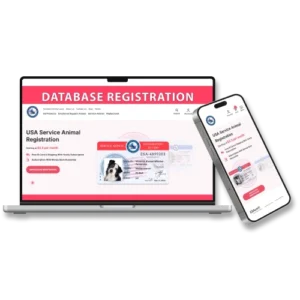
Please note that there is no unified Assistant Animal database registration in the USA.
You cannot verify information from other registrars on the esa-cert.com website

Are you worried your landlord will not allow your pet because of a strict "no-pet" rule in your building? Finding housing can be a stressful experience, especially when you rely on an animal for emotional or mental support. Fortunately, under Pennsylvania and federal laws, the Fair Housing Act gives special rights to people with emotional support ...


Are you worried your landlord will not allow your pet because of a strict “no-pet” rule in your building? Finding housing can be a stressful experience, especially when you rely on an animal for emotional or mental support. Fortunately, under Pennsylvania and federal laws, the Fair Housing Act gives special rights to people with emotional support animals.
This comprehensive guide breaks down exactly what these rules mean for tenants, landlords, and anyone looking for help with housing accommodations or ESA letter requirements. Whether you are navigating student housing, trying to understand pet fee exemptions, or figuring out how to deal with landlords who refuse to cooperate, keep reading to learn how the law can protect you and your support animal in Pennsylvania.
Emotional support animals, commonly referred to as ESAs, give vital comfort and help to people dealing with mental health challenges. These animals are not considered service animals under the Americans with Disabilities Act, but they do have specific legal recognition for their role in supporting mental well-being, particularly in the realm of housing.
To qualify an animal as an emotional support animal, a valid ESA letter from a licensed mental health professional is absolutely required. This document is the only legally recognized way to prove your need for the animal.
Unlike service animals, ESAs do not need special training. Their main job is to ease symptoms of emotional or psychological disorders, such as severe anxiety, depression, post-traumatic stress disorder (PTSD), or bipolar disorder, simply through their presence. Many tenants use ESAs to gain reasonable accommodations in housing settings despite strict pet restrictions.
“An emotional support animal is not a pet; it is a prescribed therapeutic companion. For many individuals battling severe anxiety or depression, the presence of an ESA is the very thing that allows them to function in daily life and maintain their independence.” — Dr. Sarah Jenkins, Clinical Psychologist.
Under Pennsylvania emotional support animal laws and the federal Fair Housing Act, individuals can often keep their ESA at home without paying extra pet fees or deposits, provided they supply the correct documentation from a licensed healthcare provider.
People often confuse emotional support animals with service animals, such as psychiatric service dogs. While both play important roles in the lives of individuals with disabilities, their legal protections, training requirements, and public access rights differ significantly in Pennsylvania. The table below highlights the main differences to help you understand your rights.
| Criteria | Emotional Support Animal (ESA) | Service Animal (e.g., Guide Dog, Psychiatric Service Dog) |
|---|---|---|
| Legal Definition | Helps alleviate symptoms of emotional or mental health conditions through companionship. | Individually trained to perform specific tasks for a person with a physical or mental disability. |
| Federal Protection | Protected primarily under the Fair Housing Act (FHA). | Protected by the Americans with Disabilities Act (ADA) and the FHA. |
| State Law in Pennsylvania | Enforces federal FHA rules; Pennsylvania Assistance and Service Animal Integrity Act prohibits false ESA claims. | Recognized fully under the ADA; includes trained dogs and, in some cases, miniature horses. |
| Training Requirement | No specialized training is legally required. | Must receive specific, task-related training directly tied to the handler’s disability. |
| Documentation Needed | A formal ESA letter from a licensed mental health or healthcare provider is mandatory. | No documentation is legally required, though staff may ask two specific questions about the animal’s tasks. |
| Access to Public Spaces | Limited access. Not legally allowed in most public places (restaurants, stores) outside of housing. | Allowed virtually anywhere the public can go, including restaurants, grocery stores, and hospitals. |
| Housing Rights | Can live in no-pet housing. Landlords cannot charge pet fees, pet rent, or pet deposits. | Has all ESA housing rights, plus broad public access rights. Exempt from all pet fees. |
| Travel Rights | Not covered by the ADA for public transit. Airlines are no longer required to accept ESAs in the cabin for free after 2021 DOT rule changes. | Fully protected under the ADA for public transport and the ACAA for air travel. |
Understanding your rights as a tenant is the most crucial part of having an ESA. Key Pennsylvania ESA laws protect the rights of owners and their emotional support animals, ensuring that housing providers must allow ESAs without imposing financial burdens. Let us explore the specifics of these protections.
Under the Fair Housing Act (FHA), emotional support animals have special rights in Pennsylvania that override standard lease agreements regarding pets. Tenants who possess a valid ESA letter from a licensed mental health provider (LMHP) can legally live in “no-pet” housing. This means you cannot be evicted, denied a lease, or harassed for having your support animal.
The FHA requires housing providers to make a “reasonable accommodation” for the tenant. A reasonable accommodation is a change, exception, or adjustment to a rule, policy, practice, or service that may be necessary for a person with a disability to have an equal opportunity to use and enjoy a dwelling. Landlords can only deny this request if accommodating the animal would impose an undue financial and administrative burden, or fundamentally alter the nature of the housing provider’s operations.
One of the most significant benefits of the FHA is financial. Tenants with a valid ESA letter can live in no-pet housing without paying pet fees. Because the law classifies ESAs as assistance animals rather than pets, landlords are legally prohibited from charging:
This law helps protect those who need their animal for emotional support, ensuring that people living with disabilities can access safe and affordable housing without facing unfair costs related to their medical needs. However, it is important to note that tenants are still financially responsible for any physical damage the animal causes to the property.
While tenants have strong rights, Pennsylvania also protects landlords from fraud. The Pennsylvania Assistance and Service Animal Integrity Act is a critical piece of legislation that addresses the misrepresentation of pets as ESAs. Those who falsely claim their pets as ESAs, or use fake certificates purchased online, may face legal penalties, including fines and potential eviction.
Landlords have the explicit right to ask for documents that prove an ESA is legitimate when the disability is not obvious. Having proper, verifiable documentation from a real medical professional is key to avoiding issues. This distinction is critical for maintaining the integrity of housing rules in Pennsylvania, ensuring that those who truly require support from their ESAs do not face increased skepticism.
Landlords and property managers must navigate these federal and state laws carefully to avoid discrimination lawsuits. They must follow federal laws, especially the Fair Housing Act, while also understanding what they can legally request from a tenant.
“Landlords commit fair housing discrimination if they deny legitimate ESA requests without a valid, legally backed exemption. Property managers must treat an ESA request with the same seriousness as a request for a wheelchair ramp.” — Attorney Marcus Vance, Fair Housing Legal Expert.
Many students dealing with academic pressure and mental health challenges rely on ESAs. Under the Fair Housing Act, students have the right to live with their ESAs in university dormitories and student housing without extra fees. Universities must evaluate ESA requests under the same FHA guidelines as traditional landlords. Students must provide their university’s housing office with an ESA letter from a licensed professional, often well in advance of moving in.
Whether you live in Philadelphia, Pittsburgh, Allentown, Erie, or Reading, the rules remain consistent. The Fair Housing Act is a federal law, and the Pennsylvania Human Relations Act mirrors these protections at the state level. Local city ordinances or neighborhood association rules cannot override your federal right to a reasonable accommodation. If a landlord in any Pennsylvania city denies a valid ESA request, tenants can file a discrimination complaint directly with the U.S. Department of Housing and Urban Development (HUD) or the Pennsylvania Human Relations Commission.
To qualify for an Emotional Support Animal in Pennsylvania, you cannot simply declare your pet to be an ESA. You must obtain a valid ESA letter from a licensed mental health professional. This letter serves as a medical recommendation stating that you have a mental or emotional disability and that the animal helps alleviate one or more symptoms of that disability.
Getting a valid ESA letter is the most important step for those who need an Emotional Support Animal. Here is how to ensure your documentation is legally sound:
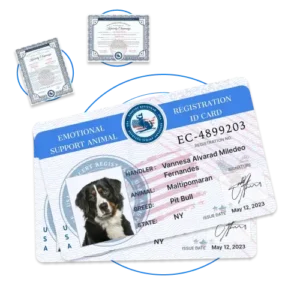
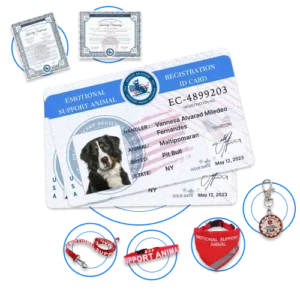
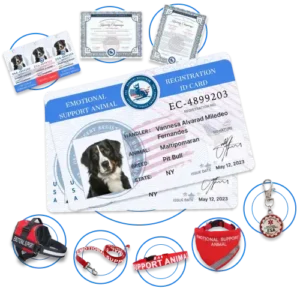
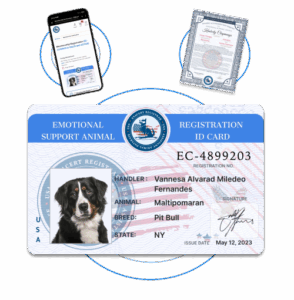
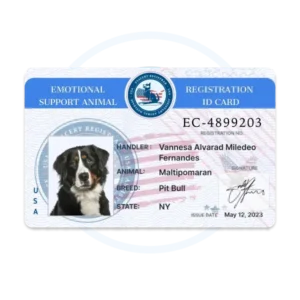
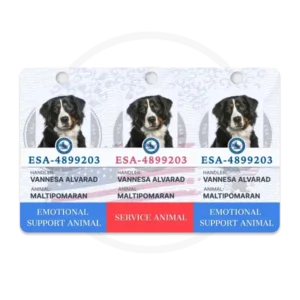
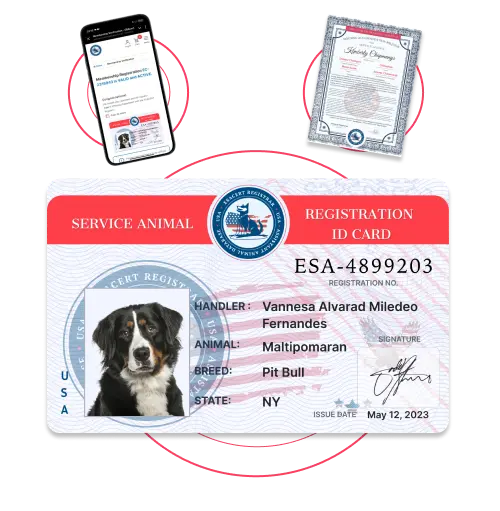
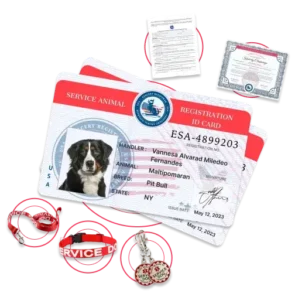
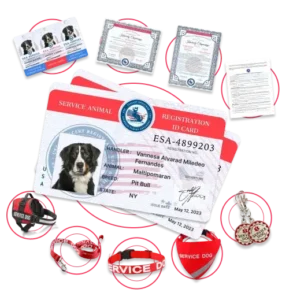
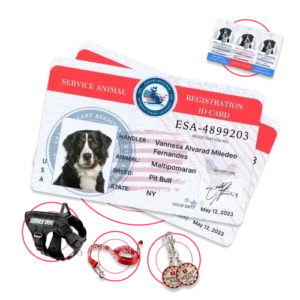
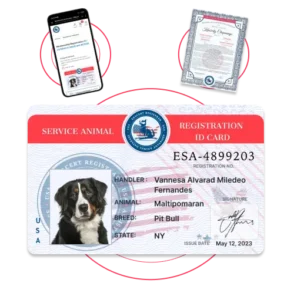
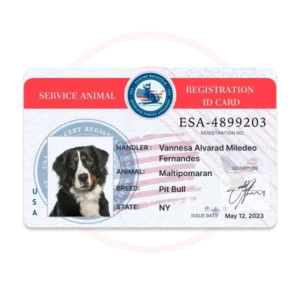
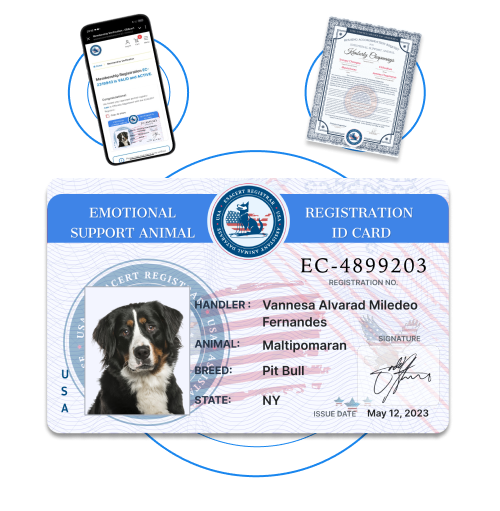
You do not need to register your ESA in Pennsylvania. In fact, no official, government-recognized ESA registry exists in the United States. Many online services claim to offer esa registration, ID cards, and badges that look official, but these are intended solely to enhance animal recognition and are not required.
ESA registration and ESA letters are two very different things. Only an ESA letter from a licensed professional is legally recognized by the Fair Housing Act. Landlords are fully within their rights to reject a purchased “certificate” or “registration number” if it is not accompanied by a letter from a treating healthcare provider. Using a fake online registry not only wastes your money (often costing between $50 and $150) but also puts you at risk of violating the Pennsylvania Assistance and Service Animal Integrity Act for misrepresentation.
While housing protections are incredibly strong for ESAs, the rules change significantly when it comes to the workplace and traveling.
In Pennsylvania, Emotional Support Animals do not have the same rights as service animals in workplaces. The Americans with Disabilities Act (ADA) Title I, which covers employment, requires employers to provide reasonable accommodations for employees with disabilities. However, because ESAs lack specific task training, employers are not strictly required by federal law to allow them into the office.
That being said, you can still request to bring your ESA to work as a reasonable accommodation. You will need to provide your HR department with your valid ESA letter and explain how the animal improves your ability to perform your job duties. Approval is entirely at the employer’s discretion.
For many years, ESAs were allowed to fly in the cabin of airplanes for free. However, travel laws for Emotional Support Animals changed drastically in early 2021. The Department of Transportation updated the Air Carrier Access Act (ACAA), deciding that airlines are no longer required to treat emotional support animals the same as trained service dogs.
Today, almost all major U.S. airlines treat ESAs as standard pets. This means:
Always check the specific pet policy of your chosen airline well in advance of your travel date.
Homeowners and renters insurance companies often have strict rules about animals, frequently excluding certain breeds (like Pit Bulls, Rottweilers, or German Shepherds) from liability coverage. This can pose a challenge for landlords and ESA owners.
However, under HUD guidelines, a landlord cannot simply deny an ESA because of their insurance policy’s breed restrictions. The landlord must ask their insurance company for an exception for the assistance animal. If the insurance company refuses or threatens to cancel the policy, and the landlord cannot find alternative coverage without a massive financial penalty, only then might it be considered an “undue financial burden” allowing them to deny the specific animal.
Navigating ESA laws in Pennsylvania requires a clear understanding of your rights under the Fair Housing Act. By securing a legitimate ESA letter from a licensed mental health professional, tenants can protect themselves from unfair pet fees, breed restrictions, and housing denials. It is equally important for landlords to understand their obligations to provide reasonable accommodations, and for everyone to recognize the severe legal differences between a genuine assistance animal and a fraudulent online registration. Armed with the right documentation, you can ensure that you and your emotional support animal have a safe, secure place to call home.
A landlord cannot arbitrarily deny a valid ESA letter in Pennsylvania. If the letter is written by a licensed mental health professional and confirms a disability-related need, the Fair Housing Act requires the landlord to accept it. A landlord can only deny the request if the specific animal poses a direct safety threat or causes an undue financial burden on the property owner.
No. Landlords cannot charge a pet deposit, non-refundable pet fee, or monthly pet rent for an emotional support animal in Pennsylvania. Under the FHA, an ESA is legally classified as a medical necessity, not a pet, rendering all standard pet fees null and void.
ESAs are not guaranteed access to hotels in Pennsylvania under the ADA, because hotels are considered public accommodations, not permanent housing. However, many hotels are pet-friendly or may make exceptions if you call ahead and explain your situation. Always check with the specific hotel management before arriving.
No. Emotional Support Animals do not have public access rights under the Americans with Disabilities Act. Only fully trained service animals (such as guide dogs or psychiatric service dogs) are legally permitted to enter public spaces like restaurants, grocery stores, and shopping malls.
Misrepresenting a pet as an emotional support animal by using fake documentation or lying to a landlord is illegal under the Pennsylvania Assistance and Service Animal Integrity Act. This is classified as a summary offense and can result in fines, eviction, and the loss of your housing.

Can You Have More Than One Emotional Support Animal is a common question ...
Can You Have More Than One Emotional Support Animal is a common question for people with anxiety, PTSD, or depression. Federal law, the Fair Housing Act (FHA) and the U.S. Department of Housing and Urban Development let people ask for reasonable accommodation for emotional support animals (ESAs). This post will show how to get an esa letter from ...

Are you a renter trying to keep emotional support animals but your landlord ...
Are you a renter trying to keep emotional support animals but your landlord says no? Ohio Emotional Support Animal Laws protect tenants with disabilities under the federal Fair Housing Act. This post explains what an ESA letter from licensed mental health professionals must say, the landlord rights and limits on pet fees and breed rules, and how ...

Most Illinois renters are surprised to learn that a landlord's "no pets" ...
Most Illinois renters are surprised to learn that a landlord's "no pets" rule doesn't automatically apply to emotional support animals. That's one of the most commonly misunderstood areas of housing law in the state. The rules are clear, but they come with specific conditions that matter. Knowing those conditions is what separates a renter ...

If you rely on an animal for mental health support, navigating housing and ...
If you rely on an animal for mental health support, navigating housing and public access rules can feel overwhelming. Under Colorado ESA laws and federal regulations, individuals with a valid Emotional Support Animal letter have specific rights that protect them from discrimination. Whether you are facing a strict no-pet policy in your apartment ...

Many renters and landlords feel confused about Michigan Emotional Support ...
Many renters and landlords feel confused about Michigan Emotional Support Animal Laws. These laws protect tenants with an emotional support animal under the Fair Housing Act. This guide will explain your rights, what documents you need, and how to meet legal requirements easily. Find out what every tenant and landlord in Michigan should know ...

Many people struggle with anxiety, depression, or other mental health ...
Many people struggle with anxiety, depression, or other mental health problems. Some folks ask, "Can A Snake Be An Emotional Support Animal" when looking for calm and quiet pets. This blog shows how snakes can help as emotional support animals and explains what steps to follow. Keep reading to learn if a snake could be the right choice for your ...

Can A Landlord Deny An Emotional Support Animal is a question many renters ...
Can A Landlord Deny An Emotional Support Animal is a question many renters face today. The Fair Housing Act protects most tenants with emotional support animals, but there are exceptions. This post will explain when landlords can say no to an ESA and the rules both sides must follow. Keep reading to find out if your situation fits these ...

PTSD or constant worry can make a normal day feel heavy. Clinical studies ...
PTSD or constant worry can make a normal day feel heavy. Clinical studies suggest the right service dog can ease depression and cut down panic attacks. This guide looks at the best service dogs for PTSD and anxiety support, with a close look at Labrador Retrievers, Golden Retrievers, and German Shepherds. If you want a partner that senses a rising ...
Price:
Your current registration:
After change, your registration will be:
Your current registration:
will be replaced with:
You have entered the maximum number of characters
You have entered the maximum number of characters
You have entered the maximum number of characters
You have entered the maximum number of characters
You have entered the maximum number of characters
EC-0000001
Mar 31, 2026
-
-
-
-
-
-
You have entered the maximum number of characters
You have entered the maximum number of characters
You have entered the maximum number of characters
You have entered the maximum number of characters
You have entered the maximum number of characters
You have entered the maximum number of characters
You have entered the maximum number of characters
Enter at least 3 characters to search. You have entered: