



















(3)
Spend more to get free priority shipping
Great. You will get complimentary priority shipping for free.
Previous registration has been removed from the cart as only one animal registration is allowed at a one time.
$97
Spend more to get free priority shipping
Great. You will get complimentary priority shipping for free.
Previous registration has been removed from the cart as only one animal registration is allowed at a one time.
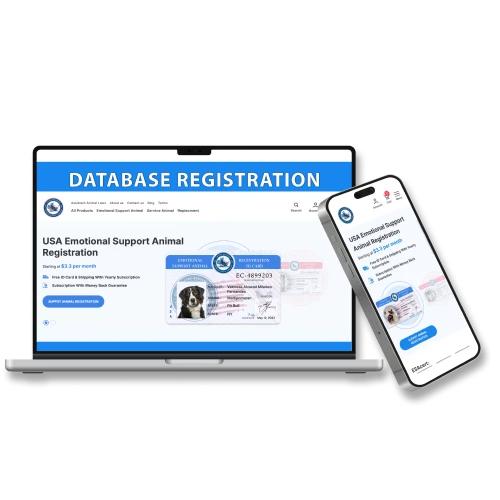
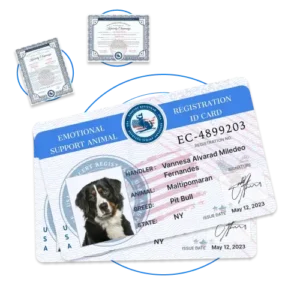
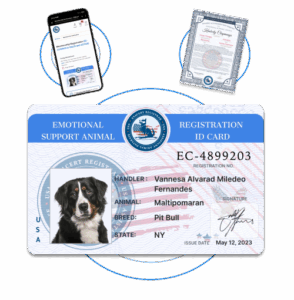
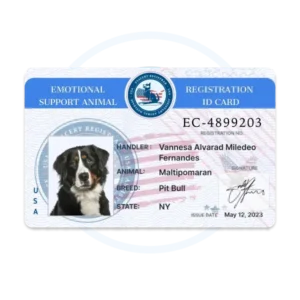
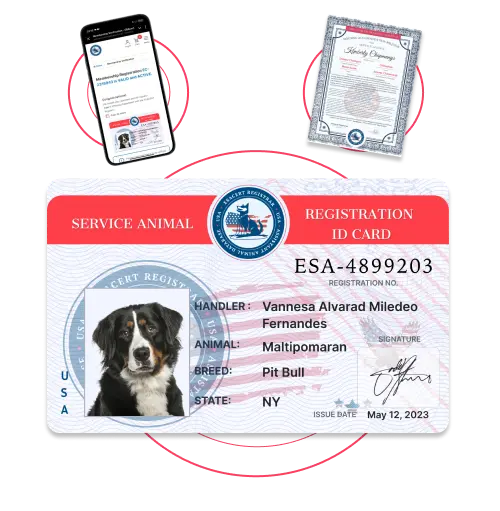
Please note that there is no unified Assistant Animal database registration in the USA.
You cannot verify information from other registrars on the esa-cert.com website

If you rely on an animal for mental health support, navigating housing and public access rules can feel overwhelming. Under Colorado ESA laws and federal regulations, individuals with a valid Emotional Support Animal letter have specific rights that protect them from discrimination. Whether you are facing a strict no-pet policy in your apartment ...


If you rely on an animal for mental health support, navigating housing and public access rules can feel overwhelming. Under Colorado ESA laws and federal regulations, individuals with a valid Emotional Support Animal letter have specific rights that protect them from discrimination. Whether you are facing a strict no-pet policy in your apartment building or wondering about your rights in the workplace, understanding the exact legal framework is essential.
This comprehensive guide breaks down everything you need to know about keeping an emotional support animal in Colorado. We will explore tenant rights under the Fair Housing Act, detail the exact process for obtaining a legitimate ESA letter from a licensed mental health professional, and clarify the legal boundaries landlords must respect.
An Emotional Support Animal is a companion animal that provides therapeutic benefits to an individual suffering from a diagnosed psychiatric or mental health condition. Unlike traditional pets, ESAs are considered part of a medical treatment plan. Conditions that may qualify an individual for an ESA include severe anxiety, chronic depression, post-traumatic stress disorder, bipolar disorder, and specific phobias.
To be legally recognized in Colorado, the animal’s owner must possess an ESA letter written by a licensed mental health professional. This document confirms that the patient has a diagnosed mental health condition and that the animal provides necessary emotional support that alleviates at least one symptom of that disability.
One of the most common points of confusion regarding Colorado ESA laws is the distinction between emotional support animals and service animals. They are governed by entirely different legal frameworks.
| Feature | Emotional Support Animal (ESA) | Service Animal | Traditional Pet |
|---|---|---|---|
| Primary Function | Provides passive emotional comfort and therapeutic support. | Specially trained to perform specific tasks for a disability. | Companionship for individuals without a medical necessity. |
| Legal Protection | Fair Housing Act (Housing) | Americans with Disabilities Act (Public Access & Housing) | None (Subject to all standard rules). |
| Public Access Rights | No legal right to enter non-pet-friendly stores or restaurants. | Allowed in almost all public spaces, including stores and restaurants. | Restricted to pet-friendly establishments only. |
| Housing Rights | Exempt from no-pet policies, pet deposits, and breed restrictions. | Exempt from no-pet policies, pet deposits, and breed restrictions. | Subject to all landlord pet policies, fees, and restrictions. |
| Required Documentation | Valid ESA letter from a licensed mental health professional. | No formal documentation required by law, only verbal confirmation of tasks. | Veterinary records and standard pet lease addendums. |
Housing is the primary area where emotional support animals are granted sweeping legal protections. In Colorado, housing rights for ESAs are dictated primarily by the federal Fair Housing Act, supplemented by the Colorado Anti-Discrimination Act.
The Fair Housing Act requires housing providers to make reasonable accommodations for individuals with disabilities, which includes permitting ESAs in properties that otherwise prohibit pets. When a tenant submits a valid ESA request, a landlord cannot legally deny the animal based on standard pet rules.
The Fair Housing Act is clear: an emotional support animal is not a pet. It is an assistive aid. Landlords who attempt to charge pet rent or enforce arbitrary weight limits on a documented ESA are in direct violation of federal civil rights laws.
Under these housing laws, landlords are strictly prohibited from charging pet applications fees, monthly pet rent, or upfront pet deposits for an emotional support animal. Furthermore, property owners cannot apply breed, size, or weight restrictions to an ESA. A tenant is legally permitted to have a large breed dog as an ESA in a building that usually restricts dogs over twenty pounds, provided the animal does not pose a direct, documented threat to the safety of others.
To exercise your rights under Colorado ESA laws, you must provide proper documentation to your housing provider. Handing a landlord a certificate bought from a random website is not sufficient and can lead to eviction. Legitimate documentation must meet strict criteria.
While the Fair Housing Act covers your living situation, employment laws operate differently. Colorado law does not mandate that employers must allow emotional support animals in the workplace. The Americans with Disabilities Act covers employment, but it strictly defines service animals as trained dogs or miniature horses.
However, under Title I of the Americans with Disabilities Act, employees can request to bring their ESA to work as a reasonable accommodation. The employer is required to engage in an interactive process to determine if allowing the animal would cause an undue hardship on the business. If the ESA helps the employee manage a psychiatric disability and does not disrupt the workplace, an employer may choose to approve the accommodation. This is handled on a case-by-case basis.
Navigating public spaces and transportation requires a thorough understanding of the limitations of Colorado ESA laws.
Emotional support animals do not have public access rights. Grocery stores, restaurants, shopping malls, and hotels are not legally required to permit ESAs. If a business has a “no pets” policy, that policy applies to emotional support animals. Business owners are legally allowed to ask you to remove your ESA from the premises. Attempting to pass an ESA off as a trained service animal to gain access to a restaurant is unethical and a violation of Colorado law.
Historically, the Air Carrier Access Act allowed ESAs to fly in the cabin of commercial aircraft free of charge. However, the Department of Transportation revised these rules. Today, airlines are no longer required to recognize emotional support animals. ESAs are now treated as standard pets by almost all major U.S. airlines. This means you must pay the standard pet cabin fee, and the animal must fit inside an approved carrier under the seat for the duration of the flight.
Obtaining a valid ESA letter requires consulting with a healthcare professional. Colorado has cracked down on fraudulent online ESA certificates, making it critical to follow the legal process.
Patients must understand that online registries selling instant ESA certificates are scams. A landlord has the legal right to reject an ESA request if it is based on a purchased certificate rather than a diagnostic letter from a licensed provider who has actually evaluated the patient.
While tenants have significant protections, landlords also retain specific rights under Colorado ESA laws. A landlord can legally deny an ESA request under specific, narrow circumstances. If the specific animal has a history of unprovoked aggression, property damage, or poses a direct threat to the health and safety of other tenants, the landlord can reject the accommodation. Furthermore, landlords can require the tenant to pay for any physical damage the ESA causes to the rental unit, just as they would bill a tenant for damage caused by human guests.
Colorado ESA laws, backed by the federal Fair Housing Act, provide crucial protections for individuals who rely on their animals for mental and emotional well-being. By securing a legitimate ESA letter from a licensed mental health professional, you can ensure your right to live with your animal companion, free from unfair pet fees, breed discrimination, and restrictive housing policies. Always ensure you follow the proper legal channels, avoid fraudulent online registries, and communicate clearly with your housing provider to maintain a safe and supportive living environment.
No. Under the Fair Housing Act, landlords cannot charge any pet-related fees, including pet deposits, non-refundable pet fees, or monthly pet rent for a legally documented emotional support animal. They are viewed as medical aids, not pets.
No. Landlords cannot enforce breed restrictions or weight limits on emotional support animals. A property with a strict rule against pit bulls or dogs over thirty pounds must waive this rule for a valid ESA, unless that specific dog has demonstrated aggressive behavior.
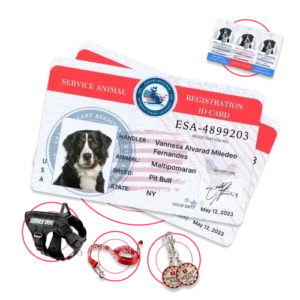
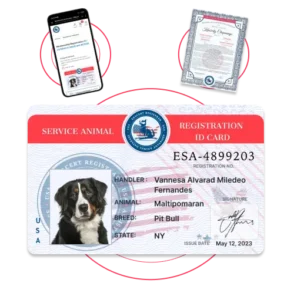
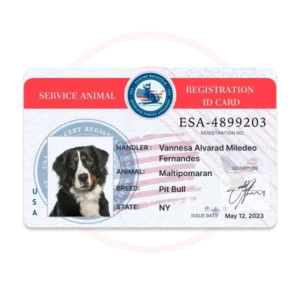
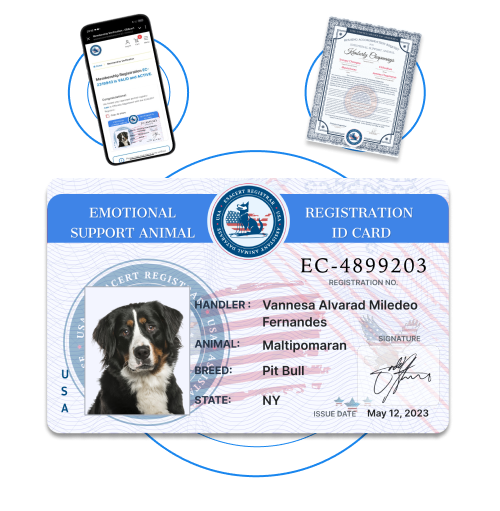
No. There is no official, legally recognized state or federal registry for emotional support animals. Websites that charge a fee to place your animal on a registry or provide a vest and ID card are not legally binding and do not fulfill the requirement of an ESA letter.
Your landlord can contact the professional who wrote your letter strictly to verify the authenticity of the document. However, they cannot ask the mental health professional for details about your specific medical diagnosis or treatment plan, as this violates your medical privacy rights.
Yes, it is possible to have more than one ESA. However, your mental health professional must provide documentation justifying the distinct, separate therapeutic need for each individual animal. A landlord can challenge the request if having multiple animals creates an undue burden on the property.

Can You Have More Than One Emotional Support Animal is a common question ...
Can You Have More Than One Emotional Support Animal is a common question for people with anxiety, PTSD, or depression. Federal law, the Fair Housing Act (FHA) and the U.S. Department of Housing and Urban Development let people ask for reasonable accommodation for emotional support animals (ESAs). This post will show how to get an esa letter from ...

Are you a renter trying to keep emotional support animals but your landlord ...
Are you a renter trying to keep emotional support animals but your landlord says no? Ohio Emotional Support Animal Laws protect tenants with disabilities under the federal Fair Housing Act. This post explains what an ESA letter from licensed mental health professionals must say, the landlord rights and limits on pet fees and breed rules, and how ...

Most Illinois renters are surprised to learn that a landlord's "no pets" ...
Most Illinois renters are surprised to learn that a landlord's "no pets" rule doesn't automatically apply to emotional support animals. That's one of the most commonly misunderstood areas of housing law in the state. The rules are clear, but they come with specific conditions that matter. Knowing those conditions is what separates a renter ...

Many renters and landlords feel confused about Michigan Emotional Support ...
Many renters and landlords feel confused about Michigan Emotional Support Animal Laws. These laws protect tenants with an emotional support animal under the Fair Housing Act. This guide will explain your rights, what documents you need, and how to meet legal requirements easily. Find out what every tenant and landlord in Michigan should know ...

Are you worried your landlord will not allow your pet because of a strict ...
Are you worried your landlord will not allow your pet because of a strict "no-pet" rule in your building? Finding housing can be a stressful experience, especially when you rely on an animal for emotional or mental support. Fortunately, under Pennsylvania and federal laws, the Fair Housing Act gives special rights to people with emotional support ...

Many people struggle with anxiety, depression, or other mental health ...
Many people struggle with anxiety, depression, or other mental health problems. Some folks ask, "Can A Snake Be An Emotional Support Animal" when looking for calm and quiet pets. This blog shows how snakes can help as emotional support animals and explains what steps to follow. Keep reading to learn if a snake could be the right choice for your ...

Can A Landlord Deny An Emotional Support Animal is a question many renters ...
Can A Landlord Deny An Emotional Support Animal is a question many renters face today. The Fair Housing Act protects most tenants with emotional support animals, but there are exceptions. This post will explain when landlords can say no to an ESA and the rules both sides must follow. Keep reading to find out if your situation fits these ...

PTSD or constant worry can make a normal day feel heavy. Clinical studies ...
PTSD or constant worry can make a normal day feel heavy. Clinical studies suggest the right service dog can ease depression and cut down panic attacks. This guide looks at the best service dogs for PTSD and anxiety support, with a close look at Labrador Retrievers, Golden Retrievers, and German Shepherds. If you want a partner that senses a rising ...
Price:
Your current registration:
After change, your registration will be:
Your current registration:
will be replaced with:
You have entered the maximum number of characters
You have entered the maximum number of characters
You have entered the maximum number of characters
You have entered the maximum number of characters
You have entered the maximum number of characters
EC-0000001
Mar 31, 2026
-
-
-
-
-
-
You have entered the maximum number of characters
You have entered the maximum number of characters
You have entered the maximum number of characters
You have entered the maximum number of characters
You have entered the maximum number of characters
You have entered the maximum number of characters
You have entered the maximum number of characters
Enter at least 3 characters to search. You have entered: