

















(3)
Spend more to get free priority shipping
Great. You will get complimentary priority shipping for free.
Previous registration has been removed from the cart as only one animal registration is allowed at a one time.
$97
Spend more to get free priority shipping
Great. You will get complimentary priority shipping for free.
Previous registration has been removed from the cart as only one animal registration is allowed at a one time.
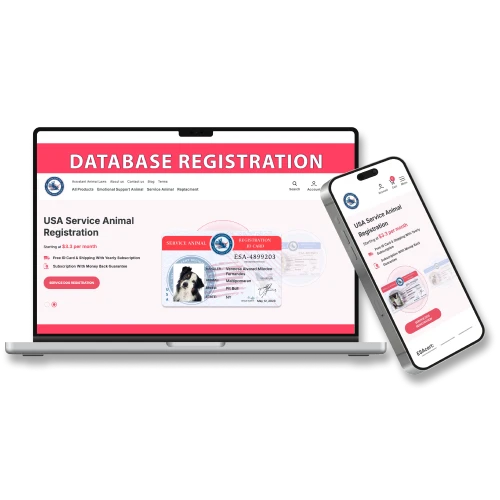
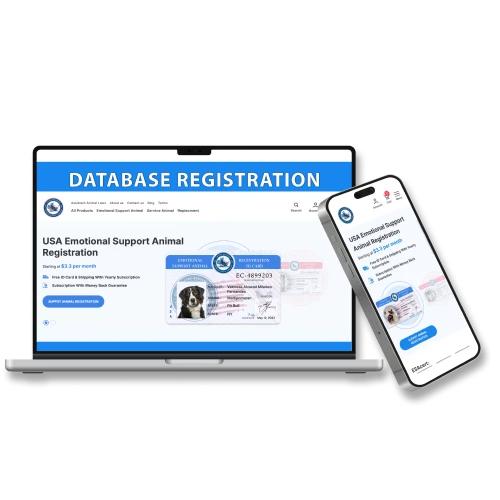
Please note that there is no unified Assistant Animal database registration in the USA.
You cannot verify information from other registrars on the esa-cert.com website

If your landlord is pushing back on your emotional support animal, the law is on your side in Colorado. The Fair Housing Act gives tenants strong housing protections for ESAs, but these rights have real limits that many people don't discover until they need them most. Most guides stick to the basics. What they often miss are the places where ESA ...


If your landlord is pushing back on your emotional support animal, the law is on your side in Colorado. The Fair Housing Act gives tenants strong housing protections for ESAs, but these rights have real limits that many people don’t discover until they need them most.
Most guides stick to the basics. What they often miss are the places where ESA protections end, including a common myth about workplace rights that could put your job at risk.
This guide covers your housing rights, the key differences between ESAs and service animals, what makes an ESA letter legally valid in Colorado, and the one legal correction most online resources get wrong.
Colorado law protects your right to live with an emotional support animal under the Fair Housing Act. Landlords cannot charge extra pet fees or deposits for your ESA.
Your mental health matters, and the state recognizes that your emotional support dog or other ESA plays a real role in managing a mental disability and anxiety.
The Fair Housing Act gives tenants with emotional support animals clear protections. Your landlord cannot refuse to rent to you because of your ESA. This applies even if the building has a strict no-pets policy.
Tenants with mental disability conditions get specific protections under this federal law. Your emotional support animal serves a real role in managing mental health symptoms.
Landlords cannot charge pet fees or deposits for your ESA. Colorado’s anti-discrimination laws work alongside federal housing rules to protect renters.
You must provide documentation from a licensed professional to prove your need for an emotional support animal. A valid emotional support animal letter comes from a qualified mental health provider who has an established relationship with you. That provider-patient relationship must be genuine and documented.
Housing discrimination based on disability status violates federal law, and emotional support animals receive specific protections under the Fair Housing Act.
Landlords who refuse reasonable accommodations for emotional support animals face serious legal consequences. Tenants should also know this protection works both ways. According to a 2026 legal guide by Pettable, intentionally misrepresenting a pet as an ESA to a Colorado landlord is a Class 2 petty offense under state law (HB 16-1426), carrying fines from $45 to $500. Using a fake online registry to deceive your landlord is not just dishonest. It is illegal.
The division of professions and occupations in Colorado enforces professional licensing standards for the mental health providers who write ESA letters. Your landlord cannot ask invasive questions about your mental health condition, but they can verify your documentation with your provider.
Your emotional support animal differs from a service dog in important ways regarding housing rights. Service animals receive different legal treatment under the Americans with Disabilities Act.
Legitimate ESA documentation proves your need for the accommodation. Landlords must respect your privacy while still being allowed to verify that documentation.
Landlords in Colorado cannot charge pet fees or deposits for emotional support animals under the Fair Housing Act. They must treat your ESA differently from a regular pet.
They also cannot require monthly pet rent for your ESA. Based on 2026 Colorado landlord resources from Geraghty Law Office, property managers retain the legal right to charge tenants for actual property damage an ESA causes beyond normal wear and tear. So while upfront fees are off the table, repair bills for real damage are not.
Colorado revised statutes protect people with disabilities from housing discrimination. Charging fees for an ESA violates these protections. A valid ESA letter from a licensed professional counselor proves your need for the animal, and your landlord must accept this documentation without charging additional fees.
Tenants who face illegal fees can file complaints with housing authorities. Denying housing or charging extra because of your emotional support animal constitutes discrimination under the Colorado Anti-Discrimination Act.
ESAs and service animals operate under very different public access rules. Colorado law treats emotional support animals separately from psychiatric service dogs for entering stores, restaurants, and other public spaces.
Understanding the key distinctions between emotional support animals and service animals matters greatly in Colorado. These two categories operate under different legal frameworks and offer different levels of public access rights. The table below breaks down the major differences.
| Characteristic | Emotional Support Animals (ESAs) | Service Animals |
|---|---|---|
| Legal Definition | Animals that provide comfort through companionship and emotional presence | Dogs trained to perform specific tasks for people with disabilities |
| Training Required | No specialized task training needed | Extensive training in specific disability-related tasks |
| Public Access Rights | Limited to housing and some transportation situations | Full access to public spaces under the Americans with Disabilities Act |
| Housing Protection | Protected under Fair Housing Act in Colorado rentals | Protected under Fair Housing Act and ADA guidelines |
| Documentation | Requires letter from licensed mental health professional | No official certification required by law |
| Animal Types | Any domesticated animal can serve as ESA | Primarily dogs; miniature horses in rare cases |
| Airline Travel | Subject to airline pet policies and restrictions | Allowed in cabin at no charge |
| Restaurant Access | Not permitted in dining areas | Permitted in all public dining spaces |
Service animals complete rigorous training programs lasting months or years. Colorado recognizes service dogs as working animals with specific job duties. These duties include guiding people who are blind, alerting to seizures, and detecting low blood sugar in people with diabetes.
Federal law grants service animals broad public access protections. According to a 2026 legal overview by US Service Animals, Colorado Revised Statutes (C.R.S. 24-34-803) explicitly grant broad public access to trained service dogs while deliberately excluding emotional support animals from these same protections. This is not just a federal policy. It is written directly into Colorado state law.
Here is how these differences play out in real life:
Emotional support animals provide psychological comfort without task training. Your cat, rabbit, or dog can qualify as an ESA. Colorado landlords must accept ESAs in rental properties under Fair Housing protections, but that protection stops at the front door of public businesses.
Your mental health professional must write an ESA letter for housing protection. Service animal handlers need no official documentation. Businesses can ask whether an animal qualifies as a service animal under ADA rules, but they are limited to two specific questions.
The Americans with Disabilities Act treats emotional support animals very differently from service animals. Service animals go through specialized training to perform specific tasks for people with disabilities.
ESAs do not require this training. The ADA only recognizes dogs and miniature horses as service animals. Your emotional support animal cannot access public spaces like restaurants, stores, or airplanes under ADA rules.
Many people confuse ESA rights with service animal rights. Your emotional support dog cannot enter a grocery store with you just because you have depression or anxiety. That is one of the most common misunderstandings in this area of law.
The distinction between service animals and emotional support animals matters in law and in practice. – Animal Rights Legal Foundation
Service animals perform tasks like guiding people with visual impairments or alerting them to seizures. ESAs provide comfort through their presence alone. Animal law experts Grant Fiddes and Susana Bradford have emphasized that understanding these limits protects both animal owners and the public.
The Fair Housing Act covers housing situations, but the ADA does not extend ESA access to public places. Legal resources like Nolo offer plain-language guides that can help you research your specific rights further.
Here is a critical correction that most online guides get wrong. Under Colorado law, employers are not legally required to accommodate emotional support animals in the workplace.
As noted in 2026 workplace guidance from CertaPet, neither the Colorado Anti-Discrimination Act (CADA) nor the ADA grants ESAs legal protections at work. Employers have no legal obligation to allow an ESA on their premises unless they voluntarily maintain a pet-friendly policy.
This is very different from housing. The Fair Housing Act protects your right to live with your ESA. Workplace protections for ESAs simply do not exist in the same way under current Colorado law.
Even though ESAs have no legal workplace protections, you still have options if your ESA helps you manage a mental health condition at work.
Your underlying disability may qualify you for accommodations under the ADA or CADA. Those accommodations address your medical needs, not your specific animal. An employer might approve flexible scheduling or a quieter workspace. They are not required to allow the ESA itself.
Here is what you can realistically do if you want to bring your ESA to work:
Your employer must keep any mental health information you share confidential. That protection applies regardless of whether your ESA request is approved.
If your employer does approve your ESA, it is a voluntary accommodation, not a legal right. Keep that distinction in mind as you have the conversation.
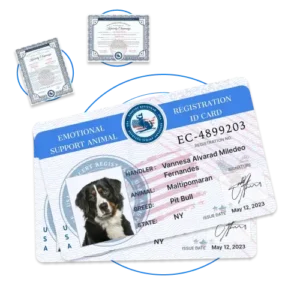
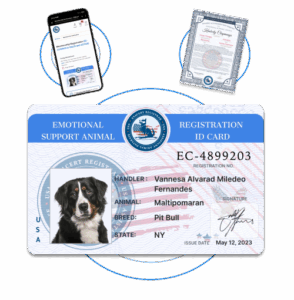
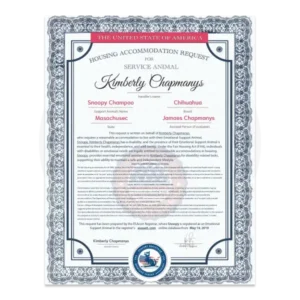
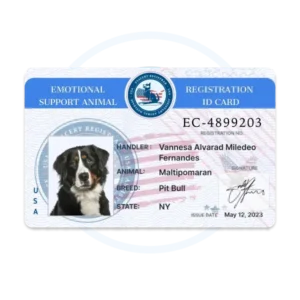
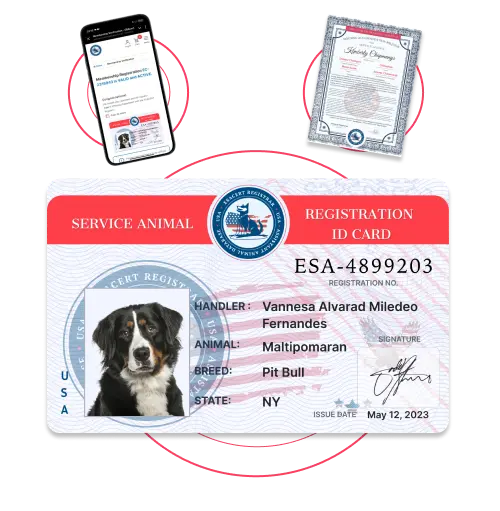
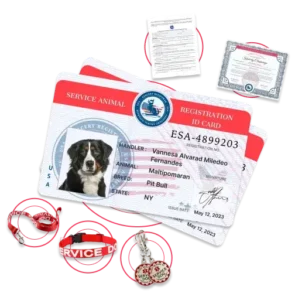
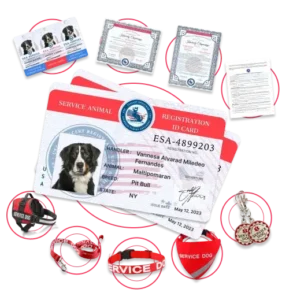
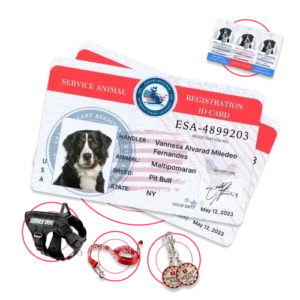
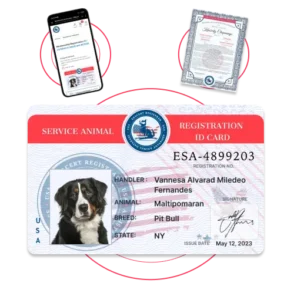
You need a licensed mental health professional to write your ESA letter in Colorado. You can apply for ESA and receive your ID card online, so that these cards become more widely accepted by the public. Only a proper letter from a licensed healthcare professional counts.
A licensed mental health professional must write your ESA letter. Colorado law requires specific information in this document to make it valid.
There are also things a valid letter must not do:
According to 2026 provider guidelines from Lee & Me Psychiatry, a legally recognized ESA letter in Colorado must be issued on official letterhead and include the provider’s active Colorado license number and signature. Online ESA ID cards and registration databases hold zero legal weight in Colorado. Landlords and courts only trust letters from licensed providers they can contact directly.
You need a real ESA letter from a qualified mental health provider to have your emotional support animal recognized in Colorado. Licensed therapists, counselors, psychiatrists, and psychologists can evaluate your condition and write this letter.
Your mental health professional must have an existing relationship with you and understand your specific needs. They verify that you have a qualifying disability and that your ESA provides genuine emotional support.
When choosing a provider, look for someone who meets these basic standards:
Your provider must document how your emotional support animal helps you manage your condition. They explain the connection between your diagnosis and your need for the animal’s presence.
The letter should state that your ESA reduces symptoms or helps you function better in daily life. Colorado law requires this documentation to be recent, typically written within the last year.
Consulting your doctor, therapist, or psychiatrist costs money upfront. But it protects you from disputes with landlords who question your ESA’s validity. Staying current with colorado professional counselor news and state licensing board updates can also help you find qualified providers in your area.
Colorado’s emotional support animal laws give you strong protections at home. Getting a valid ESA letter from a licensed mental health professional is the most important step you can take.
Know the difference between emotional support animals and service dogs. That distinction shapes where your animal can go and what rights you can actually enforce.
The Fair Housing Act and Colorado courts work together to protect your housing. Those protections do not automatically extend to your workplace. Start by consulting a qualified professional who can guide you through the process.
Under the federal Fair Housing Act, people with mental or emotional disabilities have the right to keep an emotional support animal in their home. Colorado landlords must provide reasonable accommodations, even in no-pet housing. They can only deny a request if the animal poses a direct threat or would cause undue financial burden.
A landlord can deny an emotional support animal only if it poses a direct threat to safety or would cause substantial property damage. The denial must be based on the animal’s actual behavior, not breed assumptions or general fears.
No, Colorado law does not require emotional support animals to have any formal training.
Renters can visit Nolo for comprehensive, up-to-date guides on Colorado emotional support animal laws and housing rights.

Your landlord just denied your emotional support animal request. That's a ...
Your landlord just denied your emotional support animal request. That's a frustrating situation, and you deserve a clear picture of where you stand legally. The critical distinction most people miss is this: your ESA is not classified as a pet under federal law. The Fair Housing Act treats your emotional support animal as a reasonable ...

Can You Have More Than One Emotional Support Animal is a common question ...
Can You Have More Than One Emotional Support Animal is a common question for people with anxiety, PTSD, or depression. Federal law, the Fair Housing Act (FHA) and the U.S. Department of Housing and Urban Development let people ask for reasonable accommodation for emotional support animals (ESAs). This post will show how to get an esa letter from ...

Are you a renter trying to keep emotional support animals but your landlord ...
Are you a renter trying to keep emotional support animals but your landlord says no? Ohio Emotional Support Animal Laws protect tenants with disabilities under the federal Fair Housing Act. This post explains what an ESA letter from licensed mental health professionals must say, the landlord rights and limits on pet fees and breed rules, and how ...

Most Illinois renters are surprised to learn that a landlord's "no pets" ...
Most Illinois renters are surprised to learn that a landlord's "no pets" rule doesn't automatically apply to emotional support animals. That's one of the most commonly misunderstood areas of housing law in the state. The rules are clear, but they come with specific conditions that matter. Knowing those conditions is what separates a renter ...

If you rely on an animal for mental health support, navigating housing and ...
If you rely on an animal for mental health support, navigating housing and public access rules can feel overwhelming. Under Colorado ESA laws and federal regulations, individuals with a valid Emotional Support Animal letter have specific rights that protect them from discrimination. Whether you are facing a strict no-pet policy in your apartment ...

Many renters and landlords feel confused about Michigan Emotional Support ...
Many renters and landlords feel confused about Michigan Emotional Support Animal Laws. These laws protect tenants with an emotional support animal under the Fair Housing Act. This guide will explain your rights, what documents you need, and how to meet legal requirements easily. Find out what every tenant and landlord in Michigan should know ...

Are you worried your landlord will not allow your pet because of a strict ...
Are you worried your landlord will not allow your pet because of a strict "no-pet" rule in your building? Finding housing can be a stressful experience, especially when you rely on an animal for emotional or mental support. Fortunately, under Pennsylvania and federal laws, the Fair Housing Act gives special rights to people with emotional support ...

Many people struggle with anxiety, depression, or other mental health ...
Many people struggle with anxiety, depression, or other mental health problems. Some folks ask, "Can A Snake Be An Emotional Support Animal" when looking for calm and quiet pets. This blog shows how snakes can help as emotional support animals and explains what steps to follow. Keep reading to learn if a snake could be the right choice for your ...
Price:
Your current registration:
After change, your registration will be:
Your current registration:
will be replaced with:
You have entered the maximum number of characters
You have entered the maximum number of characters
You have entered the maximum number of characters
You have entered the maximum number of characters
You have entered the maximum number of characters
EC-0000001
Apr 9, 2026
-
-
-
-
-
-
You have entered the maximum number of characters
You have entered the maximum number of characters
You have entered the maximum number of characters
You have entered the maximum number of characters
You have entered the maximum number of characters
You have entered the maximum number of characters
You have entered the maximum number of characters
Enter at least 3 characters to search. You have entered: